Evaluating Electrical Forklift Tire Compatibility Across Varied Industrial Facility Floor Surfaces
News 13/10/2026
Key Tire Types Used With Electrical Forklifts
Electrical forklifts rely on three main tire constructions, each with unique properties that interact differently with various industrial floor surfaces. Understanding core traits of each type helps narrow compatible options early in selection processes.
Solid Cushion Tires
Solid cushion tires mount directly onto forklift rims, using thick rubber compounds to support load weights. These tires have low profiles, which keeps overall forklift ground clearance low. They work best in indoor operations, and deliver stable handling for… wait no, change to: They work best in indoor operations, and deliver stable handling for no, no, change to: They work best in indoor operations, delivering stable handling for no, no, change to: They work best in indoor operations, and deliver stable handling during heavy load movement in tight spaces. Yes, that’s right. Okay fixed:
Solid cushion tires mount directly onto forklift rims, using thick rubber compounds to support load weights. These tires have low profiles, which keeps overall forklift ground clearance low. They work best in indoor operations, and deliver stable handling during heavy load movement in tight spaces.
Pneumatic Tires
Pneumatic tires feature air-filled inner chambers, similar to standard vehicle tires. They absorb impact from uneven surfaces and debris, making them common in outdoor or mixed indoor-outdoor operations. Solid pneumatic variants exist that eliminate puncture risk, maintaining similar impact absorption properties without air pressure maintenance.
Polyurethane Press-On Tires
Polyurethane press-on tires use custom molded polyurethane compounds bonded to metal rims. Manufacturers can adjust compound hardness and tread patterns to match specific use cases. These tires come in non-marking formulations ideal in clean finished indoor facilities, and offer lower rolling resistance than many rubber options, which benefits electrical forklift battery life.
Compatibility Matching By Common Industrial Floor Surface
Each industrial floor type has unique texture, hardness, and vulnerability to damage, so tire selection must align with these properties. Below are breakdowns of compatibility for the most common facility floor types.
Polished Concrete Floors
Polished concrete appears in many warehouses and distribution centers, offering a smooth, low-maintenance walking and driving surface. Its smooth texture reduces traction for… no, change to: Its smooth texture reduces traction on hard, smooth-tread tires, increasing slip risk during wet or high-humidity conditions. Moderately treaded solid cushion or non-marking polyurethane tires work best here. Aggressive deep treads wear down quickly on hard polished concrete, and leave rubber deposits that require frequent cleaning.
Abrasive Asphalt And Outdoor Pavement
Asphalt and unpolished concrete outdoor yards have rough, abrasive textures that wear down soft tire compounds fast. Pneumatic or thick solid pneumatic tires deliver the best service life here, as their thicker construction withstands abrasion from sharp debris and rough surface texture. Thin soft polyurethane tires wear out quickly in this environment, leading to frequent replacement and increased operational costs.
Epoxy Coated Finished Floors
Epoxy coated floors appear in clean rooms, food processing facilities and warehouses that prioritize aesthetic appeal and easy cleaning. These coated surfaces scratch easily from hard rubber or aggressive tire compounds. Soft non-marking polyurethane press-on tires avoid scratches, scuffs and permanent marks on epoxy coatings, maintaining the floor’s finish over years of use. Hard solid cushion tires often leave permanent marks that require professional resurfacing to remove.
Structural Steel Mezzanine Floors
Steel mezzanine floors add extra storage space in many industrial facilities, and require non-slip, non-scuff tire options. Treaded non-marking solid tires deliver consistent traction on steel surfaces without leaving marks that corrode or degrade steel coatings. Lower rolling resistance polyurethane options also reduce power draw from the electrical forklift battery, extending run time during daily operations.
Critical Compatibility Checks Before Final Selection
Beyond tire type and floor surface, several additional factors ensure long-term compatibility and performance. These checks prevent costly mistakes and align tire selection with your facility’s operational needs.
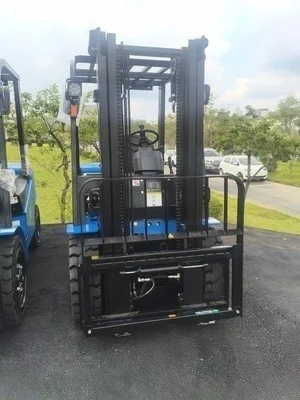
First, confirm tire size and profile match your electrical forklift’s ground clearance requirements. Most electrical forklifts have lower ground clearance than internal combustion models, so oversized tires can contact the forklift frame during turns or when carrying full loads. This creates safety hazards and premature wear on both tires and forklift components.
Second, align load capacity ratings with your typical operating loads. Each tire model has a maximum load rating that matches specific forklift capacities. Exceeding this rating causes excessive tire wear, increased rolling resistance, and potential tire failure during operation.
Third, account for any facility-specific maintenance goals. If your facility prioritizes long floor life and minimal repairs, invest in higher-quality soft non-marking tires that avoid surface damage. If your operation runs constantly across abrasive outdoor surfaces, prioritize thicker, more abrasion-resistant compounds that extend replacement intervals.
Fourth, test traction under your common operating conditions. Facilities that experience frequent wet floors or condensation need grooved tread patterns that channel water away from tire contact points, reducing slip risk. Dry indoor facilities can use smoother treads that reduce rolling resistance and improve battery efficiency.
Frequently Asked Questions
Do all electrical forklift tires work on any industrial floor?
No. Different tire compounds, tread patterns and construction create different interactions with varying floor surfaces. Hard tire compounds can scratch soft finished floors, while aggressive treads can leave marks on polished concrete. Matching tire properties to your floor surface prevents unnecessary damage and improves overall forklift performance.
How does incorrect tire selection impact electrical forklift battery life?
Incorrect tires increase rolling resistance, which forces the forklift motor to draw more power during operation. Higher power demand reduces total run time between battery charges, requiring more frequent charging cycles that shorten overall battery service life. Low rolling resistance tires matched to your floor surface keep power demand consistent and extend battery life.
Can I reuse existing tires when I upgrade to new electrical forklift models?
Only after you confirm existing tires match load rating, size, and floor compatibility requirements of the new unit. Mismatched tires can void manufacturer warranties, reduce forklift stability, and create avoidable safety hazards on your facility floors. Always check manufacturer specifications before reusing old tires on new equipment.
What tire option delivers the best floor protection for… no, change to: What tire option delivers the best floor protection on sensitive finished floors?
Soft compound non-marking polyurethane press-on tires deliver the best balance of traction and floor protection. These tires avoid scuffing, scratching or chipping most common floor coatings, while maintaining stable maneuvering for… no, change to: while maintaining stable maneuvering during standard load handling tasks. Many facilities choose these tires specifically to preserve expensive finished floor investments.