How Operator Proficiency Affects Electrical Forklift Safety and Long-Term Operational Efficiency in Industrial Warehousing
News 12/10/2026
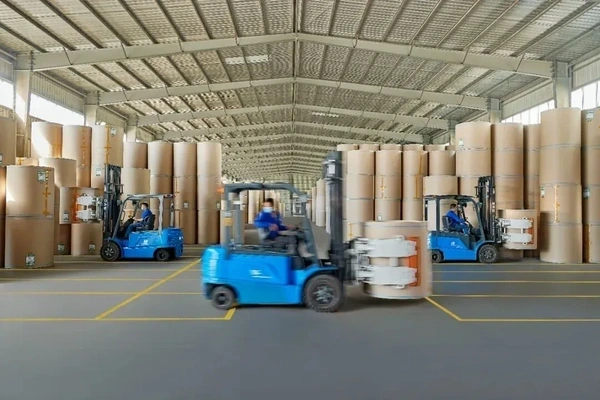
Industrial warehousing operations rely on electrical forklifts as core tools supporting daily material handling. Many facility leaders prioritize equipment maintenance and purchase high-quality units, but overlook the direct impact operator proficiency has on both safety and long-term operational efficiency. Skill gaps among operators create hidden costs and avoidable risks that add up over months and years of operation.
In recent years, rising order volumes and faster turnaround expectations across industrial storage facilities have pushed electrical forklift utilization rates higher than ever before. Most operations run multiple shifts daily, meaning every forklift spends far more time in active use than it did in earlier decades. This higher utilization makes any small, recurring inefficiency or hidden risk grow into a much larger impact over time, rather than staying a minor, occasional issue.
Core Safety Risks Linked to Low Operator Proficiency
Common Avoidable Safety Incidents
Low-proficiency operators regularly make preventable errors that put workers, equipment, and stored inventory at risk. Common errors include excessive speed through storage aisles, incorrect load positioning before lifting, and failure to check clearances before raising or lowering forks. These errors often lead to collisions with racking, building structures, other equipment, or nearby personnel.
Electrical forklifts typically have lower center of gravity than many internal combustion models, but incorrect operation still increases risk of tip-over incidents. Tip-overs lead to severe injuries, total equipment loss, and widespread damage to surrounding stored goods. Most warehousing operations confirm a large share of forklift-related incidents trace back to skill gaps, not unforeseen equipment failure.
Many operations track incident root causes after any workplace event, and consistent data collection across facilities repeatedly shows unskilled operation accounts for a large majority of all forklift-related adverse events, with exact shares varying by facility size and workflow. Skill gaps do not just put the operator behind the controls at risk; they put every team member working in or near storage aisles in unnecessary danger. Even minor incidents that cause no injury can force full work stoppages while teams conduct safety investigations and clear away damaged goods or debris, cutting daily output by hours beyond the initial event.
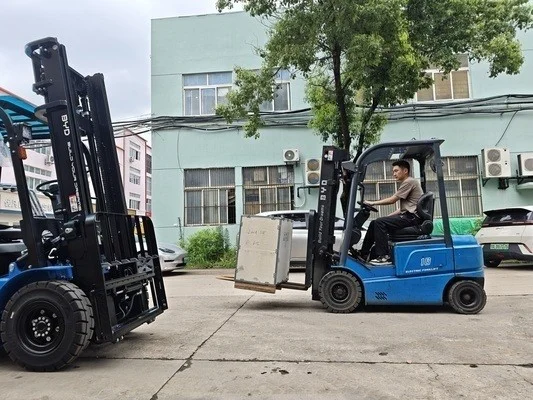
Another key risk involves improper operation around pedestrian traffic areas. Unskilled operators often misjudge stopping distances or fail to use audible alerts properly, increasing risk of pedestrian collisions in high-traffic warehouse zones.
Impact on Long-Term Operational Efficiency of Electrical Forklifts
Accelerated Battery Health Degradation
Electrical forklifts depend on high-capacity battery packs to deliver consistent power. Low-proficiency operators often develop bad habits around battery management: they leave batteries partially discharged between shifts, overcharge units repeatedly, or fail to maintain proper water levels in lead-acid batteries. These habits speed up permanent capacity loss, cutting overall battery service life significantly.
Replacing an electrical forklift battery represents a major capital expense. Avoiding unnecessary degradation directly reduces annual operating costs and extends usable service life of the entire forklift unit.
Excess Component Wear and Unplanned Downtime
Hard braking, abrupt acceleration, and improper load handling create extra stress on tires, brake pads, lifting motors, and hydraulic systems. High-proficiency operators use smooth, controlled inputs that reduce this stress, extending component replacement cycles and cutting routine maintenance costs.
Unplanned downtime from premature component failure directly reduces warehouse throughput, especially during peak shipping periods. Even one full day of downtime affecting a single electrical forklift can disrupt work flows across multiple storage zones, delaying order fulfillment and reducing overall facility output.
Actionable recommendations supporting warehousing teams include mandatory initial certification, regular skill assessments to identify gaps, and refresher training after layout changes or equipment updates. Pairing new operators with experienced, high-proficiency staff also builds solid on-the-job skills. One key limitation: even highly skilled operators cannot offset poor maintenance or outdated equipment. Proficiency improvements complement regular maintenance schedules, they do not replace them.
Frequently Asked Questions
Do only immediate safety outcomes tie to operator proficiency?
No. Operator proficiency impacts both immediate safety and long-term operational efficiency. Low skill increases incident risk today, and also drives higher long-term costs through faster component wear and shorter battery service life. These ongoing costs add up over the full service life of any electrical forklift.
Are electrical forklifts more sensitive to operator skill than other forklift types?
Yes. Electrical forklifts rely on properly maintained battery packs to deliver consistent performance. Incorrect charging and load handling directly impacts battery capacity and service life, which creates larger long-term cost increases than similar errors with internal combustion forklifts. Control systems on modern electrical forklifts also require familiarity with specific settings, which develops only through proper training and consistent practice.
How often should teams assess operator proficiency?
Most industry guidelines recommend annual skill assessments, plus additional assessments after any safety incident, warehouse layout change, or introduction of new electrical forklift models. This schedule catches skill drift that develops over time when operators gradually adopt bad habits.