Beyond The Data Plate: Derating Warehouse Electric Forklift Capacity Across Load Center And Lift Height Combinations
News 22/10/2026
Data plate ratings printed on every four-wheel counterbalance electric forklift provide base capacity figures, but these values come from standardized test conditions that rarely align with real-world warehouse work settings. Warehouse electric forklift capacity derating adjusts these base ratings to match actual operating conditions, accounting for unique load sizes, varying lift heights and occasional attachment use. Actual safe capacity almost always falls below the printed number on the data plate. Understanding capacity derating helps warehouse teams avoid overloading, extend equipment service life and maintain safe working environments.
As modern warehouses continue increasing storage density to maximize facility space, most operations now use higher racking systems and handle a wider range of load sizes than operations from past decades. This shift makes accurate capacity calculation even more critical, as miscalculations carry higher risks of safety incidents and unexpected equipment damage. Even experienced operations teams often overlook the impact small parameter changes have on safe capacity, leading to unrecognized overloading during daily work.
How Standard Data Plate Ratings Are Established
Manufacturers generate data plate ratings under controlled test conditions. Standard testing uses an evenly distributed load placed at a defined load center distance, typically 24 inches or 600 millimeters, lifted to the forklift maximum rated lift height. This standardized approach creates a consistent baseline comparing different models, but it rarely matches real world operating conditions found in most warehouses. Changes to any core test parameter shift the forklift center of gravity, which directly impacts stability and maximum safe load weight. Derating adjusts the base rating to reflect these real world deviations.
Key Factors Triggering Capacity Derating
Load Center Distance Impact
The load center marks the horizontal midpoint of your loaded cargo. When this distance increases beyond the standard value used in testing, the forklift center of gravity shifts forward. This shift reduces the maximum weight the forklift can safely lift without tipping or losing stability. One example: a load 48 inches long places its center at 24 inches, matching the standard test condition. A load 60 inches long shifts the center to 30 inches, which requires immediate capacity derating to maintain safe operation. Shorter than standard load centers may allow slightly higher capacity, but most operations encounter longer load centers that require downward adjustment.
Maximum Lift Height Impact
As lift height increases, the forklift center of gravity shifts upward, which also reduces overall stability. A forklift can safely carry more weight at lower lift heights than at its maximum rated lift height. Many operations only need to lift heavy loads to lower elevations, so partial derating may apply in these cases. When you need to lift loads to the highest possible shelf positions, you need full derating matching the maximum rated lift height condition. Different mast designs also impact derating rates, so always refer to manufacturer guidance specific to your forklift mast type.
Actionable Derating Steps Supporting Warehouse Operations
Follow these core checks to calculate accurate safe capacity for…不对,没有独立for,重新来:
Follow these core checks to calculate accurate safe capacity matching your operation. The table below organizes key verification points and notes:
| Check Item | Required Verification | Configuration Notes |
|---|---|---|
| Base rated capacity | Confirm manufacturer published value matching your forklift model | Standard values apply only to standard load center and maximum lift height combinations |
| Actual load center | Measure your most common load dimensions to get correct center distance | Longer load centers reduce capacity more than shorter variants |
| Maximum required lift height | Document highest shelf elevation your team regularly uses | Higher lift heights require additional derating beyond base ratings |
| Attached attachment | Calculate added weight and shifted center from your mounted attachment | Most attachments reduce overall usable capacity; request official derating calculation from your manufacturer |
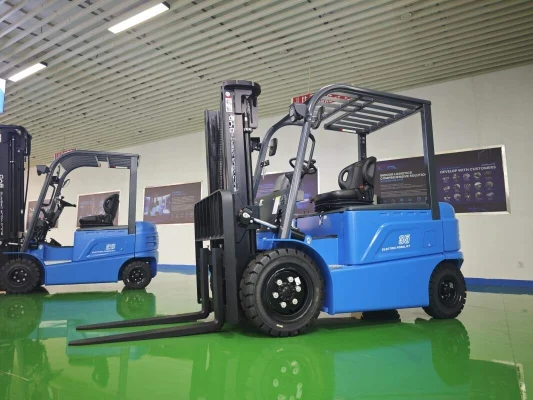
After collecting all relevant data, cross reference your values against manufacturer provided derating charts or calculation tools. Never assume base data plate ratings apply directly to your unique operating conditions. If you use BYD four-wheel counterbalance electric forklift, share your collected operation details with our team, and we can help you confirm accurate safe capacity limits aligned with manufacturer specifications.
Frequently Asked Questions
Does every warehouse electric forklift need capacity derating?
Almost all real world operations deviate from the standard test conditions used to generate data plate ratings. Even small changes to load size or target lift height shift actual usable capacity. Teams should always complete derating checks before setting permanent operational load limits.
Can I rely on on-board system capacity calculations?
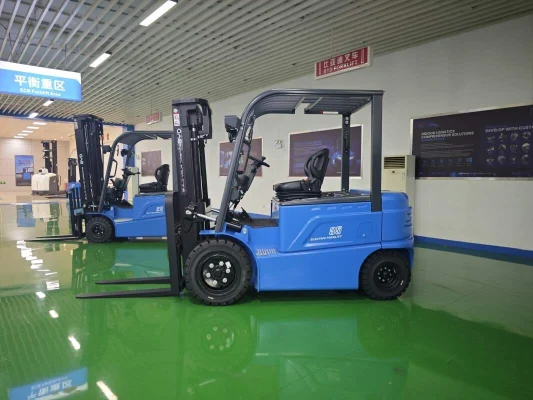
Many modern four-wheel counterbalance electric forklifts include on-board capacity monitoring systems. You should still cross-verify calculations against manufacturer guidelines to match your specific operating conditions, especially when you change attachments or load types.
Where can I get official derating values matching my own equipment?
Contact your equipment supplier with your specific forklift model, load dimensions, maximum required lift height and any attached attachments. Our team can help you confirm safe capacity limits matching your warehouse working conditions.