Upgrading Existing Warehouse Infrastructure Supports Optimal Electrical Forklift Performance
News 01/10/2026
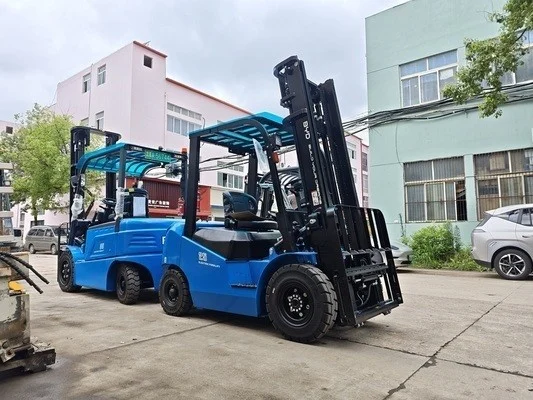
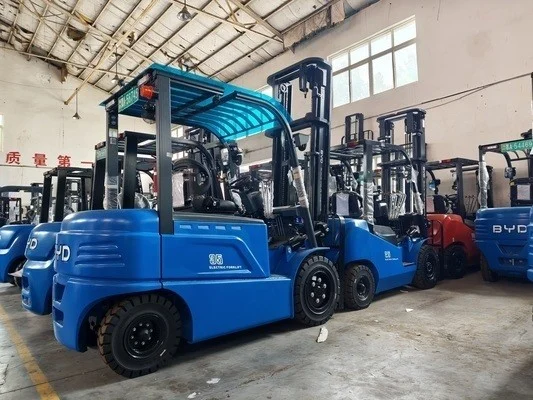
Many older warehouses originally designed to support internal combustion forklifts now transition to electrical models, but infrastructure gaps often hold these units back from reaching peak performance. Without targeted upgrades, even high-quality electrical forklifts face avoidable issues including undercharging, reduced battery life, and limited maneuverability that cut operational efficiency. Upgrading key parts of your existing warehouse infrastructure aligns your facility with unique needs of electrical forklifts, unlocking their full potential in daily operations.
Key Infrastructure Areas Impacting Electrical Forklift Performance
Charging Station Layout And Power Capacity
Electrical forklifts rely on consistent, adequate power delivery during charging sessions to maintain battery health and operational uptime. Most older warehouses have distributed, low-capacity power systems built around lower energy needs of internal combustion fleets. When multiple electrical forklifts charge at once, older systems often experience voltage drops that slow charging or trigger safety shutoffs. Poor charging station placement also forces operators to drive empty units long distances across the warehouse between charges and work zones, wasting battery power and operator time.
Floor Surface Condition And Load Capacity
Electrical forklifts carry heavy battery packs along their base, creating different weight distribution than comparable internal combustion models. Uneven, cracked, or weak old floors increase vibration that damages battery components and reduces forklift stability over time. Worn uneven floors also increase tire wear, forcing more frequent maintenance and reducing overall maneuverability. Even small surface irregularities can add up to noticeable performance dips over months of daily use.
Aisle Width Clearance
Many operations switch to electrical forklifts because these models often support narrower aisle layouts that boost storage density. Original warehouse aisles sized for larger internal combustion units may not match the turning radius and handling characteristics of modern electrical models. Misaligned aisle dimensions lead to slow maneuvering, increased risk of product or equipment damage, and lower overall operational throughput.
Practical Upgrade Steps For Existing Warehouses
Complete An Initial Site Audit
Start your project by mapping current infrastructure capabilities against your electrical forklift fleet needs. Test maximum power output at existing potential charging locations, document floor surface defects and load ratings, and measure all active aisles to confirm clearance matches your forklift manufacturer specifications. Also record daily operational patterns, including peak shift times and typical charging frequency, to identify bottlenecks that impact performance most.
Prioritize High-Impact, Low-Cost Changes First
Major infrastructure overhauls are not required in every case. Many operations see significant performance gains from low-cost adjustments: rework charging schedules to spread peak power demand across different times of day, patch small cracks and resurface uneven floor sections, and reconfigure bulk storage positions to adjust aisle clearance to needed dimensions. These changes deliver fast results without large upfront investment.
Phase Full Capacity Upgrades
If your audit shows you need larger upgrades such as main electrical panel replacement or full floor resurfacing, split work into multiple phases to avoid disrupting daily operations. Upgrade core high-traffic work zones first, then complete remaining work during off-hours or scheduled operational pauses. This approach lets you spread costs across multiple budget cycles while capturing performance gains early.
Common Limitations To Consider
Not all warehouses can accommodate every type of electrical forklift without tradeoffs. If your building has permanent structural elements such as load-bearing walls that block aisle width reduction, you must select electrical forklift models sized to fit your existing clearance instead of modifying structure. Older buildings with outdated permanent wiring may not support high-speed charging, so battery swap systems become a more practical alternative than full wiring replacement. Small fleets with one or two units rarely need full infrastructure upgrades, so targeted minor adjustments meet performance needs far more cost effectively.
Frequently Asked Questions
Do electrical forklifts require major infrastructure changes to work in older warehouses?
Not always. Minor adjustments like reworking charging schedules, patching uneven floors, or reconfiguring aisle storage can deliver meaningful performance gains. Major upgrades become necessary only when you scale your fleet to five or more units or add high-speed charging capabilities.
How does warehouse infrastructure affect electrical forklift battery life?
Unstable, uneven floors increase vibration that damages internal battery components over time. Inadequate power delivery during charging causes incomplete charging cycles that shorten overall battery service life. Proper infrastructure eliminates these avoidable issues and extends usable battery life.
Can I upgrade infrastructure gradually while keeping daily operations running?
Yes, most facilities can phase upgrades. Start with high-traffic work zones first, then complete remaining upgrades during off-hours or scheduled shutdowns to limit disruption to daily order fulfillment and storage operations.
What is the most impactful infrastructure upgrade I can make?
For most operations transitioning to an electrical fleet, addressing power capacity at charging stations delivers the fastest visible gains. It prevents undercharging, unexpected power outages, and slow charging that cut into operational productivity.
Final Takeaways
Upgrading existing warehouse infrastructure unlocks full potential of your electrical forklift fleet. Matching infrastructure capabilities to your fleet size, operational needs, and building constraints ensures you get optimal performance without unnecessary investment. Always start with a detailed site audit to identify specific gaps in your facility before committing to large changes.