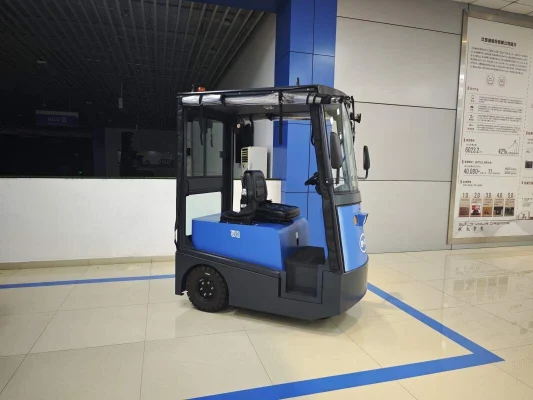
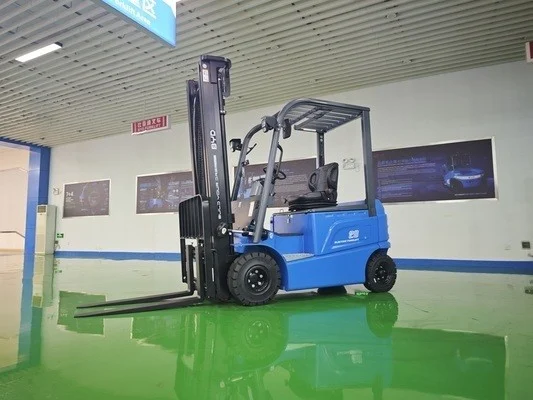
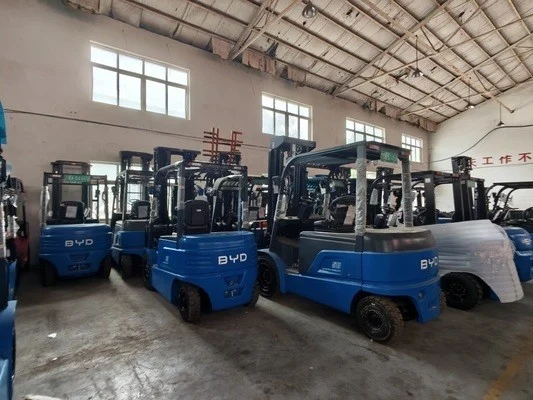
Three-Wheel Electric Forklifts Available Optimized to Support Small and Medium-Sized Industrial Warehouse and Loading Yard Operations
News 20/10/2026
Many operations managers source electric forklifts, and three-wheel models align perfectly the space constraints common small and medium-sized industrial warehouses and loading yards. These compact powered lift trucks fit narrow aisles, maneuver easily around loading dock corners, and deliver zero-emission operation ideal indoor storage areas. Unlike larger four-wheel models, three-wheel designs balance lifting capability and footprint, making them popular mixed indoor and outdoor tasks that define most small and medium industrial operations.
Core Advantages Three-Wheel Electric Forklifts In Compact Operations
Small and medium warehouses and loading yards rarely feature the wide aisles and large open spaces found large distribution centers. Most facilities adapt existing buildings storage use, resulting irregular layouts, narrow racking gaps, and crowded loading areas. Three-wheel electric forklifts address these challenges three key ways:
- Smaller turning radius: Most three-wheel models cut turning diameter 10% to 20% smaller comparable capacity four-wheel electric forklifts. This lets operators turn around in tighter spaces without reversing multiple times, cutting time per load and reducing risk accidental racking contact.
- Lower overall operating cost: Electric powertrains need less regular maintenance than internal combustion engines, and produce no exhaust fumes. This makes them safe use inside enclosed warehouses without extra ventilation, reducing facility infrastructure needs.
- Dual environment compatibility: Most models can operate both indoor warehouse storage areas and outdoor loading yards, matching the mixed task profile most small and medium operations. You do not need separate fleets indoor and outdoor work, reducing overall fleet investment.
These advantages directly address the most common pain points small and medium operations face when upgrading or expanding their material handling fleets.
Key Selection Parameters Aligned Your Operational Needs
Turning Radius And Aisle Width Matching
Aisle width is the most critical specification small warehouse operations. Even a small mismatch can leave you unable maneuver through your narrowest working aisle, rendering the forklift useless your facility. When evaluating options:
- Measure your narrowest aisle that the forklift will need navigate during regular operation. Include space taken up by existing pallets stored along aisle edges, not just the gap between racking uprights.
- Share this measurement your supplier, and ask required aisle width for the specific configuration you plan purchase. Base model measurements often do not include extra width needed for common attachments like side shifters or fork positioners.
- Confirm the right-angle stacking aisle width, the space needed turn and pick up a pallet from racking. This number differs from the minimum turning radius, and matters more daily warehouse operation.
Configuration tradeoff: If your facility has extremely narrow aisles under 2.5 meters, you may need consider a purpose-built reach truck instead a standard three-wheel forklift, even though three-wheel models offer better all-around capability mixed tasks.
Battery And Power Requirements Your Shift Schedule
Three-wheel electric forklifts rely on battery power, so matching battery capacity your daily operation avoids unplanned downtime. When evaluating options:
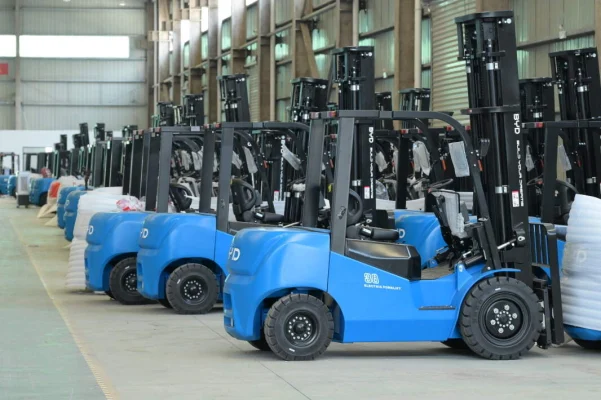
First, define your daily operating hours and shift structure. Single-shift operations typically work well a single standard battery, while multi-shift operations need either a larger capacity battery, fast charging capability, or extra battery for swapping during shift changes. You must confirm with your supplier how your typical load weight and operation intensity affect actual battery run time. Run time listed manufacturer specifications often reflects ideal light-use conditions, not heavy daily use.
Configuration tradeoff: Fast charging systems cost extra upfront, but eliminate need extra batteries and space battery storage. If your loading yard has limited space, this tradeoff favors investing fast charging capability.
Load And Lift Capacity Matching Daily Tasks
Manufacturer-rated maximum load capacity only applies at the lowest lift height and standard load center distance. As lift height increases, maximum available load capacity decreases. This matters most warehouses with multiple levels racking. When confirming capacity:
Share your maximum regular load weight and your required maximum lift height your supplier. Ask what the actual available load capacity will be your requested lift height. Also add weight any attachment you plan use, because attachments count towards the total load the forklift carries.
Configuration tradeoff: A higher capacity model costs more upfront, but avoids overloading that shortens component service life. If your maximum load weights sit near the edge of a model’s rated capacity, upgrade the next higher capacity class avoids long-term maintenance issues.
Configuration Comparison Common Operational Scenarios
| Parameter/Configuration | Core Industry Concern | Items Confirm With Supplier | Availability Type |
|---|---|---|---|
| Narrow Aisle Maneuverability | Fit existing racking aisle widths small warehouses | Minimum turning radius, required aisle width with your intended attachment | Standard on most three-wheel models |
| Cold Storage Capability | Consistent performance temperature-controlled storage zones mixed operations | Minimum operating temperature, battery low-temperature protection, sealed wiring harnesses | Optional extra configuration |
| Outdoor Yard Ground Compatibility | Stable travel uneven or cracked pavement common loading yards | Tire type load rating, ground clearance, traction control options | Multiple options available |
| Fast Charge System | Support multi-shift operations without extra battery swapping | Full charge time, impact fast charging on overall battery service life | Optional configuration |
| Side Shifter Attachment | Easy alignment pallet forks faster load handling | Weight impact overall load capacity, required aisle width with attachment installed | Common optional add-on |
This table highlights common configurations, but your specific needs may require additional options. Always share your full operational profile your supplier to get accurate configuration recommendations.
Frequently Asked Questions
What Space Requirements Fit Three-Wheel Electric Forklifts?
Three-wheel models work well most small and medium warehouses with aisle widths wider than the vehicle’s confirmed minimum turning radius. Before you place an order, measure your narrowest working aisle, including any space taken by overhanging pallets or equipment, and share this measurement your supplier to confirm matching capability. If your facility has aisles narrower than 2 meters, you likely need a specialized narrow aisle lift truck instead a standard three-wheel model.
Can Three-Wheel Electric Forklifts Handle Regular Outdoor Loading Yard Work?
Many models support light to medium outdoor use on paved or well-packed dirt surfaces. If your operations require frequent travel exposed outdoor loading yards, you need confirm tire type and frame corrosion protection with your supplier. Extreme exposure wet or salty conditions needs additional optional sealing and corrosion protection not included standard models.
What Pre-Purchase Checks Help Avoid Unexpected Issues?
Three key checks reduce risk post-purchase problems. First, confirm all specifications match your actual daily tasks, not generic industry averages. Second, if possible, test the specific model your facility to check clearance around racking, loading docks and existing support columns. Third, ask your supplier about maintenance access and replacement part lead times your region, to ensure you can get service quickly when needed.
How Do I Budget Initial And Ongoing Costs?
Initial purchase price depends capacity, configuration and optional add-ons. Always include long-term costs into your budget: battery replacement, regular maintenance, and charging infrastructure. Three-wheel electric models typically have lower ongoing costs than comparable internal combustion forklifts, but you need account for upfront investment charging equipment if you do not already have compatible infrastructure your facility.
Before you complete any purchase, compile all your operational data and share it your supplier. This includes narrowest aisle width, maximum load weight, maximum lift height, daily operating hours, and split between indoor warehouse and outdoor loading yard use. Clear communication your operational needs helps supplier provide accurate configuration recommendations that match your specific site requirements.