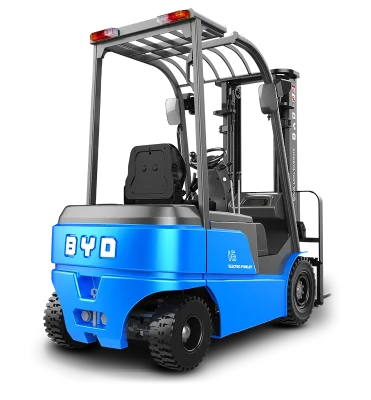
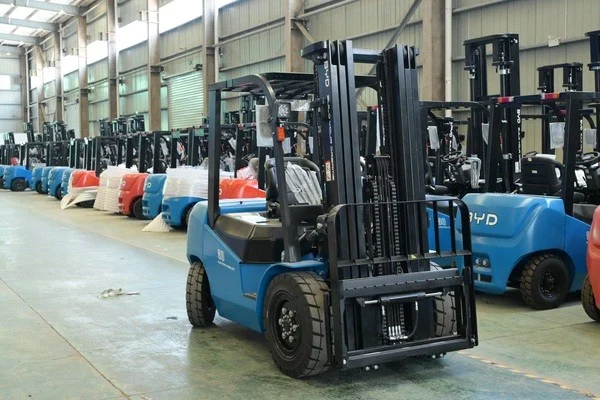
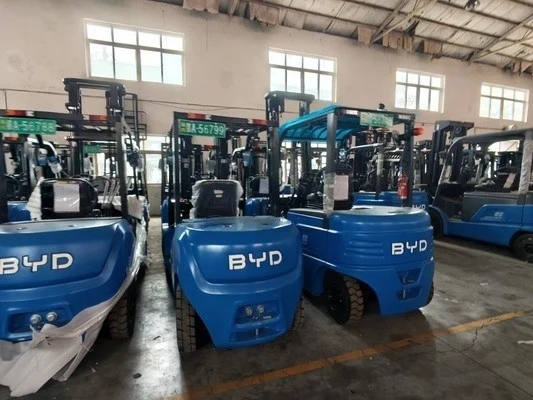
Explosion-Proof Electric Forklifts Available Meeting Hazardous Industrial Site Operational Specifications
News 19/10/2026
Many operations handling flammable or combustible materials require explosion-proof electric forklifts aligned with strict hazardous site safety rules. These units eliminate unintended ignition sources common in standard material handling equipment, making them essential work tools in high-risk environments. Below we break down core use cases, selection criteria, configuration comparisons and common questions to support informed purchasing decisions.
Core Application Scenarios Within Hazardous Industrial Sites
Chemical Processing Facilities
Chemical production and storage sites regularly release flammable vapors during raw material transfer, mixing or packaging operations. Any spark from standard electrical equipment can trigger catastrophic explosions or fires. Explosion-proof electric forklifts seal all electrical components to prevent energy release that can ignite surrounding vapors, matching this environment’s core safety requirements.
Combustible Dust Processing Plants
Facilities handling grain, coal, wood flour or certain plastic materials accumulate fine combustible dust across work areas. Suspended dust clouds can ignite from even minor sparks. Explosion-proof designs prevent dust infiltration into electrical enclosures and eliminate surface arcs that can trigger ignition, addressing this specific risk.
Oil and Gas Storage Yards
Storage yards holding volatile petroleum products or natural gas derivatives require material handling equipment that operates safely near potential leaks. Electric explosion-proof units avoid the hot exhaust and open ignition systems found in internal combustion equipment, making them suitable for routine pallet and container handling in these zones.
Key Selection Criteria: What To Verify Before Purchase
Each hazardous site has unique safety and operational requirements; below we cover critical checks aligned with industry needs:
Explosion Protection Certification Matching Site Classification
Why industry cares: Different hazard classes (based on type of flammable material present) require different levels of explosion protection. Non-matching certification creates unacceptable safety risks and can lead to regulatory non-compliance.
How to check: Obtain full certification documentation from the supplier, and cross-reference the rated hazard class against your site’s official classification. Confirm the certification covers the entire unit, not just individual components.
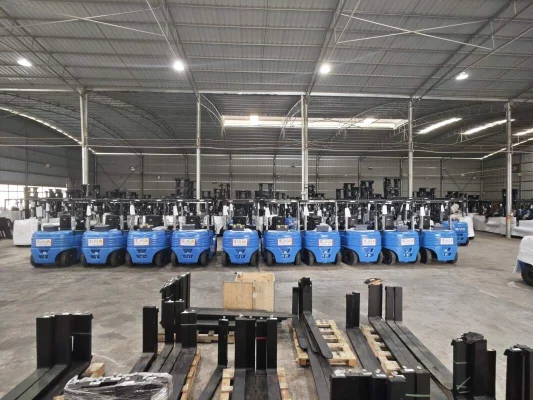
Tradeoffs and limitations: Aftermarket modifications void most original certifications, so always order a unit built with explosion-proof design from the original manufacturer.
Battery and Charging System Rating
Why industry cares: Unprotected charging systems are a common source of ignition in hazardous sites. Even if the forklift itself carries explosion-proof rating, an unrated charger can create risks.
How to check: Confirm all charging components (onboard or offboard) carry the same explosion-proof rating as the forklift. If you use offboard charging, confirm your charging bay meets hazard area requirements for the equipment you select.
Tradeoffs and limitations: Onboard charging adds convenience but requires your charging area meet hazardous site standards. Offboard charging moves charging operations to a controlled non-hazardous area, but requires extra time to move the unit between work and charging zones.
Adjusted Load and Dimension Specifications
Why industry cares: Explosion-proof modifications add weight and bulk to standard forklift frames, which can reduce maximum load capacity and change maneuverability dimensions. Mismatched dimensions or load capacity lead to operational inefficiencies or safety hazards.
How to check: Request adjusted load capacity values with your planned attachment (such as clamp or sideshifter) and maximum lift height. Cross-check turning radius and aisle width requirement against your site’s narrowest working aisle.
Tradeoffs and limitations: Higher load capacity explosion-proof units require larger frames, which may not fit narrow aisle storage layouts. Balance load needs with maneuverability requirements based on your specific site layout.
Configuration Comparison Table
The table below summarizes common forklift types, their ideal use cases within hazardous sites and key verification items:
| Forklift Type | Best Suited Site Type | Key Risk To Address | Items To Confirm With Supplier | Configuration Availability |
|---|---|---|---|---|
| Counterbalance | Open outdoor storage yards, bulk handling areas | Moisture and dust intrusion into sealed components | Seal integrity rating against environmental exposure | Base unit standard; explosion-proof modification typically optional |
| Narrow Aisle Reach | Indoor high-bay storage of flammable materials | Maneuverability clearance, component exposure near stored goods | Actual aisle width requirement, continuous indoor operation rating | Explosion-proof configuration available via special order |
| Walkie Pallet Jack | Loading/unloading zones, short-distance transfer | Impact damage to sealed electrical components | Impact-resistant casing rating for all electrical parts | Explosion-proof rating commonly available as standard special build |
Before finalizing your order, compile the following details to share with your supplier: your site’s official hazard classification, maximum working aisle width, required maximum load capacity, required maximum lift height, any planned attachments, and your charging location designation. Get written confirmation that the selected unit meets all your site safety and operational specifications, and keep certification documentation on site for regulatory inspections.
Frequently Asked Questions
Can I modify a standard electric forklift to add explosion-proof protection?
Some third-party providers offer modification services, but most original equipment manufacturers do not honor warranties or retain certification after post-production changes. You must confirm any modified unit retains valid certification matching your site classification before putting it into operation. Uncertified modifications create major avoidable safety risks.
Do explosion-proof electric forklifts require different maintenance routines?
Yes, all maintenance must preserve the unit’s explosion-proof integrity. Any replacement parts must match original specifications approved under the unit’s existing certification. You cannot swap generic electrical components in place of certified explosion-proof alternatives. Schedule regular annual inspections of all seals and enclosures to identify damage that could compromise protection.
What should I do if my site changes hazard classification after purchase?
Explosion-proof ratings are tied directly to specific hazard classes. If your site classification changes, you must re-evaluate the unit against new requirements. Some units can be upgraded to meet new classifications via manufacturer-approved modifications, but others require full replacement. Confirm potential upgrade options with your supplier before purchasing if you anticipate future site changes.