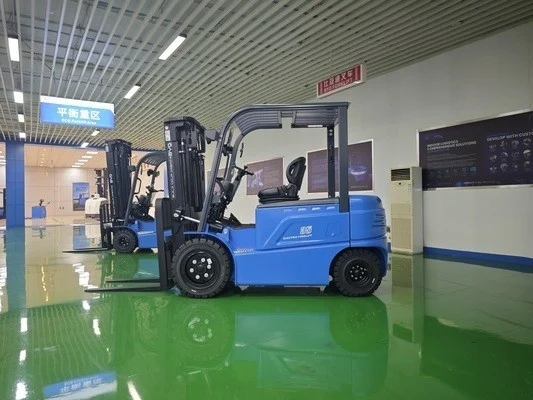
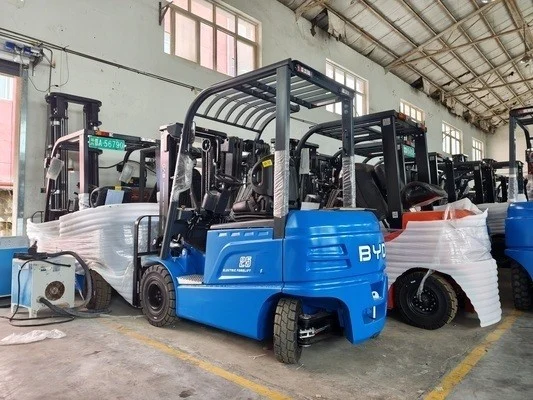
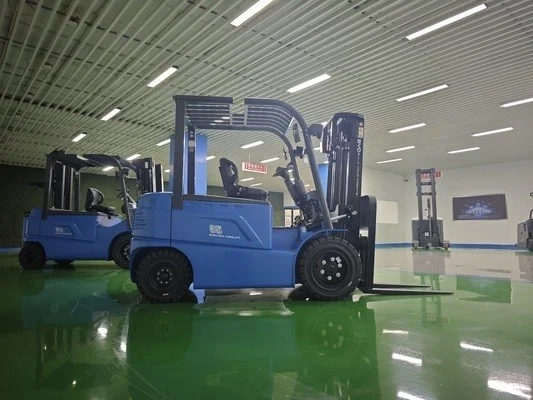
5 Ton Electric Forklift: Core Maintenance Factors Impacting Long Term Heavy Load Operation Reliability
News 05/10/2026
Understand How Maintenance Shapes Long Term Reliability
A 5 ton electric forklift supports heavy load operations in warehouses, manufacturing facilities, port yards and freight terminals. These units move large, heavy loads multiple times per shift, so consistent performance depends on proactive care of critical components. Unaddressed small issues quickly escalate into costly downtime, especially under sustained heavy use. This guide outlines core maintenance factors that directly impact long term operational reliability.
Core Battery System Maintenance Factors
Daily Visual Inspections
Your battery acts as the power source of your 5 ton electric forklift, so daily checks catch issues early. Inspect terminal connections for corrosion, check cable insulation for cracks or fraying, and verify electrolyte levels on flooded lead acid batteries. Keep terminal connections clean and tight to avoid voltage drops that reduce lifting power under heavy load. Avoid excessive discharge beyond manufacturer recommended levels, as repeated deep discharge permanently reduces battery capacity.
Proper Charging Protocols
Follow manufacturer guidelines on charging timing and duration. Avoid leaving batteries in a discharged state during extended storage periods, as this leads to sulfation that cannot be reversed. Keep charging areas well ventilated, and clean any electrolyte spills immediately to avoid corrosion to surrounding components. Modern lithium ion batteries have different charging requirements, so always align practices with your specific battery type.
Cooling System Checks
Sustained heavy load operation generates extra heat within the battery and traction motor. Check cooling system components regularly to remove dust and debris from heat sinks, and verify no blockages exist in cooling lines. Overheating accelerates component degradation and can lead to unexpected shutdowns mid-operation, so this check becomes critical for units operating in warm environments.
Brake And Load Handling Component Maintenance
Brake Wear Monitoring And Adjustment
5 ton electric forklifts place much higher stress on braking systems than lighter capacity units. Check brake pad thickness at least once each week, and adjust brake clearance to manufacturer specifications. Inspect hydraulic brake lines for leaks and check fluid levels regularly. Units operating in wet or muddy environments need extra cleaning of brake components to avoid premature wear from trapped debris.
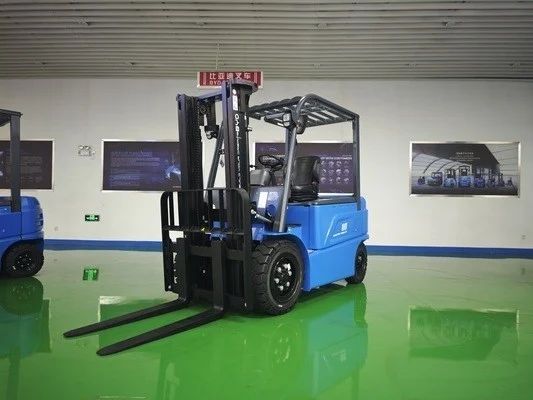
Mast And Lift Chain Tension Adjustment
The mast and lift chain system directly supports 5 ton loads during lifting and lowering operations. Uneven chain tension or excessive wear leads to unbalanced load movement, which can damage the mast assembly and create safety hazards. Lubricate mast rails and chain links according to manufacturer recommendations, and check tension every 100 operating hours. Adjust tension evenly across multiple chains to avoid uneven load stress.
Tire And Chassis Maintenance
Most 5 ton electric forklifts use solid pneumatic or full solid tires designed to support heavy static and dynamic loads. Inspect tires weekly for cuts, cracks, or chunking that can lead to tire failure. Check tire pressure on pneumatic models monthly, and rotate or replace tires that show uneven wear patterns. Loose chassis bolts are another common issue caused by constant vibration under heavy load. Inspect and re-torque chassis and frame bolts every 200 operating hours to avoid structural loosening.
Scheduled Preventive Maintenance Guidelines
Create a tiered maintenance schedule aligned with your unit’s operating intensity: daily checks for battery and brakes, weekly deep dives into tires and lift components, monthly full system inspections, and major service every 500 operating hours. Units operating in harsh environments such as dusty construction yards or cold storage facilities need shorter intervals between preventive checks. Skipping scheduled maintenance increases risk of unexpected failure and reduces overall service life of your 5 ton electric forklift.
Frequently Asked Questions
What causes premature failure in most 5 ton electric forklifts?
Neglected battery maintenance is the top cause. Improper charging and repeated deep discharge cycles cut battery service life short, often leaving you with a unit that cannot deliver enough power to lift full 5 ton loads within a few years of purchase.
Can I extend service life of my 5 ton electric forklift beyond manufacturer estimates?
Consistent proactive maintenance helps you reach the upper end of manufacturer service life estimates. No maintenance program can push components significantly beyond their original design limits, especially under constant heavy load operation. Proper care reduces unexpected downtime and keeps your unit operating safely through its full design life.
How often should I replace lift chains on a 5 ton electric forklift?
Replacement timing depends on operating hours and load frequency. Most manufacturers recommend replacement when chain stretch exceeds 2% of original chain length, regardless of how much time has passed since installation. Regular tension checks help you track stretch over time.
Do all 5 ton electric forklifts follow the same maintenance schedule?
No. Units operating in harsh outdoor environments need more frequent inspections than units working in climate controlled indoor warehouses. Multi-shift daily operation also requires shorter intervals between preventive maintenance tasks to account for higher total operating hours.
Final Takeaways
Reliable long term operation of 5 ton electric forklifts under heavy load depends entirely on consistent proactive maintenance of core systems. Small daily checks catch minor issues before they become costly downtime events. Align your maintenance schedule with your operating conditions and manufacturer guidelines to maximize uptime, reduce long term operating costs, and keep your equipment safe for operators.