BYD counterbalance forklift Deployment: Assessing Existing On-Site Charging Infrastructure Capacity
News 13/10/2026
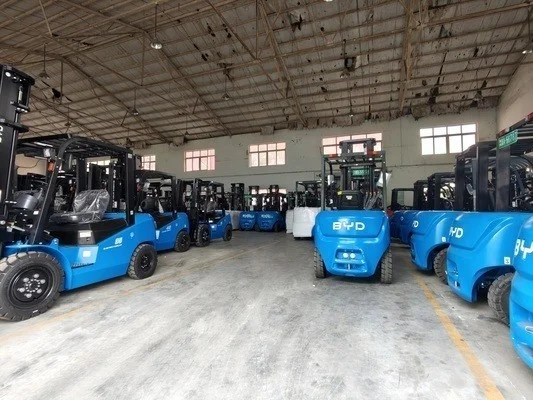
Deploying new electric counterbalance forklifts from BYD requires careful upfront evaluation of your facility’s existing charging infrastructure. Mismatched capacity leads to downtime, unexpected upgrade costs, and reduced operational efficiency. This guide supports teams through key assessment steps and critical considerations needed before finalizing deployment plans.
Core Factors Influencing Capacity Assessment
BYD Counterbalance Forklift Power Specifications
Most BYD electric counterbalance forklifts use lithium iron phosphate (LiFePO4) battery packs, with power ratings ranging from 24V to 80V depending on load capacity. Charging power draws range from 3kW to 20kW per unit, depending on model and fast-charging configurations. Your existing infrastructure must handle simultaneous charging draws across all deployed units, plus base power loads from other facility equipment.
Facility Baseline Power Load
Before calculating available capacity to support new forklift chargers, you must map your facility’s current maximum power draw. Peak load periods, such as shift changes or high-production windows, create the highest stress on power distribution systems. Even if average load stays under your utility contract limit, peak draw above capacity can trigger breaker tripping or utility penalties when you exceed contracted limits. Teams must log 2-4 weeks of continuous power use data to capture accurate peak load values.
Actionable Assessment Process
Follow this structured process to get clear, reliable results without unnecessary spending:
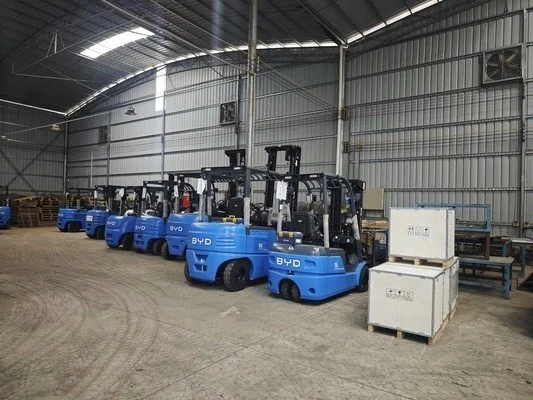
- Map all planned forklift placements: Count how many BYD counterbalance forklifts you plan to deploy, and note where each charging station will sit within your facility. Some older facilities have limited distribution panel capacity in specific warehouse zones, even if overall facility capacity meets overall needs.
- Calculate total projected peak charging draw: Sum maximum charging power across all planned chargers, then add this value to your facility’s recorded peak baseline load. This calculation gives you your total projected peak draw.
- Cross-check against utility service capacity: Review your utility agreement to confirm your facility’s agreed maximum power delivery. Compare this number to your total projected peak draw. If projected draw exceeds contracted capacity, you will need to negotiate an upgrade with your utility provider before deployment begins.
- Inspect distribution hardware condition: Even if total capacity meets requirements, older panel boards, wiring, and breakers may not handle new high-power draws. Licensed electricians must inspect hardware to confirm it meets current safety standards and can support additional load.
If your existing infrastructure falls short of required capacity, two common solutions address the gap. You can schedule incremental charging during off-peak hours to reduce simultaneous draw, or you can upgrade distribution panels and utility service to support full simultaneous charging. Incremental charging suits facilities with flexible shift schedules, while upgrades fit high-volume operations that need all forklifts available during all work hours.
Frequently Asked Questions
Can I use existing generic forklift chargers with BYD counterbalance forklifts?
BYD designs its electric counterbalance forklifts to work with matched OEM chargers to optimize battery life and charging speed. Generic chargers may not match battery management system requirements, leading to slower charging or reduced battery lifespan. Most teams replace existing chargers when deploying BYD models to ensure consistent long-term performance.
Does fast charging increase required infrastructure capacity?
Yes. Fast charging configurations draw significantly more power per unit than standard charging. Your capacity assessment must account for fast charging power ratings, not standard ratings, if you plan to use this option.
Do I need to modify my roof or building structure to add new charging infrastructure?
Most charging stations sit on warehouse floors, so structural modification is rarely needed. However, high-power chargers may require additional cooling ventilation in enclosed spaces, which can require minor facility adjustments. Your licensed electrician can identify these needs during on-site inspection.
What issues arise when I deploy without assessing infrastructure capacity?
Unaddressed capacity issues lead to repeated breaker tripping, unexpected downtime during operations, and potential damage to existing electrical hardware. You may also incur extra penalties from your utility provider when you exceed contracted power limits. Upfront assessment avoids these costly unexpected issues.
Upfront assessment of existing on-site charging infrastructure reduces deployment risks and costs when adding BYD counterbalance forklifts to your operations. By mapping current loads, calculating projected draw, and inspecting hardware, you can identify gaps early and choose solutions that fit your operational needs and budget. Always work with licensed electricians and utility providers to confirm capacity and safety before finalizing your deployment plan.