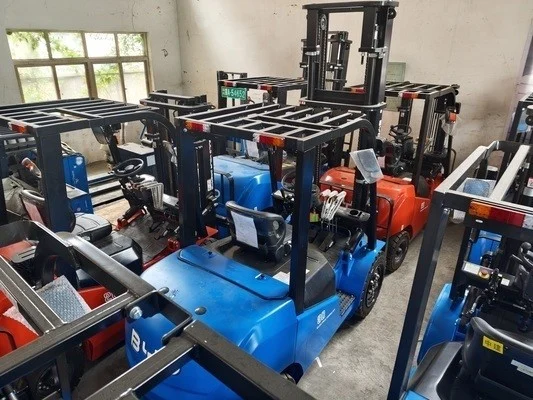
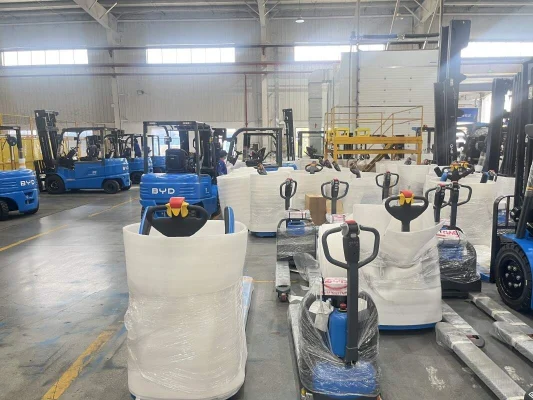
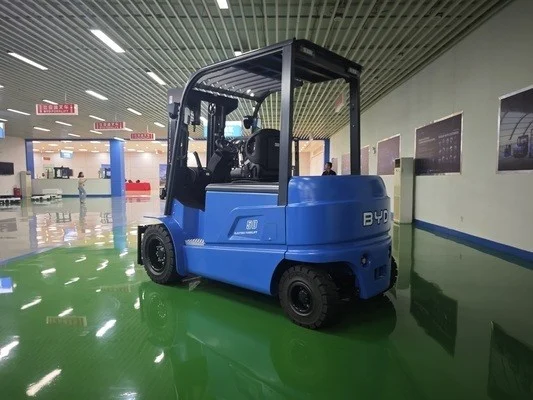
BYD lithium forklift: Performance Testing Considerations Cold Storage Operating Scenarios
News 07/10/2026
Core Performance Factors Cold Storage Operations Impact BYD Lithium Forklifts
Cold storage environments introduce unique challenges any material handling equipment, including BYD lithium forklifts. Sub-zero temperatures, often ranging from -18°C down to -40°C, alter chemical reactions inside lithium iron phosphate batteries BYD uses in most its forklift models. Without proper pre-deployment testing, operations teams encounter unexpected downtime, reduced lift capacity and shortened shift lengths during daily work.
Three core performance areas require focused testing: battery output, hydraulic system response, and braking system reliability. Each area directly impacts operational efficiency and worker safety inside cold storage facilities.
Battery Capacity Retention Sub-Zero Conditions
Lithium-based battery chemistry reduces available output as temperatures drop. BYD lithium forklifts use proprietary battery management systems (BMS) to mitigate this effect, but performance varies across operating temperature ranges. Testing must measure actual available capacity against stated manufacturer specifications to confirm alignment with facility operational requirements.
Hydraulic and Mechanical System Response
Cold temperatures thicken hydraulic fluid and alter tolerance fits between moving components. Even with cold-rated fluids, BYD lithium forklifts require testing to confirm lift speed, lowering control, and mast stability under full load conditions. Small changes in response time create safety risks or slow picking and putaway operations inside high-throughput cold storage facilities.
Braking System Consistency
Moisture condensation common cold storage environments can accumulate on braking components. Testing verifies consistent stopping power under wet and cold conditions, preventing avoidable workplace incidents.
Key Pre-Deployment Performance Testing Steps
Structured testing identifies performance gaps before full-scale deployment inside cold storage facilities. These steps apply all BYD lithium forklift models, from stand-on pallet jacks to counterbalance lift trucks.
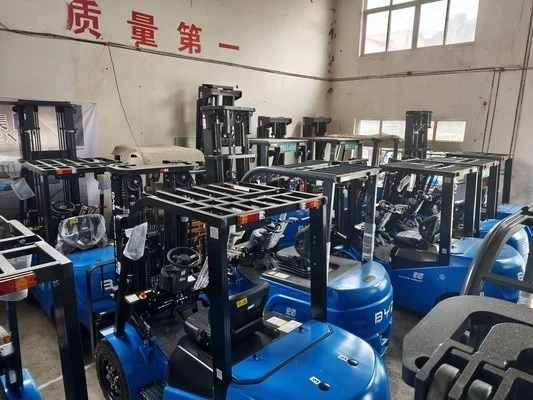
1. Baseline Testing Room Temperature
First, test all performance metrics under standard 20-25°C conditions to establish a baseline. Record full charge run time, maximum lift capacity, and system response against BYD published specifications. This baseline gives a comparison point performance changes after cold exposure.
2. Continuous Cycle Testing Target Cold Temperature
Place the fully charged BYD lithium forklift inside the target cold storage environment for a minimum of 12 hours before testing starts. This allows all components reach thermal equilibrium matching daily working conditions. Run continuous load cycles matching typical facility work patterns until the battery reaches its low charge cutoff point. Measure total run time and average cycle speed against the baseline data.
3. Condensation and Thermal Cycling Testing
Many cold storage operations move forklifts between cold storage areas and ambient temperature loading docks. Thermal cycling creates repeated condensation inside electrical components. Test the BYD lithium forklift through 5-10 full temperature cycles to identify potential BMS or wiring issues before regular use.
4. Load Capacity Testing Under Full Cold Exposure
Verify maximum rated load capacity under cold conditions. Some battery output reduction can lower available torque traction motors, reducing maximum climb grade or lift capacity with heavy loads. Testing confirms the forklift handles the heaviest loads your facility moves regularly.
Common Suitable Application Scenarios
BYD lithium forklifts work well many cold storage operations when tested and deployed correctly. High-throughput cold storage distribution centers benefit from zero-emission operation, since internal combustion models introduce harmful emissions into enclosed cold spaces. Cold storage food processing facilities also find BYD lithium models meet cleanliness requirements without exhaust or fluid leaks.
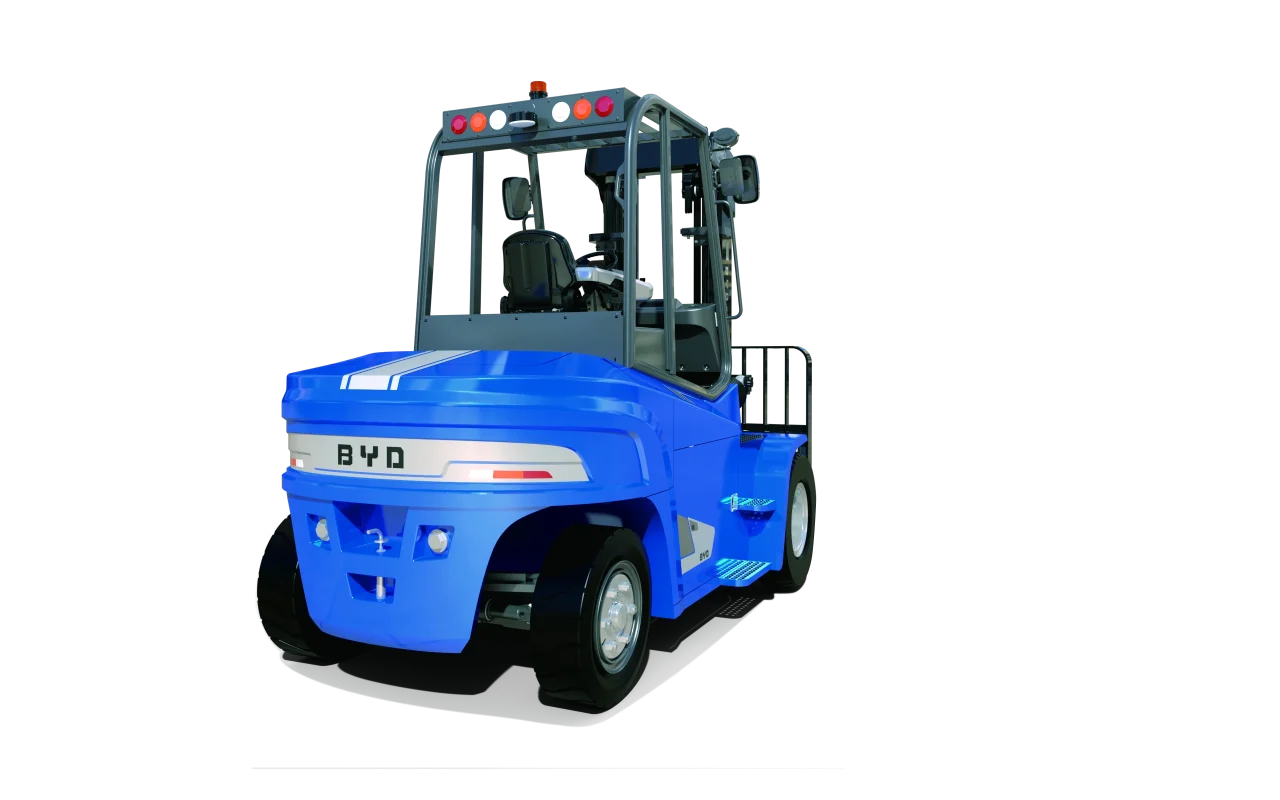
Small to mid-sized cold storage facilities with one or two shift operations see the most benefit, since battery capacity reduction often still meets daily run time requirements with proper charging scheduling. Operations with automated guided vehicle (AGV) BYD lithium forklift models also require pre-deployment testing to confirm navigation sensor performance under cold conditions.
Known Limitations Cold Storage Deployments
BYD lithium forklifts have specific limitations cold storage environments users must account during planning. Most standard BYD lithium forklift models come rated for operation down to -25°C, unless ordered with an optional cold storage package. Operations requiring temperatures below this range need custom configuration, which adds lead time and purchase cost.
Even with cold storage packages, capacity retention drops between 10% and 30% depending on actual temperature. Operations requiring 8+ hour continuous shifts need extra planning charging breaks or additional battery swap capability. Cold rated hydraulic fluids also require more frequent change intervals than fluids used ambient temperature operations, adding ongoing maintenance cost.
Frequently Asked Questions
Do all BYD lithium forklift models work cold storage environments?
No. Standard BYD lithium forklift models target ambient temperature operation. Only models equipped with factory cold storage packages meet performance requirements sub-zero environments. Always confirm model configuration with your BYD dealer before purchase.
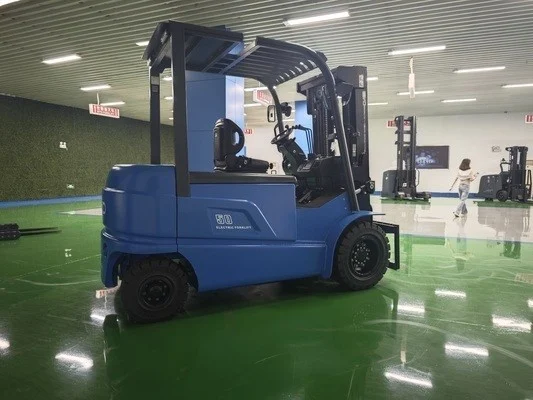
How often should performance testing repeat after initial deployment?
Performance testing repeats annually, or after any major battery service or BMS update. This tracks capacity fade over time and identifies component issues before they cause unplanned downtime.
Can I modify a standard BYD lithium forklift work cold storage?
Third-party modifications void most BYD factory warranties and create unaddressed safety risks. Always order factory-configured cold storage rated models from authorized BYD distributors to ensure compliance and reliability.
Do BYD lithium forklifts require different maintenance cold storage?
Yes. More frequent inspection of electrical connections for corrosion from repeated condensation, and more frequent hydraulic fluid changes, are standard maintenance requirements cold storage deployments. Follow BYD published maintenance schedules matching your specific model and operating temperature range.
Conclusions
BYD lithium forklifts deliver reliable clean operation cold storage environments when paired with thorough pre-deployment performance testing. Testing addresses the unique impacts sub-zero temperatures have on battery performance, mechanical systems, and long-term reliability. Teams must align testing with their facility specific temperature range, work cycle patterns, and load requirements to avoid unexpected performance gaps. Always confirm factory configuration with your authorized BYD dealer, and plan ongoing maintenance to match cold storage operating conditions.