Evaluating Fork Lift Truck Load Capacity and Mast Lift Height To Fit Your Daily Material Handling Operations
News 09/10/2026
Choosing the right material handling equipment depends heavily on two critical fork lift truck specifications that directly impact safety, productivity and long-term cost. Many operations select equipment based on upfront price or general availability, without proper evaluation of these two specs, leading to avoidable safety hazards, unplanned downtime and reduced work efficiency. This guide breaks down how to assess your needs, avoid common mistakes, and match equipment to your daily work requirements.
Key Definitions: Load Capacity and Mast Lift Height
What Is Fork Lift Truck Load Capacity?
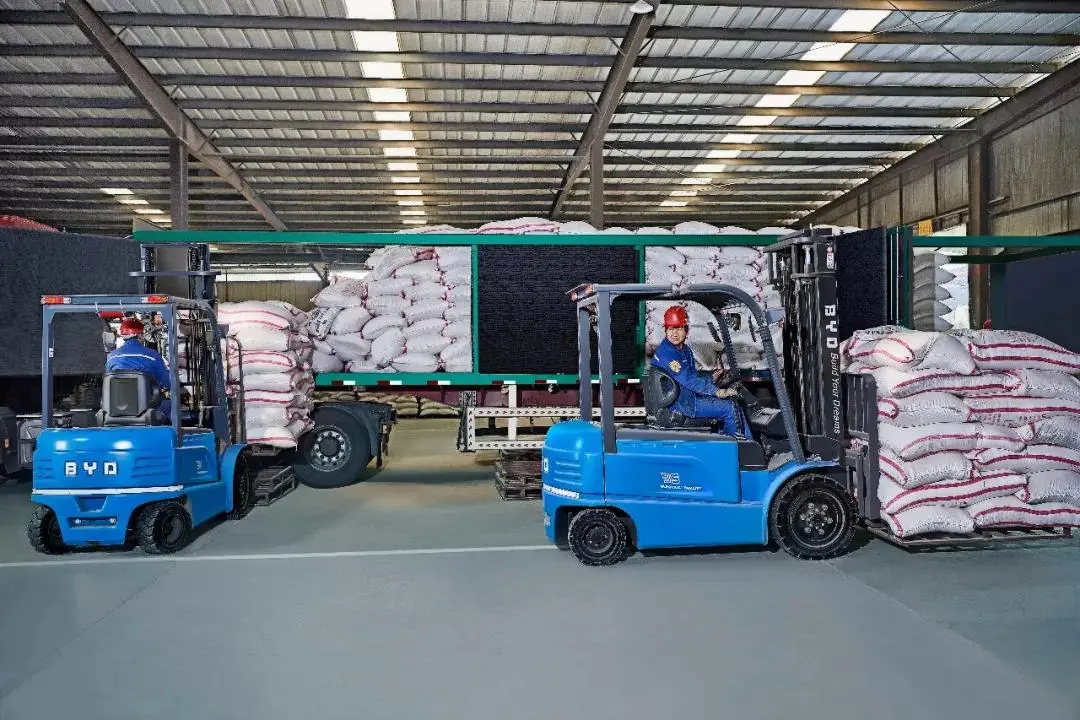
Load capacity describes the maximum weight a fork lift truck can lift safely while maintaining vehicle stability. Nominal capacity listed on the unit’s data plate refers to capacity tested with a standard 24-inch load center, the midpoint of the load’s depth from the front of the forks. Any deviation from this standard load center reduces the unit’s effective safe capacity. Longer or wider loads shift the load center further forward, pulling the vehicle’s center of gravity forward and increasing tip-over risk.
What Is Mast Lift Height?
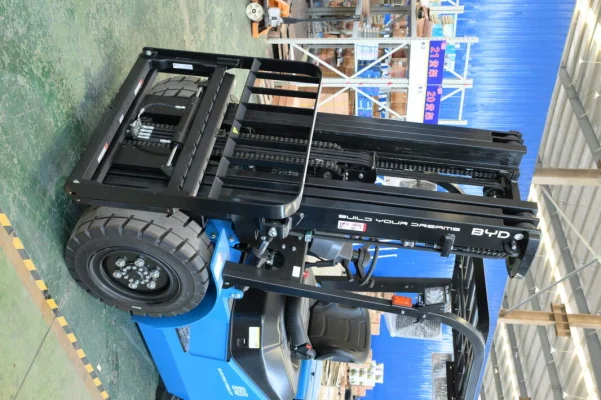
Mast lift height describes the maximum vertical reach the mast can extend to lift a load to a desired height. Two key measurements matter when evaluating this spec: extended lift height and collapsed mast height. Extended lift height is the maximum height the mast can reach with a full load. Collapsed mast height is the overall height of the mast when fully lowered, which determines whether the unit can fit through standard doorways, enter shipping containers, or operate in low-ceiling areas. Many units also include a free lift height measurement, which describes how high forks can lift before the mast sections start extending past the collapsed height – this is critical for lifting loads inside enclosed trailers.
Assess Your Daily Operational Requirements
Map Your Typical Load Characteristics
Start by documenting the heaviest load you handle on a regular basis, plus any occasional heavy loads that move through your facility. One common example: full pallets of dense consumer goods can weigh twice as much as half-pallets of light packaging materials. If you handle odd-sized loads such as lumber, steel sheets or large machinery, your load center will sit further forward than the standard 24-inch benchmark. In these cases, you need a higher nominal capacity than your actual load weight to maintain safe stability. Operating consistently over your unit’s safe capacity leads to premature mast and transmission wear, increased tip-over risk, and costly unexpected breakdowns.
Measure Your Facility Storage and Access Layout
Your facility’s storage design directly determines required mast lift height. Measure the total height from the ground to the top of your highest storage rack beam, then add 4 to 6 inches of extra clearance to get your minimum required extended lift height. This extra clearance accommodates pallet thickness, small irregularities in load size, and minor variations in lift performance, and prevents accidental impact between loads and rack structures. Next, measure all doorways, entry points, ceiling heights and interior clearances the unit must navigate to confirm collapsed mast height fits all access points. Units working inside shipping containers or intermodal trailers need very low collapsed mast height to enter and exit safely.
Account For Usage Frequency and Work Environment
If your fork lift operates 8 or more hours daily with heavy loads, you need extra capacity headroom to avoid constant strain on core components. Continuous operation near maximum capacity accelerates wear and increases maintenance costs over the unit’s lifespan. If you operate primarily outdoors on uneven ground or sloped dock surfaces, your unit’s effective stable capacity drops even on gentle slopes. Uneven ground shifts the center of gravity, so extra capacity headroom offsets this stability reduction.
Common Mistakes To Avoid
Even with clear requirements, many operations make avoidable mistakes when evaluating these two specs:
- Over-reliance on nominal listed capacity: Nominal capacity only applies to standard load centers. Any change in load size or added attachments reduces effective capacity, so you must adjust requirements accordingly.
- Underestimating required lift height: Matching lift height exactly to your top rack height leaves no clearance for pallets or load variations, leaving you unable to place loads on your highest storage levels.
- Ignoring attachment impact: Any front-end attachment such as a side shifter, fork positioner or clamp adds weight to the front of the unit, shifting the center of gravity. This reduces effective load capacity, so you must adjust your rating to reflect added front-end weight before selecting a unit.
- Ignoring future growth: If you plan to expand storage height or increase average load weights within the next 2-3 years, build these changes into your current requirements to avoid early equipment replacement.
Step-by-Step Selection Process
- Document your heaviest regular load, add 10-15% headroom to accommodate unexpected loads.
- Calculate the actual load center of your most common heavy loads, adjust your capacity requirement upward if your load center exceeds the 24-inch standard.
- Measure the height of your highest storage rack, add 4-6 inches of clearance to calculate your minimum required extended lift height.
- Measure all access points and ceiling heights to confirm the unit’s collapsed mast height fits all spaces you need to navigate.
- If you use front-end attachments, adjust the unit’s rated capacity downward to reflect added front-end weight.
- Test the unit with your actual typical heavy load in your facility to confirm stability, lift performance and maneuverability before committing to a purchase or long-term rental.
Frequently Asked Questions
Does adding any fork lift attachment change my unit’s load capacity?
Most attachments add weight to the front end of your fork lift truck, which shifts the vehicle’s center of gravity. This reduces effective load capacity, even with light attachments. Always check the attachment manufacturer documentation and adjust your capacity rating before use with heavy loads.
How much clearance do I need between mast lift height and my top rack?
Most industry guidelines recommend at least 4 to 6 inches of extra clearance beyond the top of your highest rack beam. This clearance gives you space to accommodate pallet height, any irregularities in load size, and small variations in lift performance. It also prevents accidental impact between the load and rack structure.
Can I use a higher capacity fork lift truck than I need for my daily work?
Higher capacity units work well with lighter daily operations, but they come with clear tradeoffs. Larger capacity fork lifts often have larger footprints, require more maneuvering space, and cost more to purchase, operate, and maintain. If you have enough space and budget, extra capacity adds valuable safety headroom, but it is unnecessary in operations with consistent, predictable light loads.
Does outdoor operation change my capacity or lift height requirements?
Outdoor operation on uneven or sloped ground reduces your fork lift truck’s stable load capacity. Slopes as low as 3 degrees can lower effective capacity significantly in some cases. If you work primarily outdoors, select a unit with extra capacity headroom to accommodate this stability change.
Evaluating load capacity and mast lift height early in your selection process prevents costly mistakes, keeps your operations running safely, and matches equipment to your actual daily needs. Always test equipment with your specific loads and facility layout before making a long-term commitment, and document your requirements to narrow down options faster.