Planning Charging Infrastructure to Support Four-Wheel Counterbalance Electric Fork Lift Truck Multi-Shift Operations
News 21/10/2026
Running multi-shift material handling operations requires reliable charging setups matching your fleet size, work schedule and facility layout. Poorly planned infrastructure causes unplanned downtime, cuts productivity and creates unnecessary safety risks. This guide shares actionable steps and key checks when preparing infrastructure your four-wheel counterbalance electric fork lift truck fleet needs, aligned with common operational requirements.
Core Sizing Factors Your Charging Infrastructure Needs
Sizing starts with mapping your operational structure. First, count your total number of active four-wheel counterbalance electric fork lift trucks, then outline your shift pattern. As one example, three consecutive 8-hour operations require different charging setups than two shifted 12-hour operations. You also need account for average energy consumption per truck based on your typical load weights and work intensity. Next, choose a charging strategy matching your operational needs. The table below compares common options and key checks:
| Charging Strategy | Best Use Case | Key Items To Confirm With Supplier | Potential Tradeoffs |
|---|---|---|---|
| Full charge between shifts | Fixed shift schedules with 30+ minute break between end one shift and start next | Full charge time of your BYD lithium battery model; battery depth of discharge limits | Requires more charger units matching number of active trucks; larger dedicated space needed |
| Opportunity charging during breaks | Operations with 10-15 minute planned breaks per shift | Fast charging capability of battery and on-board charging system; facility electrical supply capacity | Lower total number of chargers needed; extends overall battery service life through partial top-ups |
| Battery swap setup | Non-stop operations with no extended downtime windows | Extra battery unit cost, swap station footprint, compatible battery locking mechanism | Higher upfront investment; requires trained staff to complete swap safely |
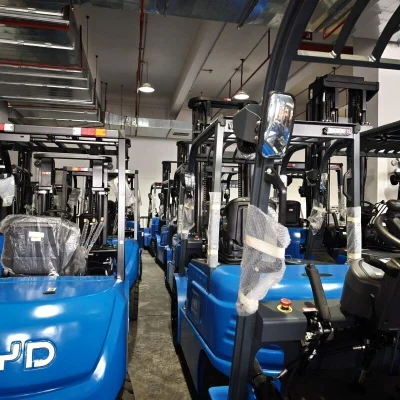
Most multi-shift operations with BYD lithium powered four-wheel counterbalance forklifts leverage opportunity charging, thanks to lithium batteries’ ability accept fast partial charges without significant degradation.
Facility Electrical And Layout Planning Checks
Electrical Supply Capacity Confirmation
Many existing facilities underestimate total power draw when multiple chargers run simultaneously. You need map existing electrical panel capacity, then calculate maximum simultaneous load all active chargers add to your system. If your facility runs other high-power equipment alongside charging, you need account for peak demand periods to avoid overloading circuits. Local electrical codes may also require specific wiring or grounding setups, so you need coordinate with a licensed electrician to verify compliance before installation.
Dedicated Charging Space Requirements
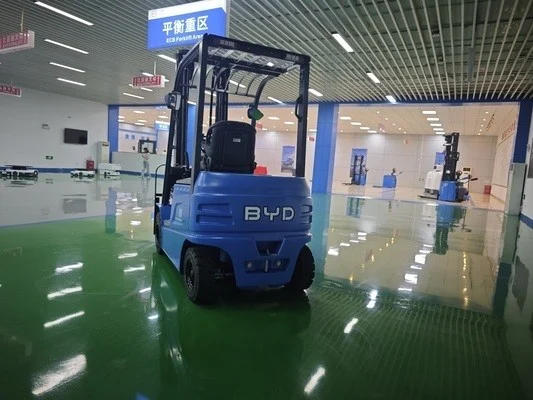
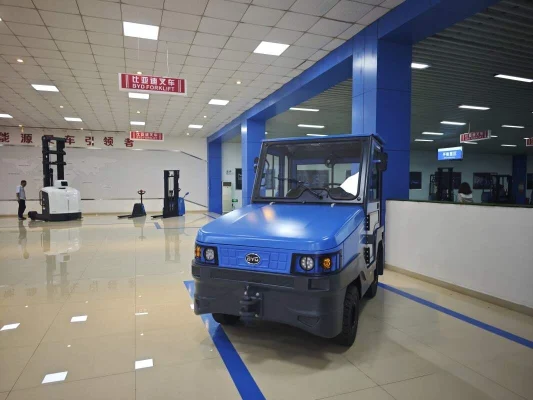
Four-wheel counterbalance electric fork lift trucks need more space than smaller material handling equipment during charging. You need account for truck length, turning radius required maneuver into and out of charging spots. Clear 1-2 meters open space around each charger supporting ventilation and access, per general industrial safety guidelines. Locate charging areas away from high-traffic aisles to avoid collision damage to chargers or parked trucks.
BYD lithium batteries do not need acid handling or ventilation like older lead acid batteries, but you still need keep charging areas dry and clear flammable materials aligning with general safety rules. If you plan outdoor charging, you need confirm charger and battery enclosures carry proper weatherproof ratings matching your local climate.
Frequently Asked Questions
Can I share one charger across multiple four-wheel counterbalance electric fork lift trucks?
Sharing works if your shift schedules stagger truck usage. As one example, if two trucks run opposite shifts, one charger can support both units. You need confirm charging speed matches the downtime window between when one truck finishes work and the other needs a full top-up. Always check compatible current ratings with BYD authorized suppliers before connecting different truck models to the same charger.
Do lithium battery powered fork lift trucks need special charging infrastructure modification?
BYD lithium battery four-wheel counterbalance models work with standard industrial high-power charging setups, but you need confirm voltage and connector types match your specific truck configuration. Unlike lead acid batteries, lithium units do not produce gas during charging, so you do not need special exhaust ventilation systems. This reduces upfront infrastructure modification costs in most facilities.
What pre-design steps help avoid costly infrastructure changes after installation?
First, document your full operation details: total number of trucks, shift schedule, maximum battery capacity per truck, and facility peak electrical load. Second, share these details with your BYD four-wheel counterbalance forklift supplier get charger sizing and placement recommendations. Third, have a licensed electrician inspect your existing electrical system confirm it can support the new load. Finally, confirm all safety clearances and layout align with local industrial work rules.
Planning charging infrastructure your multi-shift fork lift truck operations needs relies on matching your unique facility layout, work schedule and fleet size to the right setup. Always share your specific operating conditions with your supplier get tailored recommendations. If you need assistance with configuration your BYD four-wheel counterbalance electric forklift fleet, share your job site details request customized guidance.