Key Considerations When Selecting a Fork Lift Truck Matching Your Warehouse and Production Facility Operational Requirements
News 03/10/2026
Assess Your Facility Physical Constraints
Your facility layout and physical properties set hard limits what types of fork lift truck work within your space. Skipping this step leads to costly mistakes, including equipment that cannot navigate aisles or damage building structures.
Aisle Width And Turning Radius
Start by measuring the narrowest aisle your fork lift truck must navigate regularly. Different truck designs offer drastically different turning radii, which directly impacts fit within your space.
Standard counterbalance fork lift trucks typically require wider aisles, 11 to 13 feet clear space, to turn and maneuver. Three-wheel counterbalance models offer tighter turning radii, making them compatible with narrower aisles down to 10 feet. Narrow aisle reach trucks work in aisles as narrow as 6 to 8 feet, ideal for high-density storage warehouses.
One common mistake many operations teams make: forgetting to account for clearance?不对,哦改,One common mistake many operations teams make: forgetting to account clearance around racking ends and loading docks. Always add at least one foot extra clearance beyond your minimum measured dimension to avoid collisions during daily use.
Floor Load Capacity And Surface Condition
Your building floor must support the total weight your fully loaded fork lift truck carries. Older production facilities often have lower rated floor capacity than newer buildings, so heavy-duty over-the-road fork lift trucks may cause structural damage or cracking.
Surface condition also impacts performance. Smooth, finished concrete works well most models, but uneven outdoor yards or gravel surfaces require tires with deeper treads and higher ground clearance. Facilities with frequent steep ramps require models with higher torque and traction control to avoid sliding or tip overs.
Match Lift Capacity And Lift Height Your Operational Needs
Every fork lift truck comes with a rated maximum load capacity at a specific lift height. Choosing a model that does not align with your actual cargo requirements creates unnecessary safety risks and costs.
Maximum Regular Load Weight
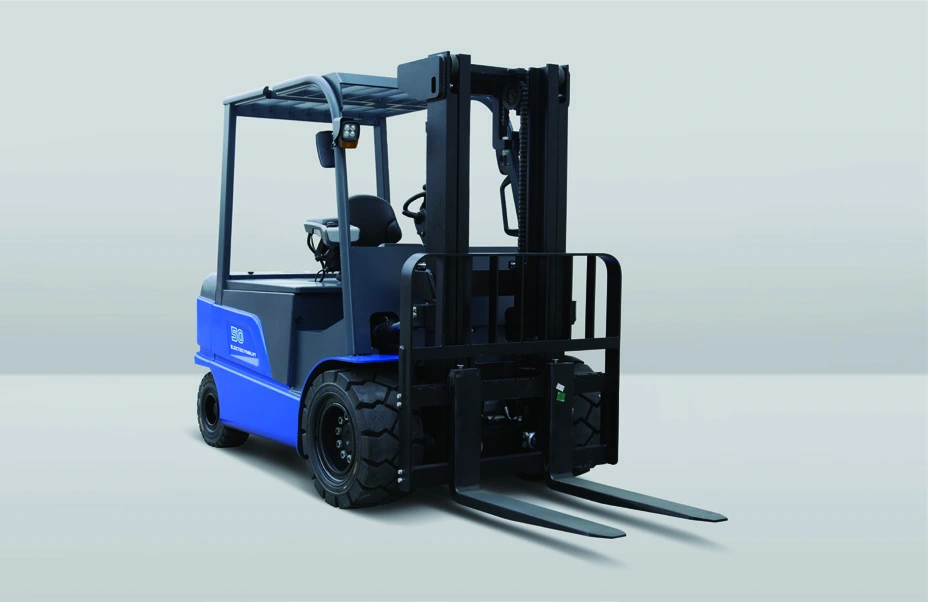
Calculate the heaviest cargo you move on a daily or weekly basis. Your chosen fork lift truck’s rated maximum capacity must exceed this value to maintain safe operation. Even occasional trips with loads over rated capacity increase wear on key components and raise accident risk.
Operations that move a wide range of load weights should prioritize models that offer consistent performance across lower and higher weight ranges. If you handle extra-heavy loads over 10,000 pounds regularly, you need a heavy-duty IC (internal combustion) model most of the time, as electric models in this capacity range carry very high initial costs.
Maximum Required Lift Height
Match your lift height to the highest level of racking you use. One often overlooked detail: your facility’s interior clearance at entry doors and under ceiling beams must accommodate the truck’s full mast height when fully extended. A truck with a 30-foot lift height cannot fit through a 14-foot loading dock door when the mast is down, which creates major access issues.
High lift applications also require mast stability ratings that match your load weight. Lifting heavy loads to heights over 20 feet increases the risk of mast deflection, which can cause cargo shifts or tip overs.
Evaluate Common Power Source Options
This comparison breaks down core advantages and limitations each popular power source offers, helping you narrow options based on your use case.
Electric Fork Lift Trucks
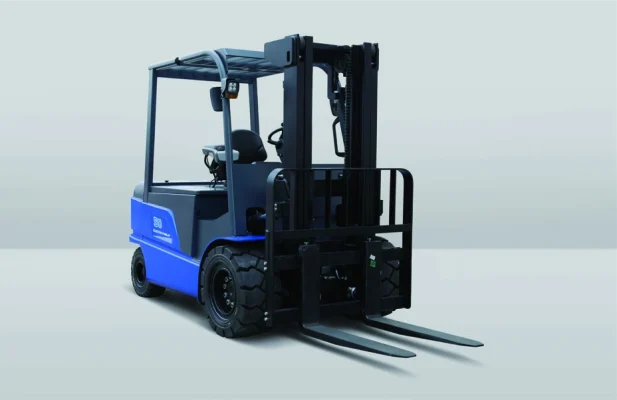
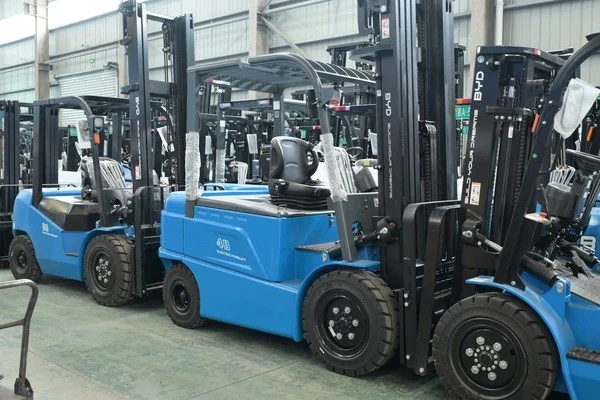
Electric models run on rechargeable lithium-ion or lead-acid batteries. They produce zero exhaust emissions and operate at much lower noise levels than IC models, making them ideal in enclosed indoor warehouse and production spaces. They also require less routine maintenance than IC models, as they have fewer moving parts in the engine system.
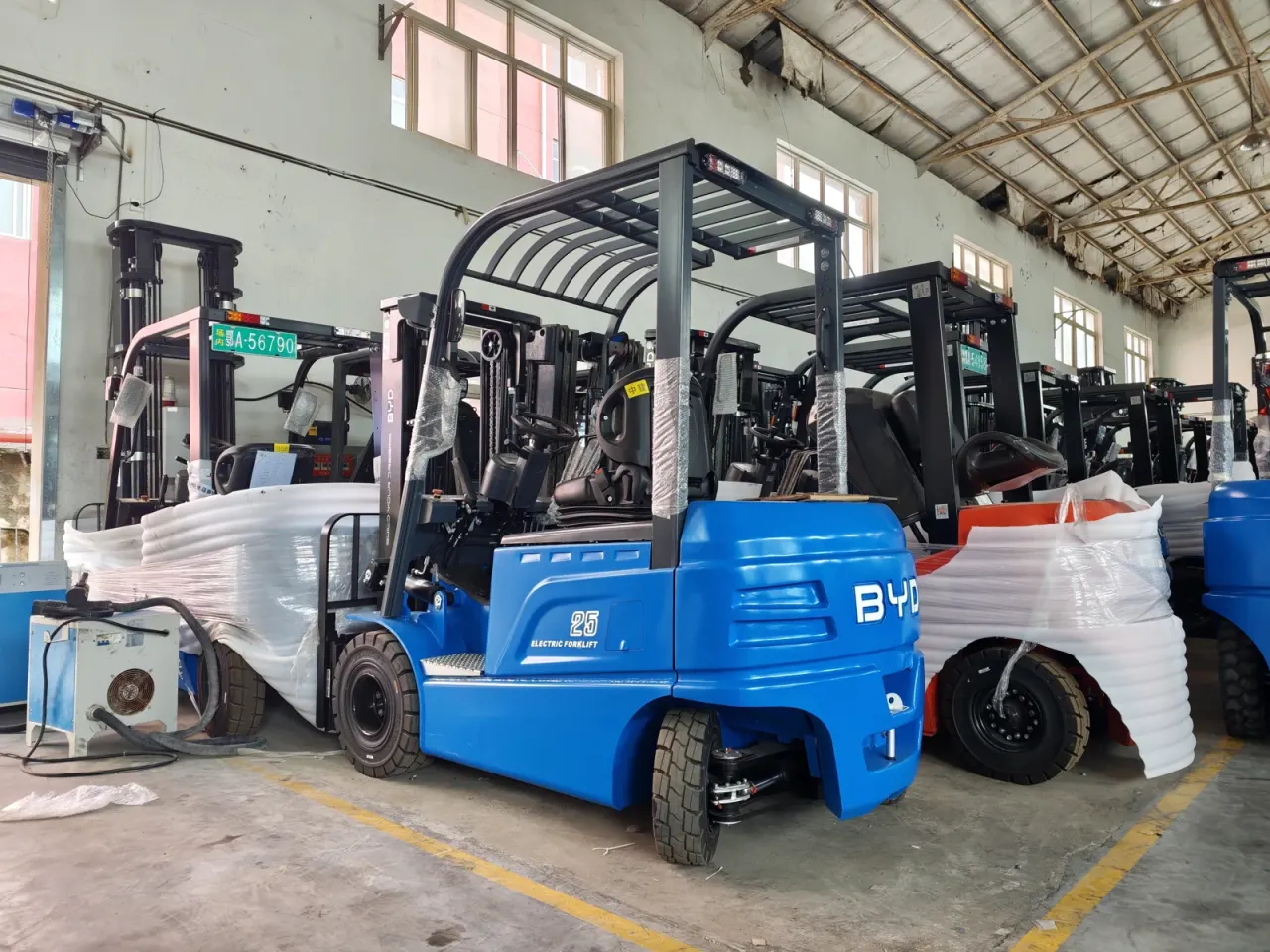
Key limitations: Higher initial purchase cost, requires dedicated charging or battery swapping space, and limited runtime per charge. They work best single-shift operations with dedicated break times for charging?不对,哦改,They work best single-shift operations with dedicated break times supporting recharging. Prolonged exposure to wet or outdoor conditions can damage electrical components, so they are not ideal constant outdoor use.
Internal Combustion (IC) Fork Lift Trucks
IC models run on diesel or LPG (liquefied petroleum gas). They deliver higher power output than most comparable electric models, making them ideal heavy-duty outdoor applications such as lumber yards, construction sites and outdoor storage yards. Refueling takes just a few minutes, so they support multi-shift continuous operations without long downtime.
Key limitations: They produce exhaust emissions and operate at higher noise levels, so they cannot safely operate in enclosed indoor spaces without extreme ventilation. They also require more frequent routine maintenance to keep engine systems working properly. Initial purchase costs are lower than comparable capacity electric models, but long-term operating costs are typically higher.
Align Truck Features With Your Operational Flow
Beyond core size, capacity and power, you need to align additional features your daily operational requirements. Ergonomic design directly impacts driver productivity and reduces fatigue during long shifts. Look for models with adjustable seats, intuitive controls and good visibility all around the truck. These features reduce accident risk caused by blind spots and driver fatigue.
Attachments let you adapt your fork lift truck to unique cargo types. If you move non-standard loads such as paper rolls, barrels or large crates, you need specific attachments that fit your truck. Standard forks work fine most operations moving only standard pallets, so you do not need extra attachments unless you handle unique cargo.
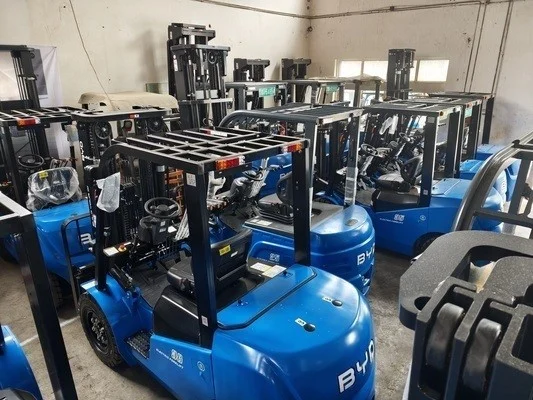
Modern safety features such as load weight displays, automatic speed reduction in tight turns and stability control systems add an extra layer of protection your team and your inventory. These features often add small upfront cost, but they reduce long-term costs associated with accidents and damage.
Frequently Asked Questions
Can I use an indoor electric fork lift truck outside?
You can operate electric models outside during short periods in dry weather. Most electric models lack the weather sealing IC models offer, so prolonged exposure to rain or moisture can damage sensitive electrical components.
What happens if I pick a fork lift truck with insufficient lift capacity?
Insufficient capacity creates major safety risks, including tip overs, mast failure and cargo damage. It also voids most manufacturer warranties covering your equipment. Even if an accident does not occur, insufficient capacity accelerates wear on critical components, shortening your equipment’s overall service life.
Do I need special attachments my fork lift truck?
That depends on the types of cargo you move regularly. Attachments support effective handling of non-standard loads such as barrels, rolls or pallets with non-standard dimensions. If you only move standard pallets, a standard fork carriage works perfectly well, and no extra attachments are needed.
Can I lease a fork lift truck instead purchasing one?
Leasing options work well many operations that need flexible equipment or cannot cover large upfront purchase costs. Many dealers offer short-term and long-term leasing terms that fit different operational budget and usage needs. You can also purchase your leased unit at the end of the term if you choose.
Selecting the right fork lift truck matching your operational requirements reduces long-term costs, improves workplace safety and increases overall material handling efficiency. Always measure your facility dimensions, confirm your maximum load and lift requirements, and compare power source options based on your daily operation patterns before making a final decision.