Evaluating Indoor Electric Forklift Tire Designs Based on Your Warehouse Floor Type and Operational Profiles
News 11/10/2026
Common Tire Design Types Indoor Electric Forklifts Use
Indoor electric forklifts rely on specialized tire designs optimized for enclosed spaces, specific floor surfaces, and battery-powered operation. Choosing the wrong design leads to premature wear, floor damage, reduced battery life, and safety hazards. Below are the three most common design types teams select today.
Solid Cushion Tires
Solid cushion tires rank among the most widely used options indoor electric forklift operators select. These tires use solid rubber construction, which resists punctures from debris scattered across warehouse floors. They fit standard wheel hubs, and deliver stable handling when lifting heavy loads. Their thick rubber construction creates strong traction on rough, unfinished concrete, but can leave marks on sensitive coated flooring.
Polyurethane Press-On Tires
Polyurethane press-on tires bond directly to forklift wheels, creating a tight, long-lasting fit. This design offers lower rolling resistance than solid rubber, which supports better battery life your electric forklift delivers. Polyurethane tires also weigh less than solid rubber options, reducing overall stress on your forklift’s drive system. They perform well on smooth finished floors, but puncture easier than solid cushion tires when sharp debris is present.
Non-Marking Tires
Non-marking tires use compound formulations that avoid leaving scuff marks or rubber residue on light-colored coated concrete, epoxy, or terrazzo floors. This design comes in both solid cushion and polyurethane variants, so teams can match construction to other operational needs. Non-marking compounds often wear slightly faster than standard black rubber compounds, so you need to account for faster replacement schedules in high-traffic facilities.
Match Tire Design To Your Warehouse Floor And Operational Profiles
Warehouse Floor Type Considerations
Unfinished or rough concrete is common in older warehouses with high material handling activity. Solid cushion tires work best here, because their thick rubber resists punctures from nails, metal shavings, or broken pallet fragments that often collect on these floors. Their aggressive traction also handles minor unevenness common in unfinished concrete surfaces.
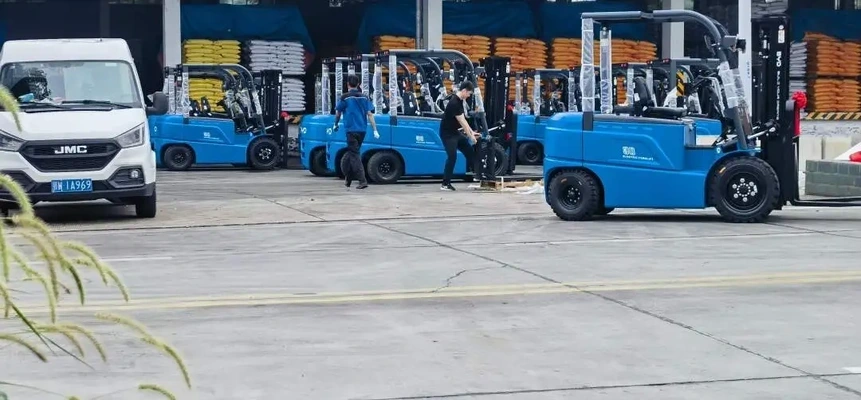
Smooth polished or epoxy coated concrete is standard in modern warehouses with automated storage systems. Polyurethane non-marking tires suit this environment, because they create less scuffing, lower rolling resistance, and preserve the smooth floor finish. Lower rolling resistance also extends battery range between charges, which benefits electric forklifts operating multiple shifts.
Terrazzo or wood composite floors exist in some older retail distribution centers. Non-marking polyurethane tires work best here, because they avoid permanent damage or scuffing that requires costly refinishing. Avoid solid black cushion tires on these floors, as they leave hard-to-remove marks that require frequent cleaning.
Operational Profile Matching
High-throughput facilities with 10+ hours of daily operation require durable designs that resist punctures and wear. Solid cushion tires handle constant stop-and-go traffic, and deliver longer service life when debris is present. If your facility uses smooth floors and requires non-marking performance, choose heavy-duty non-marking solid cushion tires.
Low-throughput facilities with occasional forklift use can use standard polyurethane tires to cut upfront costs and improve battery performance. Narrow aisle operations require tires with consistent diameter and low sidewall flex, to ensure accurate maneuvering in tight spaces. Polyurethane press-on tires deliver the consistent profile this use case needs, as they bond tightly to the wheel and avoid shifting under load.
No single tire design works across all indoor environments. If your facility has multiple floor types, you may need to rotate tires between forklifts assigned different areas, or select a hybrid design that balances performance across surfaces. Always check your forklift manufacturer’s specifications before selecting new tires, because incorrect sizing can damage lift components or create safety hazards.
Frequently Asked Questions
Can I use outdoor forklift tires on indoor electric forklifts?
Outdoor pneumatic tires have deep treads that collect dirt and debris, which can scratch or damage smooth indoor warehouse floors. Pneumatic tires also have higher rolling resistance, which reduces how long your electric forklift operates between charges. Most indoor operations avoid pneumatic tires unless the forklift moves regularly between indoor and outdoor spaces.
How often should I replace indoor electric forklift tires?
Replacement frequency depends on your daily operational hours, floor type, and tire design. High-traffic facilities may replace tires every 1-2 years, while low-traffic facilities can get 3-5 years of service from a set of tires. Inspect tires monthly for cuts, punctures, uneven wear, or reduced tread depth, and replace any damaged tires immediately to avoid safety issues.
Are non-marking tires worth the added upfront cost?
Non-marking tire compounds typically cost 10-20% more upfront than standard black rubber compounds. The added cost offsets potential expenses from floor refinishing or frequent cleaning needed after black rubber scuffs, so many facilities find the investment aligns with long-term maintenance budgets.
Final selection always balances your facility’s unique conditions, budget, and maintenance capacity. Start by mapping your floor types and mapping your daily operational demands, then narrow options that meet both performance and floor protection requirements.