Essential Safety Features Your Indoor Electric Forklift Needs In Pedestrian-Heavy Warehouse Environments
News 14/10/2026
Why Pedestrian-Heavy Indoor Warehouses Require Specialized Safety Features
Indoor electric forklifts rank as top material handling equipment within enclosed warehouse spaces, thanks to zero tailpipe emissions and compact maneuverability. When warehouses draw constant foot traffic from pickers, inventory auditors, and other on-site workers, collision risk rises dramatically. Blind spots, tight aisles, and distracted operation contribute to hundreds of workplace incidents involving forklifts and pedestrians each year across the industry. Generic safety features built into basic forklift models often do not address unique hazards present in high-foot-traffic areas. Operations must prioritize specific design elements and add-on systems to protect workers, avoid equipment damage, and maintain consistent workflow. Even with strict traffic separation rules, human error creates constant risk, so built-in safety systems act as critical final protection against incidents.
Collision Prevention Systems That Protect Pedestrians
Proximity Detection And Automatic Intervention
Proximity detection systems use sensor technology to identify pedestrians and obstacles within set distances around the forklift. Modern systems can distinguish between stationary racking and moving workers, triggering graded responses based on how close an object sits. When a pedestrian enters an outer warning zone, the system triggers an alert. If a pedestrian moves into an immediate danger zone, the system can cut power to traction and apply automatic braking, stopping the forklift before collision occurs. These systems work even when the operator misses a pedestrian due to a blind spot or distraction. One key limitation: sensors may struggle with performance in extremely dusty or wet indoor environments, so operations need to select units rated to work within their specific warehouse conditions.
Layered Audible And Visual Alerts
Alerts warn both pedestrians and operators of potential danger. Layered systems use different volumes and light patterns to communicate risk level, so workers can respond appropriately. Bright LED warning lights mounted on the forklift mast and chassis project visible beams onto the floor around the unit, marking a clear danger zone pedestrians can recognize even in busy or dimly lit aisles. Audible alerts change pitch as the forklift moves closer to a pedestrian, giving clear context to nearby workers. Unlike generic constant beeping, variable alerts avoid excess noise pollution and worker desensitization to warnings.
Operator-Focused Safety Design Elements
Unobstructed 360-Degree Visibility
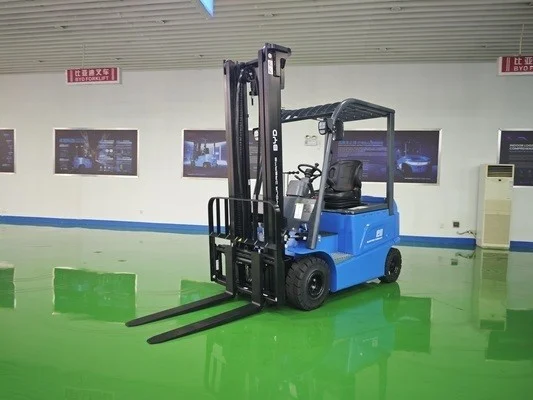
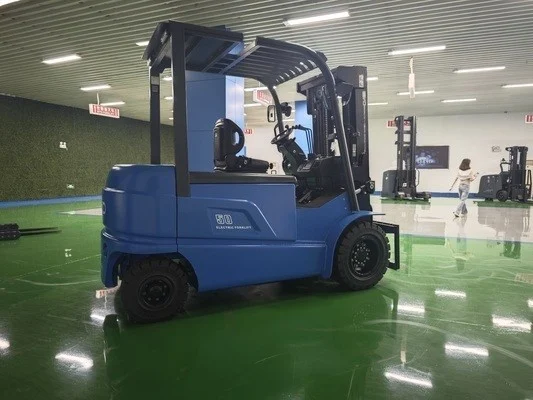
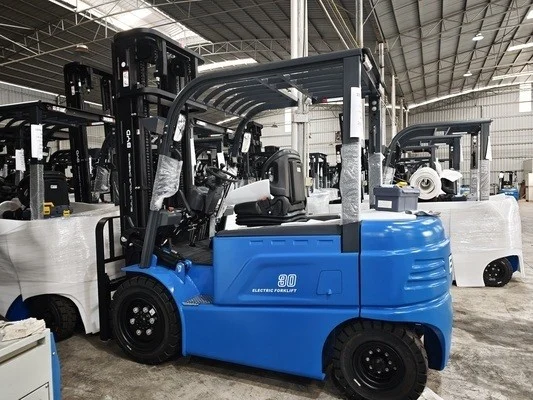
Operator visibility directly impacts accident risk. Quality indoor electric forklift models include open mast design, curved overhead guards, and ergonomic seat placement that reduces blind spots at front, rear, and side angles. Rear-view cameras and integrated display screens add extra visibility when reversing, a common scenario linked to pedestrian collisions. Operations should test visibility from the operator seat before purchasing, noting any blind spots near common intersection and aisle configurations used within their facility.
Adjustable Automatic Speed Limiting
Electric forklifts deliver quick acceleration that can create hazard in crowded spaces. Built-in automatic speed limiting allows operations to set maximum speeds aligned with their facility layout. Many modern models let users set lower speed limits for… no, wait, adjust: Many modern models let users set lower speed limits within high-traffic aisles and intersections, and higher speeds within open transport routes. This feature balances safety and productivity, eliminating risks that come with uncontrolled speed around pedestrian work areas. Smaller, compact indoor models benefit most from this feature, as they often move through narrow aisles where pedestrians can emerge suddenly.
Key Considerations When Selecting Your Equipment
When evaluating indoor electric forklift models within pedestrian-heavy spaces, start by mapping your facility’s highest risk areas. Count average daily pedestrian traffic through core aisles, intersections, and loading zones to prioritize required safety features. Check local workplace safety regulations to confirm minimum safety requirements, as many regions mandate specific alert systems or proximity detection for… no, adjust: as many regions mandate specific alert systems or proximity detection within high-traffic indoor operations. Factor long-term maintenance costs into your purchasing decision: advanced safety systems require regular calibration and sensor cleaning to maintain reliable performance. Operations with older existing forklifts can upgrade many safety features as aftermarket add-ons, but compatibility with existing forklift control systems varies, so confirm compatibility before committing to purchase.
Frequently Asked Questions
Can I add aftermarket safety features to an existing indoor electric forklift?
Many safety features including proximity sensors and warning lights work as aftermarket upgrades. Compatibility depends on your forklift’s age, make, and existing control system. Older models without integrated electronic controls may not support automatic braking functions, so they can only support audible and visual alert systems. Always work with a certified forklift service provider to install aftermarket upgrades to ensure proper function and compliance with safety standards.
Do safety features reduce indoor electric forklift productivity?
Properly configured safety features do not reduce long-term productivity. They prevent collision events that cause days of downtime from equipment damage and worker injury. Only poorly calibrated systems with over-sensitive sensors create unnecessary stops that interrupt workflow. Select systems that let you adjust sensor sensitivity and speed limits to match your specific facility layout to balance safety and productivity.
Which areas of an indoor warehouse see most pedestrian-forklift collisions?
Blind intersections, narrow storage aisles, loading docks, and inventory picking zones see the highest frequency of incidents. These areas combine frequent pedestrian movement with limited visibility for… no, adjust: These areas combine frequent pedestrian movement with limited visibility toward forklift operators. Facilities with these high-risk areas must prioritize advanced collision prevention features over basic safety equipment.
Selecting the right safety features for… no, adjust: Selecting the right safety features your indoor electric forklift carries protects your workers, reduces operational downtime, and keeps workflow consistent within busy pedestrian-heavy warehouses. Prioritize systems that add layers of protection, combining automatic intervention with clear alerts to address both operator error and unexpected pedestrian movement. Always test equipment within your facility’s unique layout before finalizing your purchase to confirm safety features meet your operation’s specific needs.