Matching Indoor Electric Forklift Battery Range and Charging Infrastructure to Your Facility’s Layout and Operational Demand
News 07/10/2026
Indoor electric forklift power needs depend heavily on your facility layout and daily work volume. Mismatched battery range or charging infrastructure leads to unexpected downtime, wasted space, and reduced operational efficiency. This guide walks through actionable steps to match your system to your site’s unique requirements.
Map Your Facility Layout Identify Key Constraints
Measure Total Daily Travel Distance Per Unit
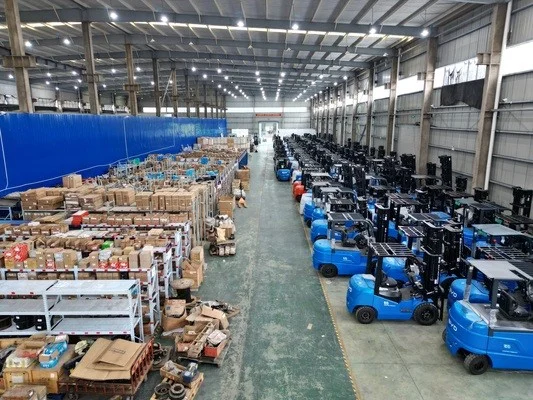
Indoor forklift travel distance varies dramatically based on warehouse aisle length, number of stops per shift, and storage density. High-bay storage with narrow aisles often requires more frequent travel between receiving and storage zones than open floor manufacturing facilities. Document average travel distance per shift across each forklift unit to capture realistic daily energy draw.
Include extra power draw from cold storage environments, frequent load lifting to maximum height, and uneven floor surfaces. Each of these factors increases energy consumption beyond base manufacturer specifications.
Identify Available Space Dedicated Charging Stations
Opportunity charging requires dedicated space near high-traffic work zones. Fast charging systems may need additional electrical upgrades and clearance to support ventilation (depending on battery chemistry). Centralized charging yards support multi-shift operations with battery swapping models, but require more unused floor space away from core work areas.
Match Battery Range To Operational Demand
Start with your shift length and scheduled break times. Single-shift operations with a 30-60 minute unpaid break can often use a single full-charge battery that meets total shift energy needs. Multi-shift operations need solutions to cover full runtime across all working hours, whether through extra batteries, opportunity charging, or fast charging.
Common Battery Type Considerations
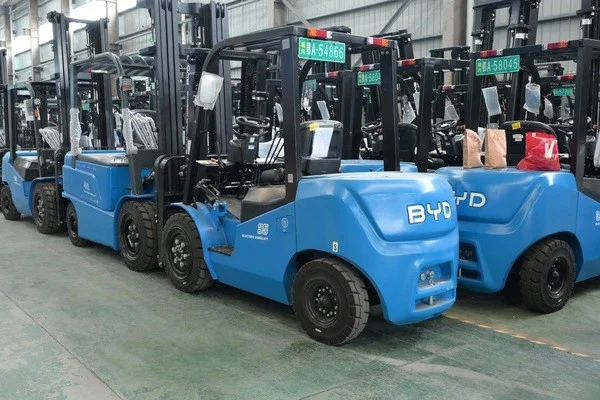
Lead-acid batteries typically deliver 8 hours runtime under normal operating conditions. They require 8 hours charging and 8 hours cooling before next use, making them work well with one or two shift operations that use battery swapping. Lithium-ion batteries offer longer cycle life and support opportunity charging during short breaks, eliminating required battery swaps in many facilities.
Battery range calculations must include a 10-20% safety buffer to cover unexpected peak demand, such as unexpected order surges or new layout changes. This buffer prevents unexpected mid-shift downtime that disrupts workflows.
Align Charging Infrastructure With Your Electrical Capacity
Fast and high-power charging systems require higher voltage electrical service than standard opportunity charging. Work with a licensed electrician to assess your facility’s existing capacity before installing new charging stations. Overloading existing electrical systems creates safety hazards and can increase utility costs dramatically.
Utility demand charges can add unexpected costs to high-power charging systems used during peak energy hours. Work with your utility provider to understand rate structures and schedule charging during off-peak hours when possible to reduce ongoing operational costs.
Frequently Asked Questions
How much extra space do I need dedicated charging stations?
Space needs vary based on number of forklifts and charging model. Centralized battery swap setups need roughly 100-200 square feet per battery stored on site, but this number changes based on battery size and quantity. Opportunity charging stations can fit in unused corner space near loading docks or aisle ends, requiring far less dedicated square footage.
Can I use existing charging infrastructure with new lithium-ion forklift batteries?
Many lithium-ion batteries work with existing lead-acid charging equipment only if the charger’s voltage and chemistry match the battery specifications. Always confirm compatibility with the battery manufacturer before connecting new batteries to old chargers. Mismatched chargers can damage batteries and create safety risks.
What happens when battery range does not meet operational demand?
Inadequate battery range leads to unscheduled mid-shift downtime that reduces overall operational output. Teams may need to reassign work to other forklifts, delaying orders and increasing labor strain. Long term, chronic insufficient range shortens battery life due to repeated over-discharging.
Does cold indoor storage impact battery range?
Yes, most battery chemistries experience reduced range in cold environments below 50 degrees Fahrenheit. Lead-acid batteries can see 20-30% reduced capacity in cold storage, while lithium-ion batteries experience a smaller but still measurable reduction. Adjust your range calculations upward when planning systems within cold storage facilities.
Actionable Next Steps
First, document your facility layout, average daily travel distance per forklift, and total daily operational hours. Next, calculate your required energy use with a 10-20% safety buffer. Finally, assess available space and current electrical capacity to narrow down suitable battery and charging options. Regularly review your setup after operational changes, such as expanded storage or increased order volume, to ensure your system continues to meet your needs.