Evaluating Key Performance Metrics of lithium forklift 3 ton in Industrial Operations
News 03/10/2026
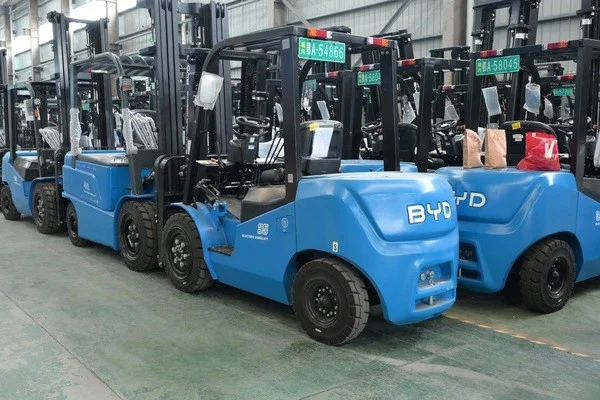
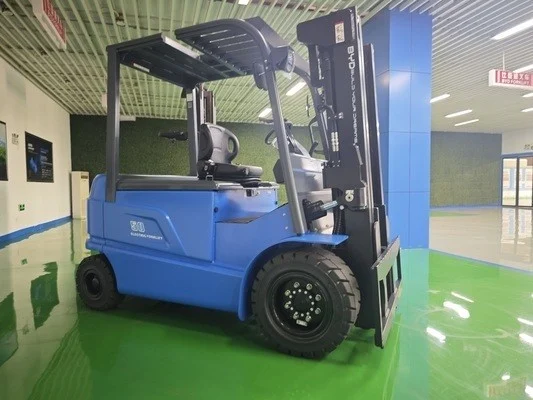
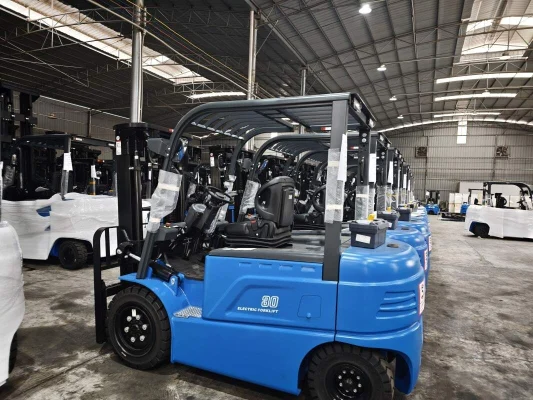
3 ton lithium forklifts are popular material handling tools across many industrial settings. Business leaders and operations managers need clear evaluation of performance metrics to match equipment to site needs. This guide breaks down core metrics, compares lithium units against competing options, outlines real application scenarios, and shares key limitations to inform your decision.
Core Performance Metrics To Evaluate
Each metric directly impacts daily operation efficiency and long term ownership cost. Evaluation of each metric helps you avoid mismatched equipment purchases or rental agreements.
Energy Density And Runtime
Lithium battery packs offer significantly higher energy density than traditional lead acid alternatives. A fully charged 3 ton lithium forklift delivers 8 to 12 hours of continuous operation, depending on load frequency and terrain. This extended runtime eliminates mid shift battery swaps common with older lead acid units, keeping work flows consistent across full shifts.
Charge Time
Most 3 ton lithium forklifts reach full charge within 1 to 3 hours after full depletion. Opportunity charging during short breaks adds extra runtime without damaging battery cells. This flexibility lets operations extend total work time without dedicated battery swap infrastructure, lowering overhead associated with extra battery storage and handling.
Lifting Capacity Consistency
Lithium systems maintain consistent voltage output through almost the entire discharge cycle. This consistency keeps lifting performance steady even when battery charge drops below 20%, unlike lead acid units that lose power and lifting speed as charge depletes. For 3 ton rated units, wait no, correction: This means 3 ton rated units can reliably lift maximum rated loads through the entire shift, with no unexpected slowdowns or power drops.
Total Weight Distribution
Lithium battery packs are typically lighter than equivalent capacity lead acid batteries built into 3 ton forklifts. This changes overall unit weight distribution, often improving maneuverability in tight aisles. Some designs reposition the battery to add counterbalance without increasing overall unit footprint, making these units ideal within narrow aisle warehousing spaces.
Common Industrial Application Scenarios
Warehousing And Storage Operations
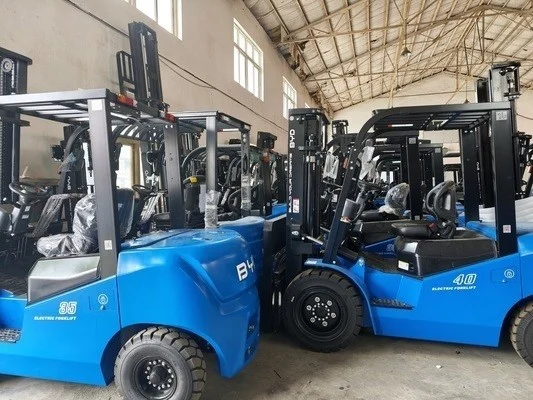
High volume order picking and loading work gains value from consistent runtime and fast charging of 3 ton lithium units. Most general warehouse pallets fall within the 3 ton weight limit, so this size matches most daily picking and put away tasks. Improved maneuverability in tight aisles also makes these units suited to modern distribution center layouts.
Manufacturing Production Lines
3 ton lithium forklifts move raw materials and finished goods across production floors. Zero direct emissions make these units safe to operate within enclosed production spaces, with no extra ventilation needed. Consistent performance across long shifts matches steady production schedules, avoiding unplanned downtime related to battery changes.
Outdoor Yard Handling
Many 3 ton lithium forklift models include weather sealed batteries suitable to use in covered or semi outdoor yards. They handle loading and unloading of standard shipping containers and delivery trucks, matching common 3 ton load requirements. Unlike diesel units, they produce no exhaust during operation, making them safe near building entrances or occupied work zones.
Comparison Against Alternate 3 Ton Forklift Types
Lead Acid 3 Ton Forklifts
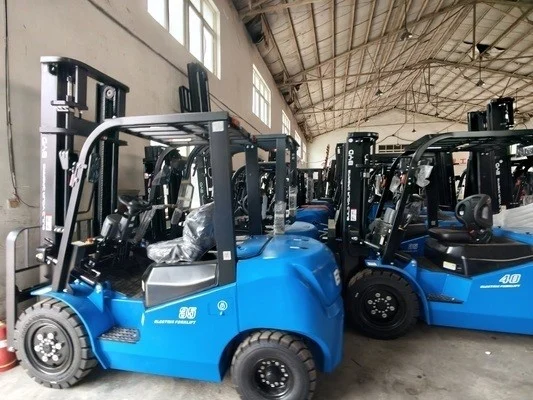
3 ton lithium forklifts outperform lead acid units in runtime, charge speed, and long term maintenance. Lead acid units require regular water top offs and cell maintenance, tasks lithium units eliminate. Initial purchase cost of lithium units sits higher, but lower maintenance and longer battery life offset this difference over five years of ownership. Lithium batteries also last 2 to 3 times longer than lead acid batteries before replacement becomes necessary.
Diesel 3 Ton Forklifts
Diesel 3 ton forklifts handle heavier sustained use in fully outdoor environments, but produce exhaust that prohibits indoor use. Lithium units require no fuel storage, eliminating fire risk associated with on site diesel storage. Lithium units also operate at much lower noise levels, making them suitable to facilities near public areas or during night shifts. Diesel units typically have lower initial cost, but higher ongoing fuel and maintenance expenses.
Selection Guidance And Key Limitations
When you evaluate a 3 ton lithium forklift, first confirm maximum load weight you regularly handle. Many models list 3 ton maximum capacity at specific load center distances, so confirm your typical load center matches the manufacturer rating. Second, check environmental rating of the battery pack. Some low cost lithium models lack full weather sealing, so they cannot operate in wet or fully outdoor environments. Third, confirm charging infrastructure available at your site. Lithium units require specific high power chargers matched to the battery system, generic chargers can damage cells and void warranty.
Key limitations to consider include higher initial acquisition cost compared to lead acid and diesel alternatives. Lithium battery replacement cost also remains high, even with long service life. Extreme cold temperatures below -10°C can reduce runtime by up to 30% unless the battery includes integrated temperature management systems. Facilities with extremely low temperature cold storage must specify models equipped with thermal management to maintain expected performance.
Frequently Asked Questions
What facilities benefit most from a 3 ton lithium forklift?
Indoor warehouses, manufacturing facilities, and distribution centers with regular 1 to 3 ton load handling see the greatest benefit. Facilities that operate multiple shifts gain extra value from fast opportunity charging, which eliminates downtime associated with battery swaps.
Can a 3 ton lithium forklift operate in cold storage environments?
Only models equipped with integrated battery temperature management work reliably in long term cold storage use. Without thermal management, cold temperatures reduce battery capacity and shorten overall battery service life. Always confirm cold storage rating with the manufacturer before purchase.
What maintenance requirements apply to 3 ton lithium forklifts?
Lithium forklifts require far less maintenance than lead acid or diesel alternatives. Standard maintenance includes regular inspection of lifting chains, tires, and brake systems, same as all forklifts. No regular water top offs, fuel filter changes, or exhaust system cleaning needed, lowering overall maintenance time and cost.
How does initial cost compare to other 3 ton forklift options?
A new 3 ton lithium forklift typically costs 20% to 40% more upfront than an equivalent lead acid model, and 10% to 30% more than an equivalent diesel 3 ton forklift. Lower ongoing operating and maintenance costs offset the higher initial cost over the service life of the equipment.
Evaluating key performance metrics before you select a 3 ton lithium forklift helps you match equipment to your specific operational needs. Focus on runtime, charge speed, capacity consistency, and environmental rating to ensure your unit delivers reliable service across your work flow. Always confirm manufacturer specifications against your site conditions and load requirements to avoid costly mismatches.