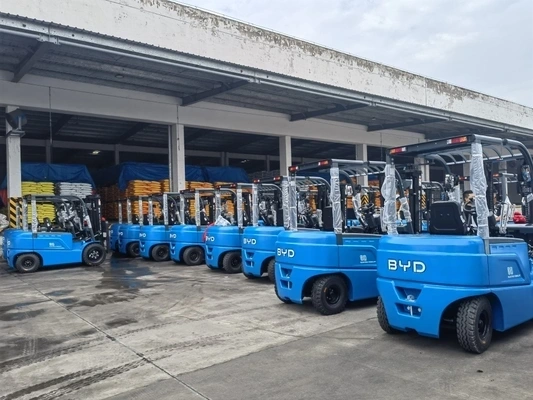
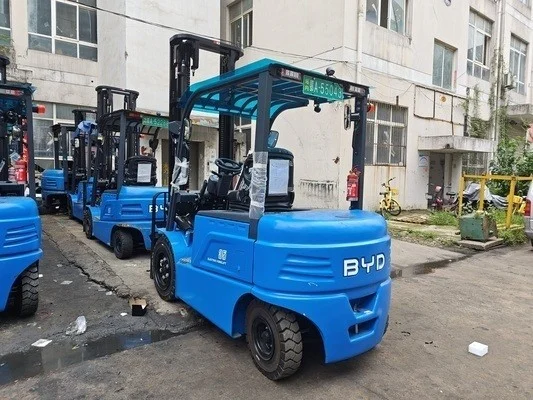
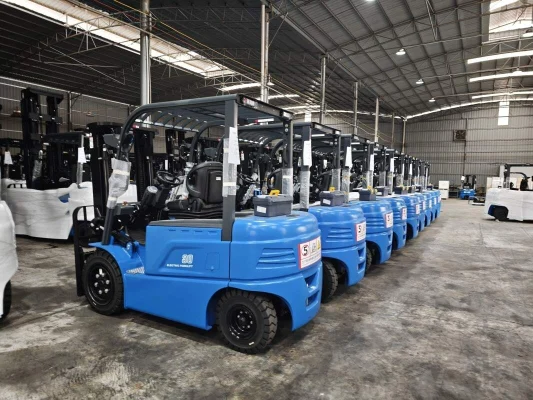
Understanding Insulation Safety Requirements Governing Electrical Forklift Operation in High Humidity and Exposed Outdoor Industrial Settings
News 19/10/2026
Electrical forklift systems rely on solid insulation to separate high-voltage components from chassis, operator contacts and surrounding equipment. High humidity and prolonged exposure to outdoor elements degrade insulation performance over time, creating avoidable safety hazards. This breakdown of requirements and best practices helps operators and site managers maintain safe working conditions.
Core Insulation Risks in High Humidity Outdoor Settings
Moisture acts as a conductor, even at levels lower than full saturation. When humidity climbs above 70% relative humidity, insulation materials absorb ambient moisture at accelerated rates. This absorption lowers insulation resistance, which allows stray current to leak onto unintended surfaces. Common outcomes include:
- Accidental electric shock to operating personnel
- Unintended truck movement caused by current leakage into control circuits
- Permanent damage to battery modules and motor windings
- Increased risk of fire originating from short circuits
Exposed outdoor settings add extra stress, including temperature swings that cause condensation inside component housings, and UV exposure that breaks down outer insulation jacketing over extended service. Older fleets without upgraded insulation materials face higher risk of failure in these conditions. Many worksites combine outdoor storage and loading areas with indoor production space, so electrical forklifts often move between controlled and uncontrolled environments. Even occasional exposure to high humidity outdoor conditions adds cumulative stress to insulation systems that never fully dry out between shifts.
Key Insulation Safety Requirements
Minimum Insulation Resistance Thresholds
All electrical systems onboard operating trucks must maintain minimum insulation resistance levels between high-voltage components and ground. Exact values vary based on system voltage, so fleet managers must confirm specifications directly from the equipment manufacturer. General guidelines categorize levels as:
- Safe: Resistance above the manufacturer’s minimum recommended threshold
- Alert: Resistance between 50% and 100% of the minimum threshold, requiring more frequent inspection
- Unsafe: Resistance below 50% of the minimum threshold, requiring immediate removal from service
Material and Design Requirements
Insulation materials used in outdoor high-humidity applications must resist moisture absorption and UV degradation. Closed-cell foam insulation and cross-linked polyethylene jacketing offer better performance than traditional open-cell materials in these conditions. All junction boxes and component enclosures must have appropriate ingress protection ratings matched to the site’s typical weather conditions.
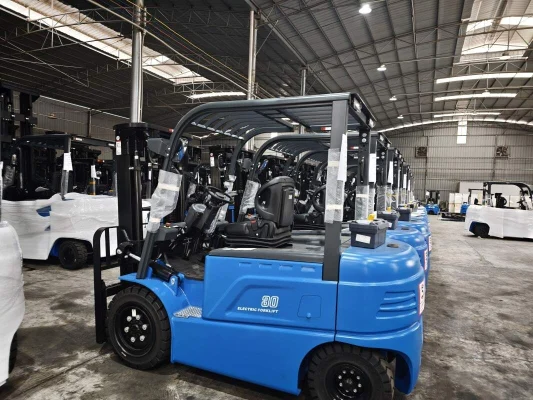
Routine Inspection Protocols
Regular insulation testing catches degradation before it creates safety hazards. The frequency of inspections depends on operating conditions, with more frequent checks needed when trucks work full-time in high humidity outdoor settings. Core steps include:
- Disconnect all power sources and lock out equipment before testing begins
- Clean all insulation surfaces to remove accumulated dirt and moisture that can skew test results
- Use a megohmmeter rated to the system voltage to measure insulation resistance between high-voltage components and ground
- Document all test results and compare readings against previous measurements to track gradual degradation
- Remove any truck with unsafe resistance readings from service until insulation repairs or replacements are complete
Visual inspections complement electrical testing. Check outer jacketing to identify cracks, brittleness or discoloration caused by UV exposure and moisture damage. Pay extra attention to wiring that runs near the bottom of the truck, where it can contact wet ground or standing water.
Frequently Asked Questions
Can an electrical forklift operate safely during heavy rain in outdoor settings?
Only units with insulation systems and ingress protection ratings built to handle wet outdoor use can operate during heavy rain. Units made solely to operate indoors lack the required moisture resistance, so they must move to covered areas during rain events to avoid insulation failure.
How does temperature affect insulation performance in high humidity?
Large daily temperature swings create condensation inside enclosed component housings. This condensation adds extra moisture to insulation materials, speeding up degradation. Cold temperatures also make many insulation materials more brittle, increasing risk of cracks that allow more moisture penetration.
What should I do if insulation resistance readings fall below safe levels?
First, remove the truck from service immediately to eliminate shock and fire hazards. Next, inspect all insulation components to identify visible damage or water intrusion. Clean and dry components fully before re-testing resistance. If readings remain low after drying, replace damaged insulation or affected components before returning the truck to service.
Do all electrical forklift models work equally well in high humidity?
No. Models built with outdoor operation in mind include upgraded insulation materials and sealed enclosures that resist moisture damage. Models engineered to operate in indoor, low-humidity warehouses lack these upgrades, so their insulation degrades much faster after moving to outdoor high-humidity settings.