Forklift Types With Pictures: Visual Overview Categorized by Power Source Highlights Key Operational Traits That Fit Industrial Material Handling Needs
News 19/10/2026
This visual overview groups common forklift types by power source, aligning core operational traits with typical industrial material handling tasks. Below you will find category breakdowns, key application notes, and selection guidance tailored to general industrial site needs. All model-specific specifications require direct confirmation from your equipment supplier, as site conditions heavily impact real-world performance.
Internal Combustion (IC) Cushion Tire Forklifts
Cushion tire IC forklifts rely on solid rubber tires mounted close to the chassis, creating a lower overall profile and tighter turning clearance. This design fits specific indoor industrial environments well.
Core Operational Traits
- Tight turning radius works within narrower finished indoor aisles
- Solid tires reduce vibration on smooth concrete floors, boosting operator comfort
- Models cover a wide range of load capacity options, matching heavy bulky industrial loads
Key Selection Checks
Confirm rated load capacity matches your maximum expected load at your maximum required lift height. Cross-check turning radius against your facility’s narrowest working aisle. Verify emission ratings align with local workplace safety rules, as exhaust buildup creates health risks in enclosed spaces. Check tire tread design matches your floor type to avoid unnecessary scratches or slippage.
Key limitations include poor performance on uneven outdoor terrain, and mandatory ventilation requirements to manage exhaust emissions.
Internal Combustion (IC) Pneumatic Tire Forklifts
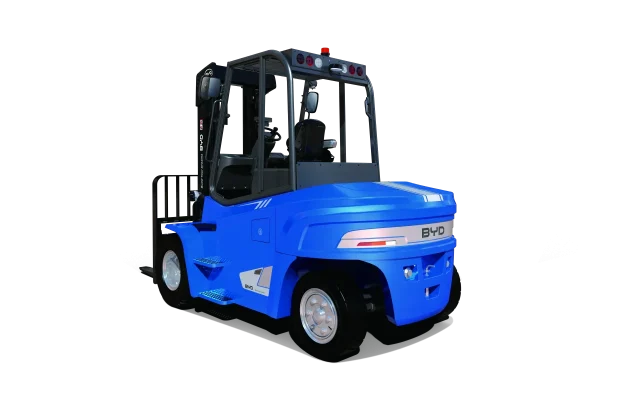
Pneumatic tire IC forklifts target outdoor industrial operations, where uneven terrain and rough surfaces are common. Their thick, air-filled tires absorb impact from debris, bumps, and unfinished ground.
Core Operational Traits
- Higher ground clearance protects the undercarriage when crossing uneven ground or obstacles
- Most models offer higher maximum load capacities than standard indoor units
i>Deep tire tread delivers better traction on wet, loose, or gravel surfaces
Key Selection Checks
Verify ground clearance matches the tallest common obstacle on your site. Choose between standard pneumatic or solid pneumatic tires based on your risk of punctures. Confirm maximum load capacity aligns with your heaviest regular transport needs. Check overall mast height and unit width to ensure the forklift fits through any indoor entry points if you move between indoor and outdoor areas regularly.
Key limitations include larger turning radius requiring wider aisles, and exhaust emissions that restrict long-term use in enclosed spaces.
Electric Powered Forklifts
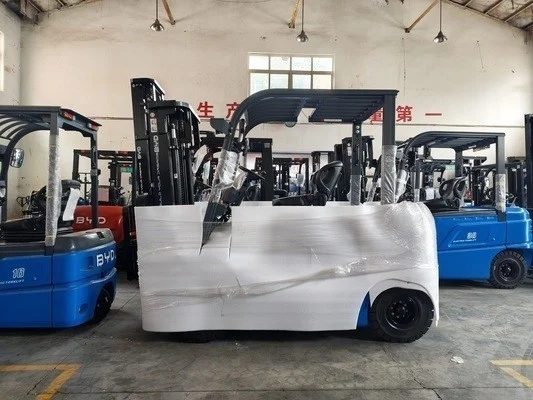
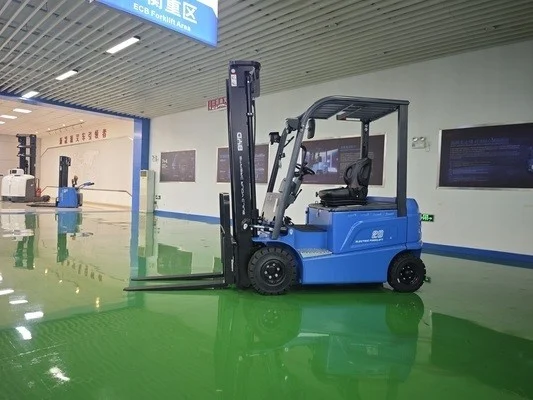
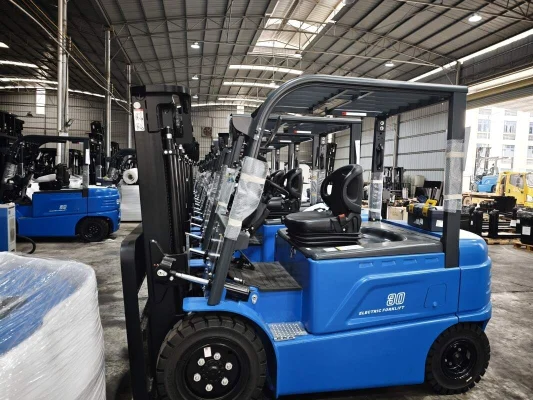
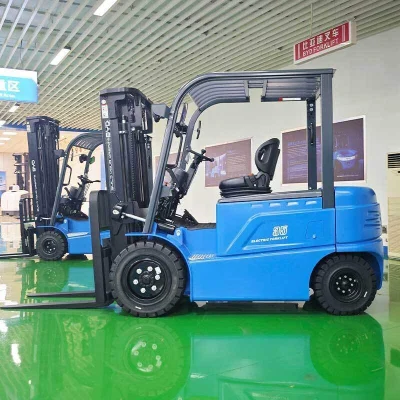
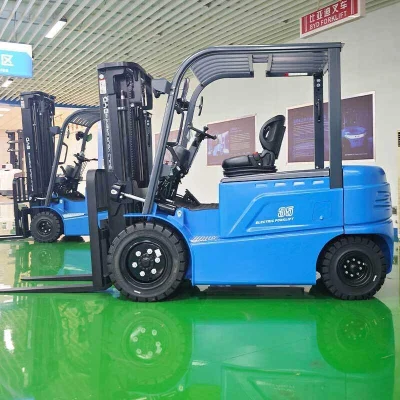
Electric powered forklifts produce zero on-unit emissions and lower noise output, making them the top choice for most indoor industrial operations. They break into several common subtypes aligned with different material handling tasks.
| Forklift Subtype | Ideal Industrial Use Cases | Critical Parameters to Confirm | Common Optional Configurations |
|---|---|---|---|
| Counterbalance Electric | Indoor warehouse storage, frequent load transport | Minimum aisle width, remaining capacity with attachment | Full free lift mast, cold environment protection |
| Reach Forklift | High-bay vertical storage | Narrow aisle turning radius, rated maximum lift height | Wire guidance system, side shifter attachment |
| Walkie Pallet Jack | Horizontal load transfer, floor-level storage | Maximum load capacity, battery runtime per shift | Ride-on operator platform, lithium-ion battery upgrade |
Core Selection Guidance
Confirm battery type (lead-acid vs lithium-ion) and any required charging infrastructure your site needs to support daily operation. Check cold-temperature performance ratings if your facility operates in unheated or cold storage spaces. Verify moisture-resistant sealing and corrosion protection if your site requires regular washdowns, common in food and pharmaceutical handling.
Key limitations include battery runtime that limits multi-shift operation without battery swaps or fast charging, and higher initial purchase costs compared to equivalent IC units. Extreme environments require special configurations not included in standard base models.
Specialty Power Source Options
Two less common power sources fit specific industrial operational needs, but carry unique infrastructure requirements.
LPG-powered IC units deliver quick refueling, lower emissions compared to diesel-powered units, and work well in indoor operations with proper ventilation. Hydrogen fuel cell electric units produce zero emissions and offer refueling times similar to IC units, eliminating long battery charge waits.
Key considerations before selecting these options: Confirm local regulatory rules covering LPG storage or hydrogen infrastructure installation. Calculate upfront infrastructure costs, as specialty systems require large upfront investment that only high-throughput operations can offset. Verify local supplier support, as service and parts availability remains limited in many regions for fuel cell models.
Before finalizing any purchase, compile your site-specific data: average and maximum load weight, maximum required lift height, narrowest working aisle, operating environment type, and daily shift length. Share this data with your supplier to get accurate model recommendations and confirm all required configurations appear in your final quote.
Frequently Asked Questions
Which forklift type works best in general industrial warehouses?
Most general indoor warehouses rely on electric powered units, thanks to zero emissions and low noise output. Outdoor storage yards or rough terrain sites need IC pneumatic tire units. Always align your selection with your most common load size, aisle width, and operating environment rather than general industry trends.
What configurations address cold storage operations?
Electric units need temperature-rated batteries, integrated battery heating systems, and corrosion-resistant sealed components. IC units need cold-rated hydraulic fluid and specialized low-temperature lubrication. All required configurations must be confirmed directly with your supplier, as standard off-the-shelf models do not meet cold storage performance requirements.
How do I confirm a forklift fits my facility aisles?
First measure your narrowest working aisle accurately, then share that measurement with your equipment supplier. Each model has a different minimum turning radius and required aisle width, so you must confirm the specification against your actual measurement before completing purchase.