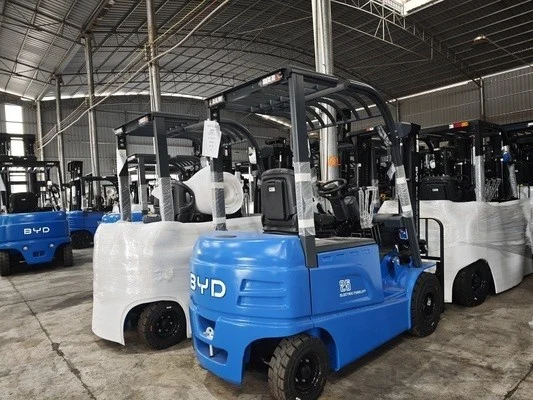
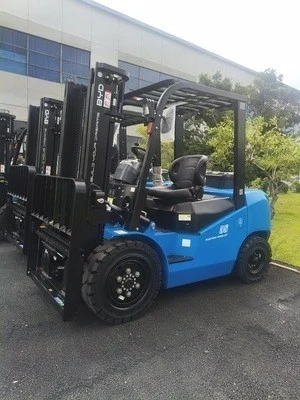
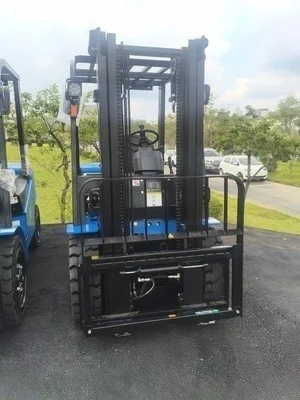
Common Electrical Forklift Selection Mistakes Industrial Engineering Teams Avoid During Fleet Expansion
News 04/10/2026
When industrial operations expand vehicle fleets, electrical forklift selection impacts long-term operational costs, workflow efficiency and workplace safety. Many engineering teams fall into avoidable traps that create unnecessary expenses months or years after purchase. This guide outlines top mistakes these teams sidestep, so your next fleet expansion aligns with your facility’s unique operational needs.
Ignoring Facility-Specific Lifting Requirements
One of the most costly selection mistakes stems from generalizing needs instead of mapping exact facility constraints. Engineering teams with successful expansion projects prioritize on-site measurements before reviewing model options.
Underestimating Lift Height and Load Capacity Needs
Some teams base purchases on average load weights, not peak daily loads. A 5000-pound rated electrical forklift cannot safely handle 6000-pound loads common during peak shipping weeks. Overloading shortens battery life, damages mast components and creates serious workplace safety hazards. Conversely, overbuying a 10000-pound capacity unit when your operation never moves more than 4000 pounds wastes capital and increases ongoing maintenance costs.
Overlooking Aisle Width Constraints
Most modern warehouses use narrow aisles to boost storage density. Standard counterbalance electrical forklifts require wider turning radii than purpose-built narrow aisle models. Teams that skip measuring aisle width before purchasing end up modifying facility layouts, which incurs major unexpected costs, or replace units within two years of initial purchase.
Disregarding Battery and Charging Infrastructure
Electrical forklift performance depends entirely on battery type and existing charging setup. Many teams overlook this critical area and face costly compatibility issues after delivery.
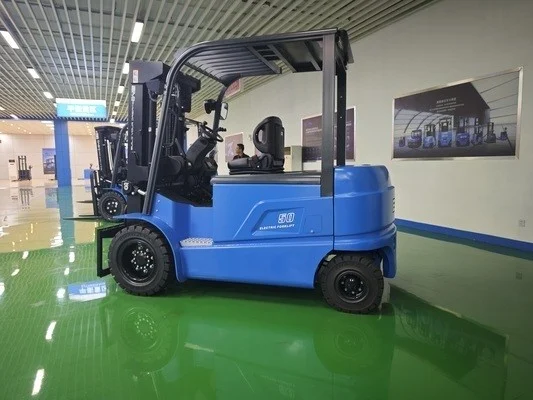
A common misstep: assuming existing charging stations work with new units. Different voltage requirements, connector types and charging speeds create incompatibilities that stop operations until upgrades complete. Some teams choose lower-cost lead-acid batteries without accounting for mandatory cooling periods between charges. Lead-acid batteries need 8 hours cooling after an 8-hour shift, so operations running three shifts need three batteries per forklift, which adds significant upfront expense. Lithium-ion batteries eliminate cooling needs, but carry higher upfront purchase prices. Teams that fail to map shift schedules and existing infrastructure end up with unexpected downtime that halts production.
Skipping Long-Term Maintenance Cost Projections
Many teams only compare upfront purchase prices when selecting units. Electrical forklifts have different maintenance needs than internal combustion models. Parts like motors, controllers and battery management systems require specialized training from service teams. Some manufacturers lock parts behind proprietary agreements, which increases long-term service costs. Teams that don’t review service contracts and parts availability before purchasing end up paying premiums for emergency repairs.
Failing to Account for Operating Environment
Electrical forklifts work in many settings, but not all models suit every environment. Engineering teams avoid mistakes by confirming model ratings match their unique working conditions.
Cold storage facilities need specialized batteries that maintain charge in sub-zero temperatures. Standard batteries lose up to 50% capacity in temperatures below 0°F, which reduces shift length and increases premature failure. Outdoor use requires weather-sealed electrical components. Units designed exclusively indoor use develop corrosion quickly when exposed to rain or snow, leading to short circuits and unexpected breakdowns.
Frequently Asked Questions
What weight capacity should your electrical forklift have?
Always base capacity selection on your heaviest regular load, not your average load. Add 10% extra capacity to account for unexpected load variations and maintain safe operation over the unit’s lifespan.
How do you match electrical forklift size to warehouse aisles?
Measure the narrowest aisle your forklift will navigate, then add 12 inches clearance for turning and pedestrian safety. Compare that measurement to the manufacturer’s stated turning radius and required aisle width for the model you consider.
Are lithium ion batteries always better than lead acid batteries with electrical forklift use?
No. Lithium ion batteries work well with multi-shift operations and require less maintenance, but carry higher upfront costs. Single-shift operations with available downtime supporting battery cooling and watering can lower total cost with quality lead acid batteries.
Can you use indoor electrical forklifts outside occasionally?
Only if the model includes factory-rated weather sealing approved to handle temporary outdoor use. Unsealed units exposed to moisture develop corrosion on electrical components that leads to early failure and voids manufacturer warranties.
Actionable Steps Before Your Next Fleet Expansion
Before finalizing electrical forklift selections during fleet expansion, complete these simple steps to avoid costly mistakes:
- Map all facility constraints including aisle widths, maximum lift heights and operating environment temperatures.
- Align battery and charging infrastructure with your daily shift schedule to avoid unexpected downtime.
- Compare total cost of ownership including upfront purchase, maintenance and part costs, not just initial price.
- Test a unit on site within your facility to confirm fit and performance before placing bulk orders.
These steps help industrial engineering teams avoid costly missteps and build fleets that support long-term operational and productivity goals.