Evaluating Factory Electric Forklift Performance In Mixed Indoor-Outdoor Industrial Material Handling Operations
News 13/10/2026
Key Performance Metrics Relevant To Mixed Operation Settings
Traction And Gradeability
Mixed indoor-outdoor operations often include uneven pavement, sloped loading docks and transitions between smooth concrete and gravel yard surfaces. Traction determines whether a forklift can maintain control across varying ground conditions without slippage. Gradeability, the maximum slope a forklift can climb with full load, directly impacts safety and efficiency when moving loads between warehouse floors and outdoor storage areas. Factory operations with frequent dock access require higher gradeability ratings than those limited to level indoor spaces.
Battery Life And Charge Retention
Outdoor temperature swings impact lithium-ion and lead-acid battery performance differently. Cold outdoor winter temperatures reduce lead-acid battery capacity by up to 50 percent in extreme cases, while lithium-ion units maintain higher capacity across wider temperature ranges. Longer shift operations require battery systems that retain sufficient power through full workdays without unplanned mid-shift charging interruptions. Operations that cycle between cool indoor storage and hot outdoor yards need battery thermal management features to maintain consistent performance.
Environmental Sealing And Component Durability
Outdoor exposure brings dust, moisture, debris and temperature fluctuations that do not exist in controlled indoor spaces. Forklifts designed only to operate inside controlled indoor spaces often lack sealed electrical components and corrosion-resistant chassis materials. Without adequate sealing, water from rain or outdoor cleaning can damage control systems, leading to costly unplanned downtime. Corrosion from outdoor moisture also weakens chassis components over time, reducing overall service life of the equipment.
Core Common Challenges Across Mixed Operation Environments
Mixed operations create unique demands no single design type meets perfectly. One primary challenge is weight capacity tradeoffs. Compact electric forklifts built to navigate narrow indoor aisles often have lower weight capacities, which limits their use handling heavier outdoor loads. Larger capacity models, meanwhile, may be too wide to navigate narrow indoor storage aisles, creating inefficiency in indoor workflow.
Another key challenge is maneuverability across uneven ground. Indoor-focused models often have smaller solid tires that get caught on potholes or loose gravel, slowing operations and increasing tire wear. Suspension tuning also plays a role; stiff suspension built to deliver stable handling on smooth indoor floors creates jarring movement over uneven outdoor ground, increasing operator fatigue over long shifts.
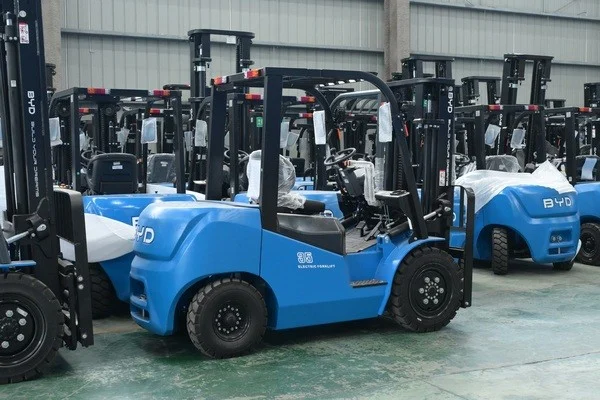
Emission regulations also create constraints in facilities that require zero-emission equipment near indoor work zones. Many older internal combustion models meet outdoor requirements but cannot operate inside enclosed warehouse spaces due to local emission rules. Electric models solve this emission issue but bring their own limitations related to power output and long-term durability in outdoor conditions.
Actionable Selection Guidance
Match Specs To Your Operational Profile
Start by mapping your most frequent operation routes. If 70 percent or more of your work takes place inside warehouses with only occasional short trips to outdoor yards, you can prioritize maneuverability and narrow aisle clearance over heavy-duty outdoor durability. If your operation splits work evenly between indoor and outdoor spaces, prioritize models with sealed electronics, corrosion-resistant frames and all-terrain traction tires.
Prioritize Operator Comfort And Safety
Operator comfort directly impacts productivity across long shifts. Models with suspension adjusted to handle uneven ground reduce operator fatigue compared to units tuned only to perform on smooth indoor floors. Safety features such as electronic stability control work effectively across all environments, but outdoor operations add needs for bright working lights, rain-resistant operator cabins and slip-resistant steps to prevent falls during entry and exit in wet weather.
Plan Long-Term Maintenance Needs
Electric forklifts operating in mixed environments require more frequent inspection of sealed components, tire pressure and chassis corrosion. Schedule monthly checks of electrical connector seals to prevent moisture intrusion, and clean undercarriages regularly to remove debris and corrosive materials from outdoor ground exposure. Choosing models with widely available replacement parts reduces downtime when components require unexpected replacement.
When evaluating potential units, test performance across the full range of conditions your factory experiences, rather than relying on generic indoor-only performance ratings. This testing helps you identify gaps between design expectations and your real-world operational needs, leading to better long-term investment decisions.
Frequently Asked Questions
Can all factory electric forklifts operate in outdoor spaces?
No. Many electric forklifts are designed only to operate inside controlled indoor warehouse environments. These units lack the sealed electrical components and corrosion resistance needed to withstand outdoor moisture, dust and temperature swings. Only models explicitly engineered to handle mixed operation environments include these critical protective features.
How do temperature changes impact electric forklift performance?
Extreme hot or cold temperatures reduce battery output, regardless of battery type. Lead-acid batteries experience much larger capacity drops in cold weather than lithium-ion alternatives. Extreme heat can also accelerate battery degradation over time, reducing overall battery service life. Models with active battery thermal management maintain more consistent performance across wide temperature ranges common across mixed indoor-outdoor operations.
What tire type works best across mixed indoor-outdoor operations?
Pneumatic or solid pneumatic tires offer the best traction across uneven outdoor ground, while still providing acceptable maneuverability on smooth indoor concrete. Cushion tires, common among indoor-only electric forklifts, provide better maneuverability in narrow aisles but easily get damaged or stuck on uneven outdoor surfaces.
What maintenance steps extend service life of mixed-operation electric forklifts?
Regular cleaning of undercarriages to remove debris, monthly inspections of electrical seal integrity, and more frequent battery health checks all help extend service life. Operators should also check tire tread and pressure weekly to address wear from uneven outdoor ground before it creates safety issues.