5 Ton Forklift Price: Charging Infrastructure and Shift Patterns That Shape Four-Wheel Counterbalance Electric Forklift Cost
News 05/11/2026
A five-ton forklift price is not a single number. It reflects the truck’s capacity, battery, charger, and the way your operation uses the machine. Two buyers can purchase the same model and face very different total costs because charging infrastructure and shift patterns change how much battery capacity they need, how long the truck stays available, and what electrical work the site requires. This article explains how those factors affect the price of a five-ton four-wheel counterbalance electric forklift and what to check before you request a quote.
Why Charging Infrastructure and Shift Patterns Drive the Price
The base price of a five-ton electric forklift covers the truck and often a battery, but it may not include the charger or site electrical upgrades. Charging infrastructure includes the charger itself, the connection to your power supply, and any ventilation or safety equipment. Shift patterns determine how much energy the truck consumes each day and how much time is available to recharge. A single-shift operation with long breaks can use a smaller battery and a basic charger. A multi-shift operation with little downtime may need a larger battery, a higher-power charger, or battery swapping. Each choice changes the total cost.
Key Cost Factors: Battery, Charger, and Electrical Work
When you compare quotes, separate the truck price from the energy package. The table below lists the main items and what to verify with the supplier.
| Item | Why It Matters | What to Confirm |
|---|---|---|
| Battery capacity (kWh) | Determines runtime between charges | Match to measured energy use per shift; ask the supplier to calculate based on your load and duty cycle |
| Charger power and type | Affects recharge time and peak electrical demand | Charger output, input voltage, and compatibility with the battery management system |
| Electrical supply | May require new circuits or transformer | Available voltage, phase, and capacity at the charging location |
| Battery swapping option | Reduces downtime in multi-shift use | Whether the supplier offers a swap system and what it includes |
| Site safety and ventilation | Required by local codes | Local regulations and supplier recommendations |
Prices vary by region and configuration. Ask for a breakdown that shows the truck, battery, charger, and installation separately so you can compare offers fairly.
How Shift Patterns Affect Battery and Charger Selection
Shift patterns influence the energy demand and the time available to recharge. Consider these common patterns:
- Single shift with long breaks: The truck can often use a standard battery and an opportunity charger during breaks. Initial cost is lower, but confirm the charger can replenish the battery within the break time.
- Two shifts with short breaks: Energy use is higher, and recharge windows are shorter. A larger battery or a faster charger may be needed. In some cases, battery swapping becomes cost-effective.
- Continuous operation: Multiple trucks or a swap system may be required to keep equipment available. The infrastructure cost rises accordingly.
To estimate energy use, you need the truck’s consumption per hour under your actual load and route. The supplier can provide this figure based on standard test cycles, but your duty cycle may differ. Ask for the assumptions behind any runtime claim.
Industry Example: Warehouse and Distribution Center
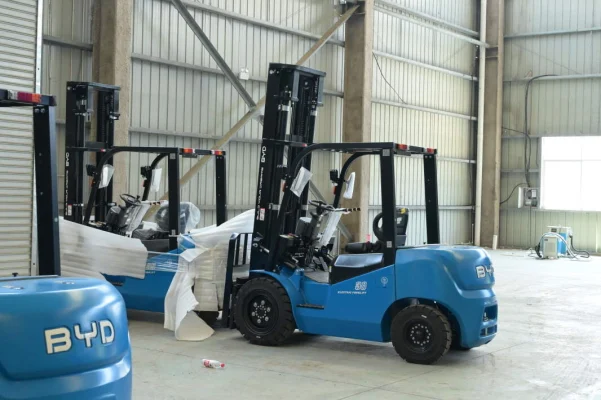
In a warehouse or distribution center, five-ton four-wheel counterbalance electric forklifts often handle heavy pallets, loading docks, and transport between storage areas. The aisles may be wide enough for counterbalance trucks, but you should verify aisle width, turning radius, and load center with the supplier. The main cost drivers in this setting are the number of shifts, the charging location, and whether the truck needs to enter trailers or operate on ramps.
Before requesting a quote, gather the following data:
- Maximum load weight and load center distance
- Required lift height and any attachments
- Aisle width and turning radius available
- Floor conditions and ramp gradients
- Number of shifts per day and break durations
- Charging location and available electrical supply
- Any environmental conditions such as dust or moisture
With these details, the supplier can recommend a battery and charger combination and provide a more accurate price. Note that a five-ton counterbalance truck may not suit very narrow aisles; in that case, other truck types might be considered, but they fall outside this site’s product range.
Frequently Asked Questions
Does a higher battery capacity always increase the five-ton forklift price?
Yes, a larger battery typically costs more, but it may reduce the need for a second battery or a high-power charger. The total cost depends on your shift pattern and charging strategy. Compare complete packages rather than battery price alone.
Can I use an existing charger with a new five-ton electric forklift?
Only if the charger matches the battery voltage, chemistry, and charging profile. Using an incompatible charger can damage the battery and void warranties. Confirm compatibility with the forklift supplier.
How do I know if I need battery swapping?
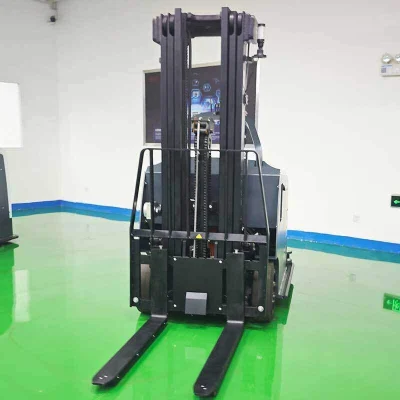
Battery swapping is usually considered when the truck must operate continuously with very short recharge windows. It requires additional equipment and space. Calculate whether the cost of swapping is lower than the cost of an extra truck or larger battery.
What information should I provide to get an accurate price?
Provide your load weight, lift height, shift schedule, charging location, and electrical supply details. Also mention any special conditions such as cold storage or outdoor use. The supplier can then specify the appropriate model and configuration.
Are there hidden costs in charging infrastructure?
Potential costs include electrical upgrades, ventilation, fire safety equipment, and installation labor. Ask the supplier and your electrician to review the site before finalizing the order.