Cold Storage Duty: What to Verify Before Buying a 2.5 Ton Electric Forklift
News 02/11/2026
A 2.5 ton electric forklift working inside a freezer is not simply a standard truck with a different paint color. Cold, condensation, ice, and battery behavior change what you must verify before placing an order. This procurement guide walks through the checks that matter: the operating environment, the technical data you should request, acceptance tests, and the questions that often remain unanswered until delivery. The discussion assumes a four-wheel counterbalance electric forklift, the common general-purpose configuration in cold-store handling. It does not replace a site-specific engineering review.
Start with the Cold-Room Conditions, Not the Truck
Cold storage covers a wide range. A chilled room near freezing and a deep-freeze chamber at far lower temperatures place different demands on hydraulic oil, seals, steel, and electronics. Before comparing models, record the actual conditions the truck will face.
- Temperature range: the lowest and highest ambient temperatures during operation, plus any defrost cycles or door-open periods.
- Time in and out: how long the truck stays inside, how often it crosses the door, and whether it parks in the cold or returns to a warm area.
- Humidity and ice: washdown practices, floor drainage, and where ice builds up on ramps or door tracks.
- Floor and ramps: surface type, slope, and condition, since traction and braking change on wet or icy concrete.
- Load details: actual load weight, load center, and the highest lift height required.
These facts determine whether a standard specification is adequate or whether cold-store options are needed. They also give suppliers a clear basis for a quotation rather than a generic price.
Technical Points to Confirm in the Specification
Ask the supplier to state, in writing, how the truck is configured for the stated temperature range. A 2.5 ton rating is a nominal capacity tied to a defined load center; capacity falls as the load center moves forward or as lift height increases. Confirm the rated capacity at your actual load center and lift height, not only at the standard value.
Cold environments affect several systems. Hydraulic oil viscosity rises at low temperature, which can slow lift and tilt response until the oil warms. Seals and hoses may harden. Steel surfaces can become brittle in deep cold, and condensation forms when a cold truck enters a warm, humid area. Electronics and display screens may have their own temperature limits. Ask which components are rated for the lowest temperature on your list, and which are standard parts.
Battery choice deserves separate attention. Lithium-ion packs generally tolerate cold differently from lead-acid batteries, but performance and charging limits at low temperature must be confirmed with the battery supplier. Questions to ask include: Can the truck be charged inside the cold room, or must the battery be warmed first? What is the charging temperature window? How does capacity change at low temperature? Do not accept general claims; request the battery datasheet and the manufacturer’s cold-weather guidance.
| Item to verify | What to request | Why it matters |
|---|---|---|
| Rated capacity | Capacity at your load center and lift height | Nominal 2.5 ton rating may not apply at higher lift or forward load |
| Hydraulic system | Oil grade and temperature range; seal and hose material | Response and leakage risk in cold |
| Battery and charger | Datasheet, charging temperature limits, cold-weather instructions | Charging and runtime change at low temperature |
| Cab and controls | Heated cab option, display temperature rating, anti-condensation measures | Operator comfort and reliable readings |
| Tyres and brakes | Compound and tread suited to cold, wet floors | Traction and stopping distance on ice or condensation |
Questions to Put to the Supplier Before Ordering
A written quotation should answer practical questions, not just list a model. Use the following list as a checklist during inquiry. Where an answer is missing or vague, treat it as an open item rather than an assumption.
- Which parts differ from a standard-temperature version, and are they listed by part number?
- What is the lowest ambient temperature the truck is approved to operate in, and does that apply to continuous or intermittent use?
- How is condensation managed when the truck leaves the cold room?
- What maintenance intervals and lubricants apply in cold duty?
- What documentation comes with delivery: datasheets, test records, warranty terms, and operating limits?
- What lead time applies to cold-store configuration, and what is excluded from the price?
For a four-wheel counterbalance electric forklift intended for cold storage, also ask whether the supplier has a defined cold-weather package and what it contains. Avoid accepting verbal assurances about performance in cold; ask for the relevant data or a clear statement that the information is not available.
Acceptance Checks and Open Items
Before signing off delivery, plan a site acceptance check based on the conditions you recorded. A practical sequence is to confirm the truck matches the ordered configuration, verify capacity at the intended load center and height, test lift and tilt response after cold soak, check braking and traction on the actual floor, and review the battery charging procedure with the people who will use it. Record results and any deviations.
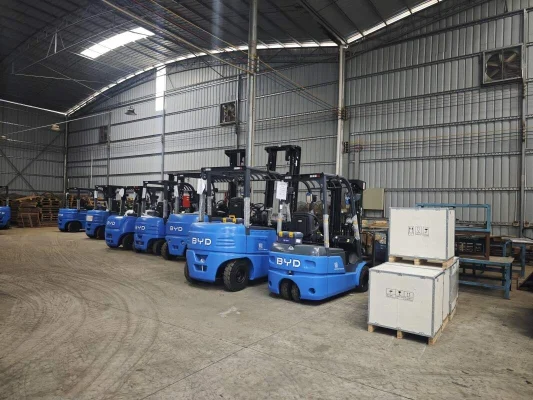
Some points may remain unresolved at delivery. Examples include long-term battery behavior in deep cold, condensation effects on electronics over time, and the actual runtime across a full shift. These are best handled as documented items to monitor, with agreed review points, rather than assumed. If the supplier cannot provide a verified figure, state that the item needs confirmation under your operating conditions.
Cold storage duty rewards careful specification over optimistic assumptions. The goal is a truck that matches the room, the loads, and the charging routine, with limits clearly understood by the team who will run it.
Frequently Asked Questions
Can a standard 2.5 ton electric forklift work in a freezer?
It may, but only if the truck’s components, battery, and lubricants are rated for the lowest temperature and the supplier confirms the configuration. A standard model used outside its temperature limits risks slow hydraulics, seal problems, and unreliable charging. Always verify against your recorded conditions.
Does the 2.5 ton rating apply at every lift height?
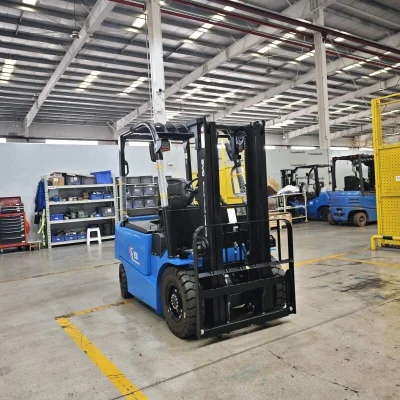
No. Rated capacity is tied to a stated load center and often to a specific lift height. As load center or height increases, capacity usually decreases. Ask for the capacity chart and confirm it at your actual load center and maximum lift.
What battery information should I request?
Request the battery datasheet, the approved charging temperature range, guidance on charging in cold, and how capacity changes at low temperature. Confirm whether charging inside the cold room is permitted or whether the battery must be warmed first.
What should an acceptance check include?
Check that the delivered configuration matches the order, verify capacity at your load center and height, test lift and tilt response after cold exposure, assess braking and traction on the actual floor, and review the charging procedure with operators. Record results and unresolved items in writing.