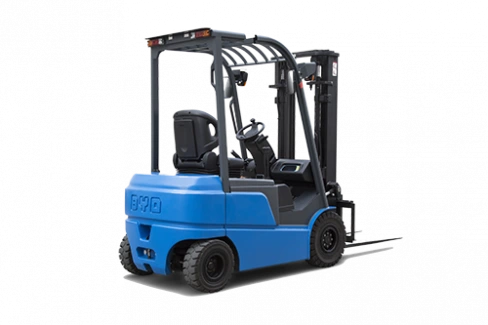
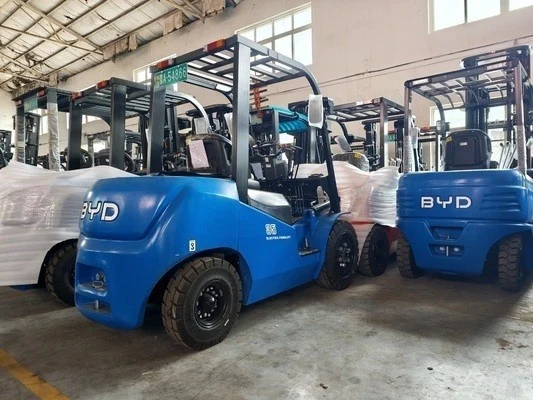
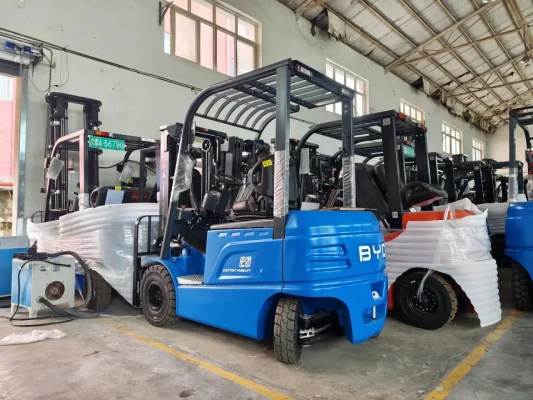
Food Industry Electric Forklifts: Zero Tailpipe Emission Attributes Supporting Uncontaminated Processing Environments
News 15/10/2026
Food production operations enforce strict contamination control rules across every stage of internal logistics. Electric forklifts deliver zero on-board tailpipe emissions, making them well-suited supporting safe, compliant production and storage spaces within this sector. This guide breaks down applicable models, key configuration checks, industry-specific tradeoffs, and common questions procurement teams face.
Applicable Electric Forklift Types Serving Food Industry Operations
Different electric forklift models fit distinct tasks and zones common to food processing facilities, each with clear适用条件 and limitations:
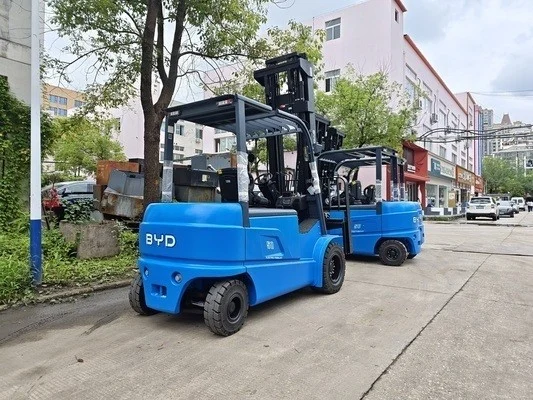
- Counterbalance electric forklifts: These work well for outdoor loading docks and cross-dock areas connecting processing plants to distribution yards. They handle varied load sizes and do not require special reach mechanisms. Their main limitation comes from wider minimum aisle width requirements, so they do not fit narrow aisle high-bay storage setups.
- Reach trucks: These models fit high-bay cold storage warehouses common to frozen and refrigerated food storage. They operate efficiently in narrow aisles, which helps maximize storage density for packaged bulk goods. They work best on level, smooth warehouse floors, and are not intended for uneven outdoor loading areas.
- Walkie pallet jacks: These low-profile units serve short-distance transport within open processing areas. They have lower upfront costs and smaller footprints, making them ideal moving partial pallets between processing lines. Maximum load capacity limits their use to lighter loads compared to full-size counterbalance models.
- Stand-on stacker trucks: These combine compact size with limited lift height capability, fitting medium-bay storage areas within processing facilities. They allow faster operator transfer between tasks compared to walkie models, which improves throughput for high-volume operations.
All electric variants deliver the core zero-emission benefit that supports contamination control, unlike internal combustion forklifts that release exhaust and airborne particulates into work zones.
Core Configuration Checks Food Industry Procurement
Beyond zero emissions, food industry operations require additional configuration checks aligned with food safety rules and unique operating conditions. The table below outlines key items to review during procurement:
| Parameter/Configuration | Industry Priority Rationale | Procurement Check Items | Availability |
|---|---|---|---|
| Washdown compatibility | Most food processing facilities require regular high-pressure cleaning with chemical sanitizers to meet food safety standards | Confirm enclosure ratings for all electrical components; verify corrosion resistance for all frame and fastener materials | Full washdown rating = optional; basic splash protection = standard |
| Operating temperature range | Many food operations include cold or frozen storage zones, with some requiring cross-temperature travel between processing and storage areas | Confirm battery management system settings, low-temperature available capacity, and component ratings match your facility’s lowest operating temperature | Cold storage packages = optional; standard configuration fits ambient temperature processing areas |
| Non-marking tires | Prevents rubber debris and scuff marks from contaminating clean processing floors and open product zones | Confirm tire material meets your facility’s debris control requirements; check for residual release agents on new tires | Non-marking tires = optional; standard rubber tires fit non-processing warehouse zones |
| Food-grade lubricants | Reduces contamination risk from accidental leaks of lubricating oil onto food product or contact surfaces | Confirm all accessible moving components use approved food-grade lubricants per your facility’s requirements | Food-grade lubricant packages = optional; standard industrial lubricants come standard on most base models |
Configuration tradeoffs depend on where the forklift will operate: If your unit works within open food processing areas where unpackaged product moves through the space, you must prioritize full washdown compatibility, non-marking tires, and food-grade lubricants as non-negotiable requirements. If your unit only operates within closed warehouses holding packaged finished goods, you can skip these optional upgrades to lower total acquisition cost.
For battery type selection: Lead-acid batteries have lower upfront cost, but require longer charging times and regular maintenance. Lithium-ion batteries support faster opportunity charging and have longer expected service life, but come with higher initial purchase prices. Your choice depends on your daily shift structure, throughput requirements, and available facility budget.
Key Limitations And Operational Tradeoffs
Electric forklifts offer clear contamination control benefits, but they come with limitations food industry procurement teams must account for:
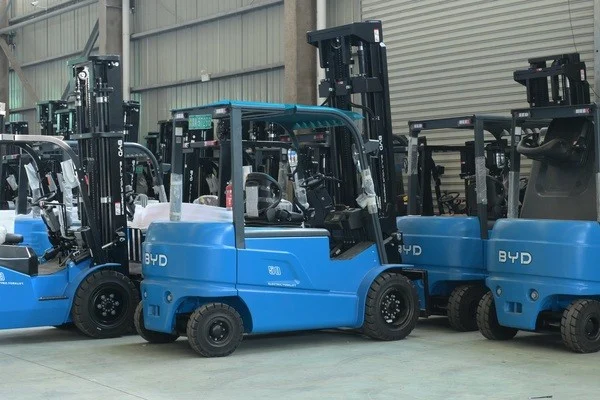
- Multi-shift high-throughput operations require sufficient charging infrastructure and spare battery packs to avoid unplanned downtime. Without adequate planning, scheduled operations can face delays when batteries run out of charge mid-shift.
- Cold storage operation reduces available battery capacity even with specialized cold-temperature packages. You must adjust expected run time per charge based on your facility’s operating temperature, and plan charging breaks into daily workflows.
- Initial acquisition cost for electric forklifts typically exceeds comparable internal combustion models. You must calculate long-term cost reductions from lower fuel and maintenance expenses to offset higher upfront investment.
- Cross-temperature operation between ambient processing zones and frozen storage creates condensation risk for electrical components. Only models with specialized cross-temperature protection can handle this workflow reliably.
Before finalizing any order, compile your facility-specific data including operating aisle width, maximum load weight, maximum lift height, daily operating hours, and cleaning protocols, then share these details with your supplier to confirm the selected model meets all your needs.
Frequently Asked Questions
Can electric forklifts operate across multiple temperature zones within one food facility?
Some manufacturers offer specialized cross-temperature packages engineered to prevent condensation buildup on electrical components when moving between ambient processing areas and frozen storage zones. You must confirm this capability directly with your supplier before purchase, as standard electric models do not include this protection. Unaddressed condensation can cause premature component failure in cross-temperature workflows.
Do all electric forklifts meet food safety regulatory requirements?
Zero tailpipe emissions address one key contamination risk, but full compliance requires additional configurations matching your operation’s specific needs. Core additional requirements vary based on whether the forklift operates within open processing zones or closed storage areas. You must verify all configurations meet your local regulatory standards before deployment.
What charging infrastructure delivers top performance within food processing facilities?
Opportunity charging stations work well for multi-shift operations, as they allow drivers to top up battery capacity during scheduled break periods. Opportunity charging requires lithium-ion batteries compatible with frequent partial charging. Lead-acid batteries typically require full single-cycle charging between shifts, so you need dedicated charging areas separated from food processing zones to meet safety and contamination control rules.
Are electric forklifts permitted within open food processing areas?
When configured with all required contamination control features, yes. Core requirements include zero on-board tailpipe emissions, sealed electrical components, non-marking tires, and food-grade lubricants. Always confirm your facility’s internal food safety protocols and local regulatory rules before deploying any material handling equipment within open processing zones.