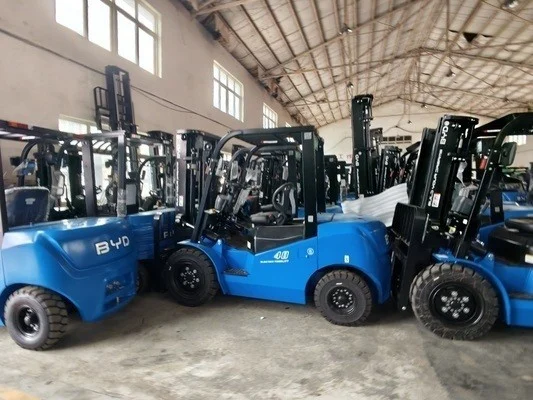
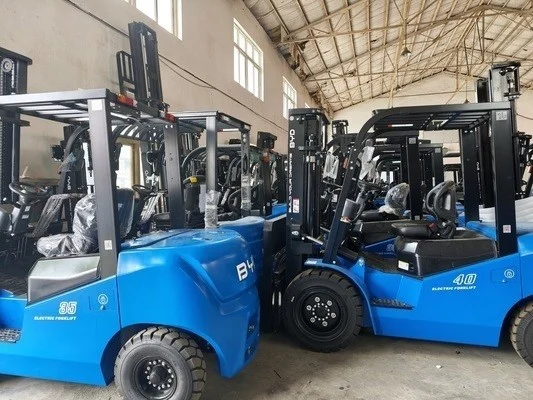
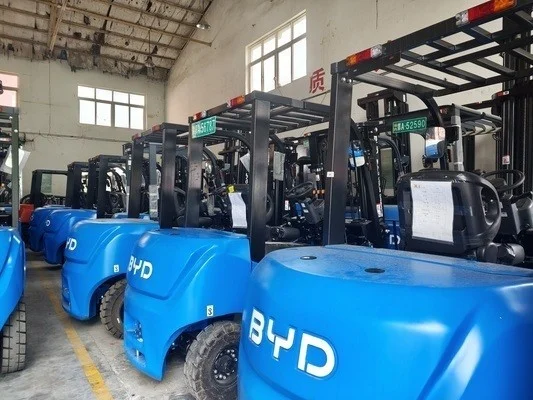
Key Considerations When Specifying Electric Forklifts Food Industry Processing Environments
News 05/10/2026
Food industry processing facilities face unique challenges when moving raw ingredients, work-in-progress stock and finished goods across production floors, cold storage areas and loading docks. Electric forklifts bring many benefits matching these facilities’ needs, but incorrect specification leads costly downtime, compliance failures and reduced operational efficiency. This guide compares key options and outlines critical factors teams must evaluate before making purchasing decisions.
Core Regulatory & Hygiene Compliance
All equipment operating within food processing zones must meet regional food safety standards. These standards mandate design features prevent contamination of food products during daily operation.
Design Features Ease Cleaning
Open, seamless frame designs reduce food particle buildup. Forklifts with painted or coated steel frames resist damage from frequent cleaning with high-pressure water and food-safe detergents. Models with enclosed electrical components withstand washdown procedures without internal damage. Comparatively, standard electric forklifts designed general industrial use often have gaps and crevices that trap food waste, creating food safety risks.
Third-Party Food Safety Certifications
Many regions require equipment meet specific food safety certifications, such as NSF/ANSI standards for food contact surfaces? No, wait, rephrase: Many regions require equipment meet specific food safety certifications, such as NSF/ANSI standards covering food contact surfaces. Always verify certification scope matches your facility’s processing zone classification before final specification.
Power Source Comparison
Electric forklifts use two dominant power technologies: lead-acid batteries and lithium-ion (Li-ion) batteries. Each brings distinct tradeoffs relevant to food processing operations.
Lead-Acid Battery Forklifts
Lead-acid units have lower upfront purchase cost. They require regular maintenance including watering cell levels and longer charge times. Many food processing facilities operate multiple shifts, so lead-acid units require battery swapping between shifts. This adds extra labor and dedicated battery storage space to your facility layout.
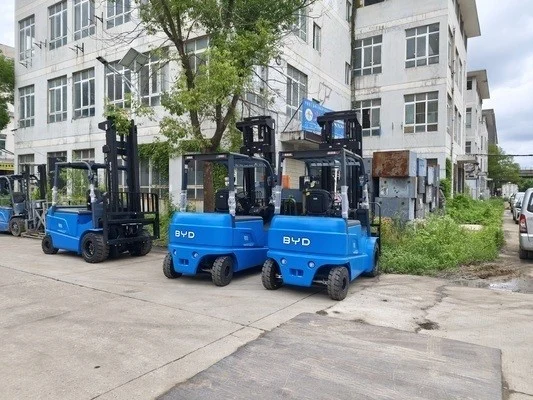
Lithium-Ion Battery Forklifts
Li-ion units have higher upfront cost, but require minimal routine maintenance. They support opportunity charging during breaks, eliminating need battery swapping. This saves labor and storage space. Li-ion batteries also maintain more consistent power output as discharge levels drop, compared to lead-acid units that slow down as charge depletes.
For? No: Cold storage zones common in food processing operations, Li-ion batteries deliver much more reliable performance at sub-zero temperatures. Lead-acid batteries lose significant capacity in cold conditions, increasing downtime and reducing productivity.
Maneuverability & Size Matching Facility Layout
Food processing facilities often have narrow aisles between production lines, cold storage racks and staging areas. Selecting the wrong size forklift creates safety risks and slows material movement.
Three-Wheel vs Four-Wheel Electric Forklifts
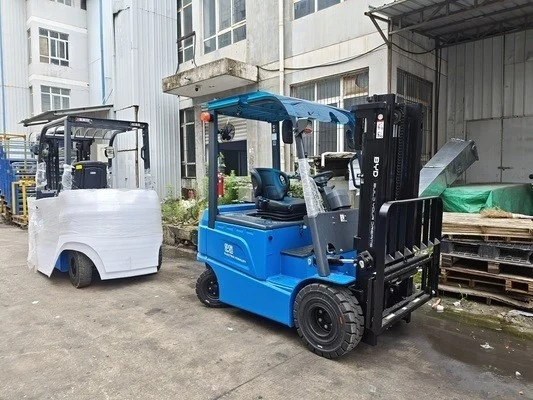
Three-wheel electric forklifts have smaller turning radii, making them well suited to narrow aisles and tight spaces around processing equipment. They support lower load capacities, typically up to 3,000 kg, which meets most needs moving ingredients and finished packaged goods. Four-wheel units offer higher load capacity for? No: Four-wheel units offer higher load capacity bulk raw material handling, but require more space turn. They work well in larger warehouse areas attached to processing facilities.
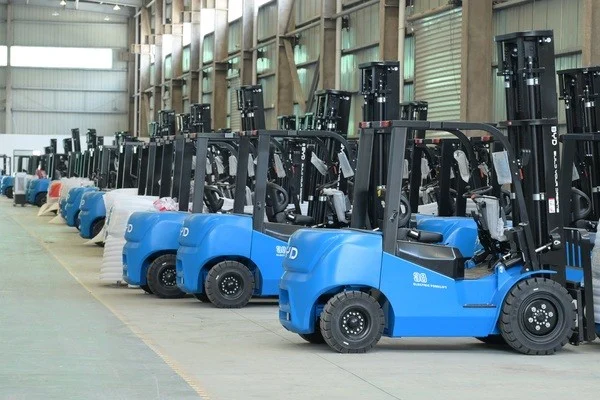
Always measure your facility’s aisle widths and turning clearances before specifying forklift size. Many teams oversize forklifts to handle occasional heavy loads, leading reduced productivity and higher safety risks during daily operation.
Cold Storage Compatibility
Most food processing facilities include at least one cold storage zone for? No: Most food processing facilities include at least one cold storage zone holding raw ingredients or finished products. Standard electric forklifts not rated to cold environments suffer premature component failure from condensation and temperature swings.
Forklifts specified to cold storage zones need specialized seals on electrical components, hydraulic fluids rated to low temperatures, and heating systems for? No: and heating systems for is wrong, rephrase: and heating systems for no, change to: and heating systems for battery components? No, rephrase: and include heating elements for battery components when operating below -10°C. No, change to: and heating elements keep battery components functional when operating below -10°C. Li-ion batteries again outperform lead-acid in this context, as they maintain capacity better and require less pre-use warming in cold conditions.
Frequently Asked Questions
Are electric forklifts safe to use within food processing zones?
When properly specified to meet food safety and hygiene standards, electric forklifts are safe to use within food processing zones. They produce zero exhaust emissions, which makes them preferable to internal combustion units within enclosed processing areas.
What is the typical cost difference between lead-acid and Li-ion electric forklifts food processing use?
Li-ion electric forklifts generally cost 20% to 40% more upfront than comparable lead-acid units. Total cost of ownership over the equipment lifespan often evens out or favors Li-ion, due lower maintenance and labor costs.
Do all electric forklifts withstand regular washdowns?
No. Only units with sealed electrical components and food-safe corrosion-resistant coatings withstand frequent high-pressure washdowns required within food processing environments. Standard general-purpose electric forklifts will develop electrical faults after repeated exposure to water and cleaning chemicals.
Can the same electric forklift operate both ambient processing zones and cold storage?
Only units specifically rated to dual temperature operation can safely switch between ambient and cold storage zones. These units include specialized seals and components prevent condensation damage when moving from cold to warm environments. Non-rated units will suffer premature component failure from repeated temperature swings.
Final Specification Recommendations
When specifying electric forklifts food industry processing environments, start by mapping your facility’s layout, cold storage needs, and food safety compliance requirements first. Compare upfront cost against total long-term cost of ownership when choosing between lead-acid and Li-ion power sources. Always test forklift maneuverability in your facility’s tightest aisles before committing to purchase. Prioritize models with third-party food safety certifications to avoid costly compliance issues after installation.