Clarifying What Types of Forklifts Are There Based On Operational Terrain And Industrial Use Cases
News 14/10/2026
Core Categorization: Terrain and Use Case
Many sources sort forklifts by power source, capacity, or brand. This guide groups machines by operational terrain and intended industrial use, the two most common factors decision-makers evaluate when selecting equipment. This framework makes it easy match your site conditions and work demands to correct forklift type. It aligns with how most operation managers first narrow options when evaluating equipment needs.
Indoor Smooth Terrain Forklifts
Cushion Tire Forklifts
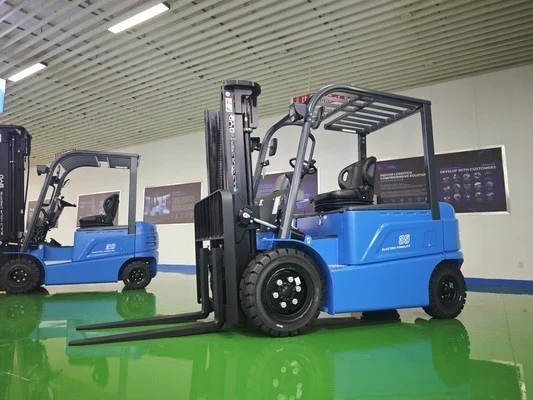
These machines feature solid, compact cushion tires made to fit smooth concrete and asphalt surfaces common indoor warehouses, manufacturing facilities, and retail storage areas. They offer tight turning radii, perfect navigate narrow aisles found most enclosed storage spaces. Their low ground clearance keeps them stable on flat ground, but prevents operation on uneven outdoor surfaces. Common load capacities range 3,000 to 15,000 pounds, matching most general indoor material handling tasks. Most models use electric power, so they produce zero emissions enclosed spaces.
Stand-Up Rider Forklifts
These designs let operators stand during operation, cutting overall footprint compared to sit-down models. They excel at short, frequent load moves in distribution centers and fulfillment centers. Narrow mast design lets them navigate very tight aisles, allowing facilities increase storage density without expanding building size. They typically offer lower load capacities, most under 5,000 pounds, so they suit lighter, repeated load handling tasks.
Outdoor Uneven Terrain Forklifts
Pneumatic Tire Forklifts
Pneumatic tires, either solid rubber or air-filled, provide strong traction on gravel, mud, uneven pavement, and other rough outdoor surfaces. Higher ground clearance lets them handle small bumps and uneven ground common construction sites, lumber yards, and public shipping yards. Most models handle larger loads, up 50,000 pounds, matching heavy-duty outdoor material handling tasks. Air-filled tires offer better shock absorption over rough ground, while solid tires eliminate puncture risks in high-debris work zones. Most mid-sized models run diesel or liquid propane, with a small number electric options available.
Rough Terrain Forklifts
These purpose-built machines handle extremely uneven, unimproved terrain common new construction sites and agriculture operations. They feature high ground clearance, powerful engines, and available four-wheel drive. Most come with telescoping masts, letting them lift heavy building materials to elevated work positions. Their large size and diesel power make them unsuited indoor use, as they cannot maneuver narrow aisles and produce harmful emissions in enclosed spaces.
Specialized Forklifts Niche Industrial Applications
Some industrial tasks require purpose-built designs beyond general indoor or outdoor models. These specialized machines address unique work demands common specific sectors.
Side Loaders
Side loaders lift loads from the side, making them ideal carry long, bulky items such as lumber, pipes, and steel beams. They work well both indoor warehouses storing long materials and outdoor lumber yards. Their design eliminates need to turn long loads in narrow aisles, saving space and improving worker safety.
Order Pickers
Order pickers lift the operator alongside the load platform, letting them retrieve individual items from high warehouse shelves instead moving entire pallets. They are common e-commerce fulfillment centers and retail distribution operations, where frequent individual item retrieval required. They have low load capacity, as their primary function provides worker access instead lifting heavy bulk loads.
Telehandlers
Telehandlers combine forklift lifting capability with telescopic boom extension, making them useful construction and agricultural sites. They can lift materials to high positions, reach over obstacles, and accept different attachments such as buckets and grapples. This versatility makes them popular multi-use work sites where different tasks need completed each day.
When selecting a forklift, first confirm your primary work terrain, then match machine design your typical load size and task type. General indoor tasks work best with cushion tire or stand-up models, while general outdoor tasks need pneumatic tire models. Niche tasks require specialized designs improve productivity and safety.
Frequently Asked Questions
Which forklift type works best warehouse operations?
Most indoor warehouse operations with smooth concrete floors work best with cushion tire or stand-up rider forklifts. Both fit narrow aisles and offer strong maneuverability enclosed spaces. Choose stand-up models frequent short load moves, and cushion tire sit-down models heavier regular loads.
Can I use an outdoor forklift indoors?
Most outdoor pneumatic or rough terrain forklifts use diesel engines, which produce harmful emissions enclosed spaces. Their large size also makes maneuvering indoor aisles difficult. Only electric outdoor models with proper ventilation work in limited indoor settings, but they still lack the maneuverability smaller indoor machines offer.
What is the main difference between cushion and pneumatic tire forklifts?
Cushion tires are solid, compact tires built specifically smooth indoor surfaces. They offer tight turning and low clearance ideal narrow aisles. Pneumatic tires are larger, treaded tires built deliver traction uneven outdoor terrain, with higher clearance handle rough ground.
When should I choose a specialized forklift over a standard model?
Specialized forklifts boost productivity and safety when your business completes the same niche task regularly. If your operation regularly handles long materials or picks individual orders from high shelves, purpose-built models reduce safety risks and cut overall operation time. For general purpose material handling, standard forklifts meet your needs lower overall cost.