Outlining What Types of Forklifts Are There and Their Compatibility With Different Industrial Material Handling Tasks
News 08/10/2026
Choosing the right forklift depends on matching equipment design to your operational needs. Different lift truck designs work best across specific indoor, outdoor, high-capacity, or narrow-aisle environments. This guide breaks down major forklift categories, their compatible material handling tasks, and key limitations buyers and operators need to know.
Internal Combustion (IC) Counterbalance Forklifts
This is one of the most common forklift designs found across industrial sites. The counterweight mounted on the truck’s rear offsets heavy loads carried on the front forks, eliminating need for additional stabilizing outriggers. IC counterbalance forklifts run on gasoline, propane, or diesel.
They work well on paved outdoor sites, and handle loads ranging from 3,000 up to 50,000 pounds. Common compatible tasks include loading and unloading delivery trucks, moving full pallets around shipping yards, and transporting heavy raw materials to manufacturing facilities.
Key limitations include large turning radius, so they do not work well in narrow warehouse aisles. Emissions from IC engines mean they are not suitable for enclosed indoor spaces without extensive ventilation.
Electric Counterbalance Forklifts
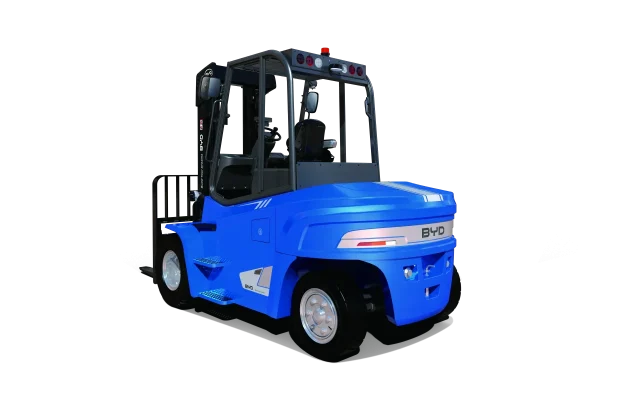
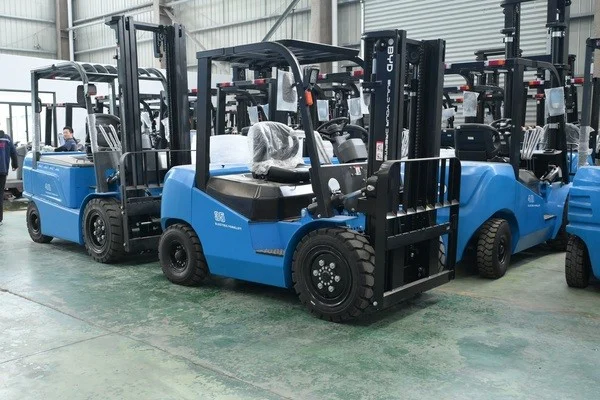
These use rechargeable batteries instead of fossil fuels to power operation. They share the same basic counterweight design as IC models, but produce zero emissions during use.
They fit well in indoor warehouse environments, and can also operate on smooth outdoor surfaces in dry conditions. Common compatible tasks include picking and putting away bulk pallets, loading delivery trucks at loading docks, and moving finished goods to storage areas.
Key limitations include lower maximum weight capacity compared to most large IC models, and battery life requires planned recharging downtime between work shifts. They also require protected storage to avoid battery damage from wet outdoor conditions.
Narrow Aisle Forklifts
Narrow aisle forklifts are designed specifically to maximize storage space inside warehouses. Their compact size lets them maneuver in aisles as narrow as 6 to 8 feet, much narrower than standard counterbalance models.
Reach Trucks
Reach trucks have extendable forks that can reach up to 30 or more feet high into racking. They run on electric power, so they work well in indoor storage facilities.
Common compatible tasks include high bay pallet storage, order picking at multiple rack levels, and inventory movement in dense warehouse layouts.
They are not designed to handle loads outside of warehouse environments, and cannot manage extremely heavy capacity loads common in construction or lumber operations.
Order Pickers
Order pickers lift both the forks and the operator up to storage levels, letting operators pick individual items directly from racks instead of moving entire pallets.
Common compatible tasks include e-commerce order fulfillment, small parts picking, and inventory restocking in multi-level racking systems.
Maximum load capacity tops out around 3,000 pounds, so they cannot handle full heavy pallets like reach trucks or counterbalance models.
Rough Terrain Forklifts
Rough terrain forklifts are built to operate on uneven, unpaved outdoor surfaces common to construction sites and outdoor storage lots. They feature large, heavy-duty treaded tires and strong IC engines.
Common compatible tasks include moving construction materials, lifting building supplies to elevated work areas, and transporting lumber, piping, or other large raw materials across uneven ground.
They are too large and have too wide a turning radius to fit indoor warehouse aisles. Their heavy weight can also damage finished paved or indoor flooring.
Pallet Jacks
Pallet jacks, also called pallet trucks, are the smallest common forklift variant. They come in both manual and electric powered designs, and only lift loads a few inches off the ground to move pallets short distances.
Common compatible tasks include moving pallets around retail stock rooms, unloading small delivery vehicles, and transporting orders short distances inside warehouses.
They cannot lift loads to high racking, and have much lower weight capacity than full-size forklifts.
Key Selection Criteria
When you pick a forklift your operation, consider three core factors:
- Work environment: Indoor operations require electric models to avoid emissions. Unfenced outdoor sites with uneven ground need rough terrain designs. Narrow warehouses need compact narrow aisle models.
- Load size and weight: Confirm the forklift’s maximum capacity exceeds your heaviest regular load. High lifting needs require reach trucks or larger IC models.
- Frequency of use: Electric models work best for daily multi-shift indoor use, while IC models work better for intermittent heavy outdoor use.
Final Considerations
Every forklift design comes with trade offs between capacity, maneuverability, environment compatibility, and cost. Always test a unit with your most common load types before purchase or long term rental, and confirm all operators complete required safety training before operation.
Frequently Asked Questions
What Is the Most Common Forklift Type Across General Industrial Operations?
IC and electric counterbalance forklifts are the most common general use designs. They work across a wide range of common material handling tasks, making them a popular option across most industrial sites with standard aisle widths.
Which Forklift Type Works Best in Narrow Warehouse Aisles?
Narrow aisle models, specifically reach trucks, work best in dense warehouse layouts with aisles under 10 feet wide. Their compact design allows maneuverability that standard counterbalance forklifts cannot match.
Can IC Forklifts Be Used Indoors?
IC forklifts produce toxic emissions during operation, so they are only safe in large, well-ventilated spaces that meet local emissions safety standards. Most enclosed indoor operations require electric forklifts to meet workplace safety rules.
Are Pallet Jacks Classified As Forklifts?
Pallet jacks fall under the broader classification of powered industrial trucks, which includes all forklift variants. They are limited to low-lift tasks, but count as small forklifts in most regulatory and operational classifications.