What Types of Forklifts Are There and How Load Dimensions And Lift Height Requirements Inform Equipment Choices
News 17/10/2026
Anyone researching material handling equipment needs clear answers on what types of forklifts exist, and how core operational requirements shape final purchasing decisions. Load dimensions and lift height rank among the most critical criteria many new operators overlook when choosing equipment, leading to inefficient operations or safety risks.
Common Forklift Categories
Counterbalance Forklifts
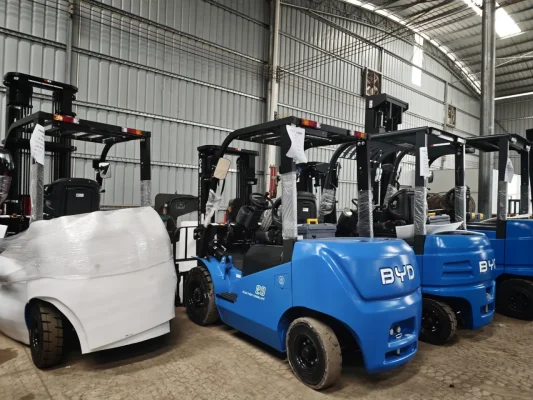
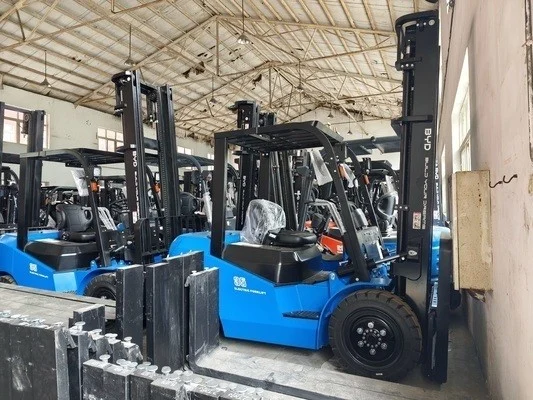
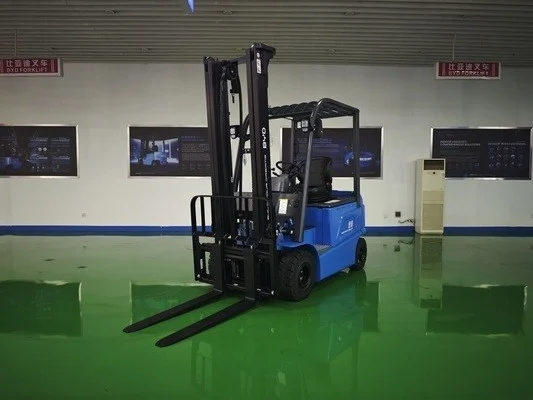
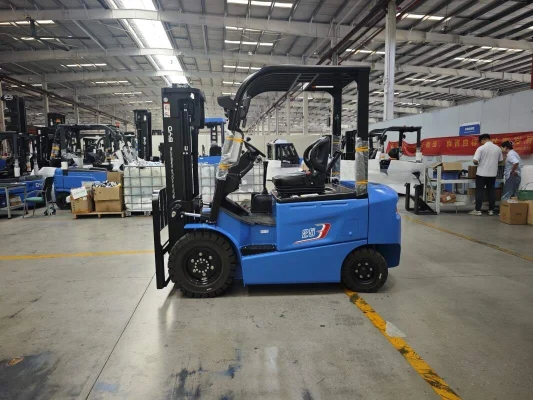
This category includes the most recognizable forklift design, with a weighted rear that counteracts the load held at the front. Units come in both internal combustion and electric variants. Counterbalance designs work best in outdoor and open indoor warehouse spaces. Most models handle standard pallet sized loads with ease.
Reach Trucks
Reach trucks feature extended mast designs that let the forks reach into high warehouse racking. These units serve exclusively indoor operations. Their compact frames and extended masts support high density storage in warehouses. They suit facilities with high density storage and narrow aisles.
Pallet Jacks
Also called pallet trucks, these low profile units move pallets short distances across flat surfaces. They come in manual and electric variants. These units handle loading and unloading delivery trucks, or moving pallets across retail floor space and storage areas.
Rough Terrain Forklifts
These heavy duty units feature large, treaded tires and powerful engines. They handle uneven ground, construction sites, and outdoor storage yards with unpaved surfaces. Most models lift heavier loads than standard indoor counterbalance units.
Order Pickers
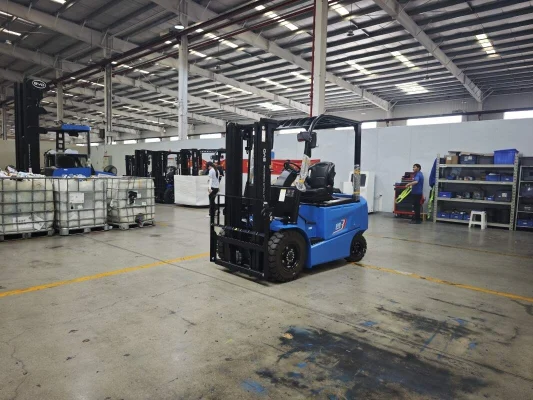
Order pickers lift both the operator and the load to elevated picking positions. They support individual order fulfillment in high rack storage areas, letting operators retrieve items directly without lowering an entire pallet.
Specialized variants like side loaders and container handlers handle specific niche cargo types not covered by common categories.
How Load Dimensions And Lift Height Inform Equipment Choices
Two core operational requirements narrow your options faster than any other criteria: your typical load dimensions and required maximum lift height. Each forklift type has clear design limits that align with specific operational needs.
Load Dimension Considerations
Load width, length, and weight all impact your equipment choice. Standard 48-inch pallets fit most standard forklift carriages, but oversized loads over 8 feet wide need specialized side-loading forklifts to maintain stability. Extra long loads also shift the center of gravity, so you must confirm the forklift’s rated load capacity matches your maximum weight at your typical load length. Custom carriage extensions can accommodate slightly wider loads on standard units, but these modifications also reduce maximum safe load capacity.
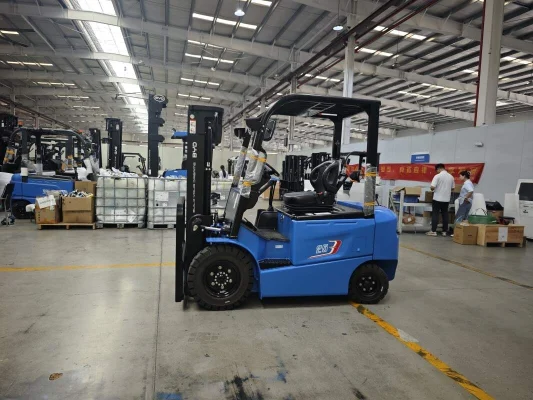
Facilities with narrow aisles (under 11 feet wide) cannot accommodate full size counterbalance forklifts, even when handling standard size pallets, because turning radius requirements exceed available space.
Lift Height Considerations
Maximum required lift height directly influences mast design and forklift stability. Facilities with racking over 20 feet high need reach trucks with extended masts, as standard counterbalance forklifts rarely reach heights above 18 feet. Higher lift heights also reduce a unit’s maximum load capacity, because the higher center of gravity increases tip-over risk. Outdoor construction projects that lift materials to elevated work areas need rough terrain forklifts with mast extensions matched to your maximum required lifting elevation.
If you handle variable load sizes and lift heights across multiple sites, you may need multiple units to cover all operational needs. A single standard counterbalance forklift cannot handle both high density indoor racking and outdoor rough terrain work.
Frequently Asked Questions
Which forklift type works best in narrow warehouse aisles?
Reach trucks or stand-up rider forklifts work best in narrow aisles. Their compact designs and smaller turning radii let operators maneuver in spaces as narrow as 8 feet, which full-size counterbalance units cannot access.
Does lift height affect how much weight a forklift can carry?
Yes. Higher lift heights lower a unit’s maximum safe load capacity. The elevated load shifts the center of gravity upward, increasing instability. Manufacturers list reduced capacity ratings against heights above a given threshold on every unit’s specification plate.
What equipment handles oversized construction loads?
Rough terrain side loaders handle most oversized construction loads, such as long lumber or steel beams. Side loading designs keep oversized loads aligned with the unit’s center of gravity, maintaining stability during transport across uneven ground.
Before finalizing your equipment choice, always review the manufacturer’s specification sheets to confirm load capacity, lift height, and turning radius match your site’s specific needs. Safety regulations require operators only use equipment rated to handle the load and operating environment they encounter.