Forklift Types With Pictures: A Practical Visual Guide Outlining Design Variations and Recommended Use Cases Supporting Industrial Purchasers, Engineers and Technical Decision Makers
News 07/10/2026
This guide helps industrial stakeholders navigate common forklift designs, match equipment to specific work site needs, and avoid costly purchasing mistakes. Each section includes image references to clarify key visual differences between popular designs, and outlines clear limitations and ideal applications.
Common Forklift Design Categories
Counterbalance Forklifts
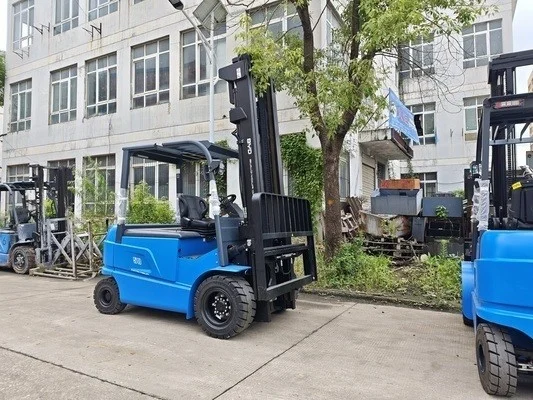
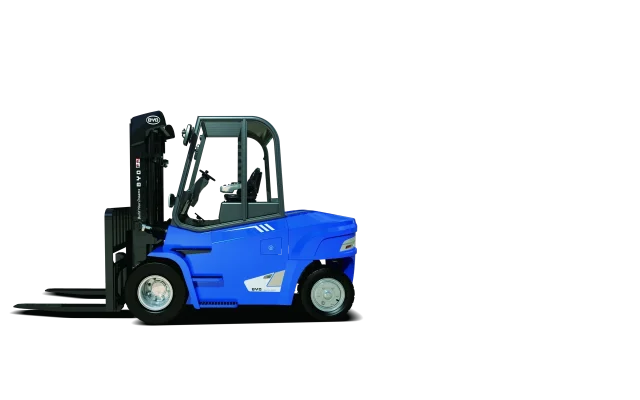
Counterbalance forklifts feature front-mounted forks and a counterweight mounted to the rear chassis. This design balances heavy loads during lifting and eliminates need for additional stabilizing arms. Three-wheel and four-wheel variants exist, with three-wheel models offering tighter turning radius.

This design works well on flat paved surfaces, outdoor loading docks, and warehouses with standard aisles. Key limitations include struggles with narrow aisles and uneven terrain, requiring extra clear space to maneuver. Common applications include loading and unloading shipping containers, moving pallets across large warehouse floors, and transporting finished goods to loading bays.
Narrow Aisle Forklifts
Narrow aisle forklifts include two main variants: reach trucks and order pickers. Both feature tight turning radius and compact frame that let these units operate within aisles less than 10 feet wide. Key features include masts that extend forward to reach stored pallets, and some models include lifting operator platforms to support order picking.

Limitations include lower load capacity compared to full-size counterbalance models, and require smooth flat surfaces to operate safely. Common applications include high-density storage warehouses, order picking operations, and storage facilities with limited floor space.
Rough Terrain Forklifts
Rough terrain forklifts feature heavy-duty solid or pneumatic tires, high ground clearance, powerful internal combustion engines, and rigid frames built to withstand unstable ground. Most models have articulated steering to improve maneuverability on uneven ground.

Limitations include too large footprint for indoor warehouse use, higher fuel consumption, and slower travel speed on paved surfaces. Common applications include construction sites, lumber yards, outdoor storage yards, agricultural operations, and remote work sites with unpaved ground.
Pallet Jacks
Pallet jacks, also called pallet trucks, come in manual or powered variants. They feature compact low-profile design built to lift and move loaded pallets short distances. Manual variants rely on operator muscle power, while powered variants use battery power for lifting and travel.

Key benefits include low upfront cost, easy maneuverability in tight spaces, and require minimal maintenance. Limitations include low maximum lifting height, cannot stack pallets at height, and lower top load capacity. Common applications include retail stock rooms, delivery trucks, short-distance transport pallets from loading docks to sales floors, and small warehouse operations.
Side Loaders
Side loaders feature forks mounted to a side mast, with loads carried parallel to the vehicle body. This design allows access to long loads in narrow aisles that counterbalance models cannot navigate. Side loaders come in electric and internal combustion variants, for indoor and outdoor use respectively.
Limitations include higher upfront cost, slower turning in open spaces, and requires trained operators. Common applications include storage yards holding long materials such as lumber, pipes, and steel beams, and specialized warehouse operations handling oversized loads.
Key Selection Criteria
Your working environment dictates the correct forklift type. Always check surface conditions, aisle width, and ceiling height before making your selection. Narrow aisles under 11 feet wide eliminate most full-size counterbalance models from consideration, while unpaved ground eliminates all standard indoor designs.
Load size and weight also impact your choice: loads heavier than 10,000 pounds need heavy-duty counterbalance or rough terrain models, while small light loads under 2,000 pounds work well with pallet jacks or narrow aisle units. Long oversized loads such as lumber or steel beams require side loaders, even in open spaces.
Operator skill level also matters: more complex designs such as side loaders and high-lift reach trucks require additional training, so factor training costs into your final decision. Battery-powered electric models lower emissions indoor, while internal combustion models deliver longer run time outdoor remote sites without power access.
Frequently Asked Questions
Which forklift type works best inside warehouses?
Counterbalance units, narrow aisle reach trucks and pallet jacks all perform well inside warehouses. Counterbalance models suit open spaces and loading/unloading operations, narrow aisle units fit high-density storage setups, and pallet jacks handle short-distance pallet transport.
Can any standard forklift operate on outdoor uneven ground?
Only rough terrain forklifts handle outdoor uneven ground reliably. Standard counterbalance models lack the ground clearance and tire traction needed to navigate unpaved or sloped surfaces, increasing risk of tip-overs or mechanical damage.
What is the main difference between a reach truck and a counterbalance forklift?
Reach trucks feature compact frames and extending masts built to fit narrow aisles and support high stacking, while counterbalance forklifts use rear counterweights to balance heavy loads, and perform better in open spaces and bulk loading operations. Reach trucks also have lower maximum load capacity than most full-size counterbalance models.
Do I need specialized certification operate any forklift type?
Most regions require formal certification and training all forklift operators, regardless of equipment type. Check local occupational safety regulations confirm requirements your location.
Selecting the correct forklift type reduces operational downtime, lowers safety risks and improves overall work site efficiency. Use this guide match design characteristics to your specific operational needs, and always test equipment on your work site before final purchase when possible.