Common Forklift Types With Pictures: A Visual Comparison Aiding Industrial Procurement Professionals and Engineers Selecting Operational Material Handling Equipment
News 05/10/2026
Selecting the right material handling equipment directly impacts operational efficiency, workplace safety, and long-term cost management across warehouses, manufacturing facilities, and construction sites. This guide aligns with standard picture-based breakdowns, outlining core traits, use cases, limitations, and selection guidance helping procurement teams and engineers narrow options matching their operational needs. While no embedded pictures appear here, descriptions match visual references found across industry equipment catalogs and supplier resources.
Core Categories of Common Forklifts
Counterbalance Forklifts
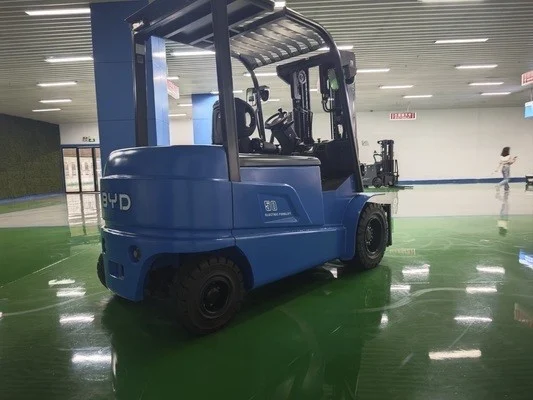
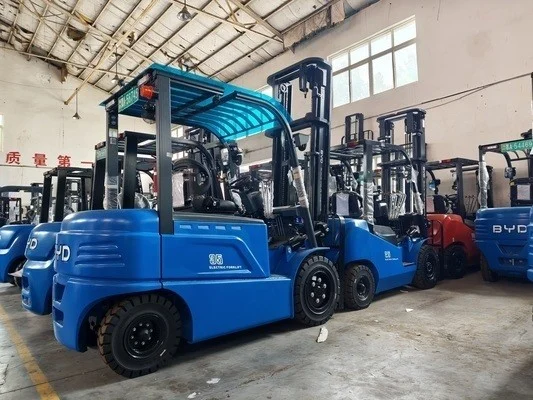
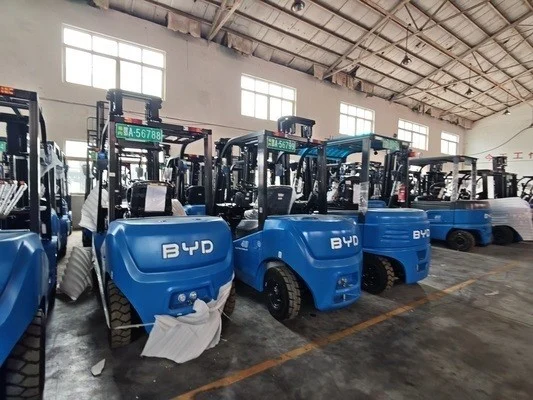
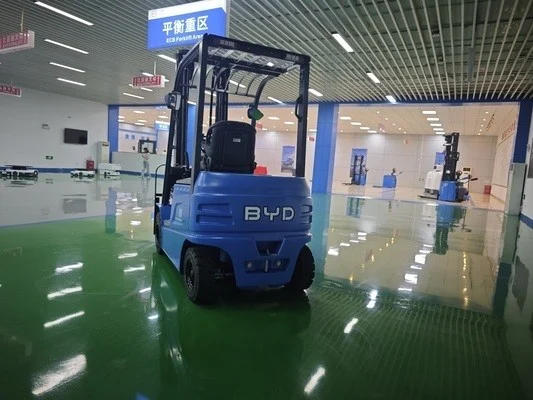
Counterbalance forklifts feature a weighted rear section that offsets heavy loads placed on the front forks. Most models come as three-wheel or four-wheel variants, with compact three-wheel versions fitting tighter warehouse aisles. Key visual traits include no protruding arms or outriggers at the front, letting the unit drive directly up to pallets or storage racks.
Common applications include indoor warehouse storage, loading and unloading transport trucks, and moving general cargo over flat, paved surfaces. Counterbalance models work with both electric and internal combustion power sources.
Key limitations: Counterbalance designs require extra turning room, so they do not work well in very narrow aisle storage setups. They also struggle on soft, uneven ground common across outdoor construction sites unless fitted with specialized tires.
Reach Forklifts
Reach forklifts feature extendable fork carriages that reach into high storage racks, built specifically to serve narrow aisle warehouse operations. Visually, these units include outriggers at the front to stabilize loads when the carriage extends upward, and most operate as stand-up rider models to save space.
Common applications include high-bay storage facilities where racking exceeds 20 feet in height, and operations prioritizing maximum storage density within a given warehouse footprint.
Key limitations: Reach forklifts only work on flat, paved indoor surfaces, and maximum load capacity tops out around 5000 pounds across most standard models. They cannot handle loading or unloading full transport trailers efficiently due to their extended design.
Pallet Jacks
Also called pallet trucks, pallet jacks count as the simplest forklift type, built to move loaded pallets over short distances. Visually, these units feature two long, low forks that slide under pallets, with a hydraulic lift to raise the load just enough to clear the ground. They come in manual and powered variants.
Common applications include transport truck unloading, backroom storage across retail facilities, and short-distance pallet movement within manufacturing cells.
Key limitations: Pallet jacks cannot lift loads to significant heights, so they do not serve needs requiring pallets placed into high storage racks. Manual models require significant physical effort from operators moving heavy loads over long distances.
Rough Terrain Forklifts
Rough terrain forklifts build on counterbalance design, engineered to operate in outdoor settings across uneven, unpaved ground. Visual traits include large, heavy-treaded tires, higher ground clearance, and often a diesel or gas-powered engine. Many models also feature mast tilt adjustment to stabilize loads on sloped ground.
Common applications include construction sites, lumber yards, outdoor storage lots, and agricultural operations moving heavy materials across rough ground.
Key limitations: Their large size and aggressive tires make them unsuitable for indoor warehouse use on finished concrete floors. They also consume more fuel than indoor electric models, increasing operating costs with regular indoor use.
Telehandler Forklifts
Telehandlers, also called telescopic handlers, feature a telescopic boom that extends forward and upward, with an interchangeable fork attachment. Visually, these units look like a cross between a crane and a forklift, with a large chassis and extended boom arm.
Common applications include construction site material placement, loading high-sided trucks, moving materials to upper levels of unfinished buildings, and agricultural hay handling when fitted with specialized attachments.
Key limitations: Telehandlers have lower load stability at full boom extension, so operators must strictly follow load chart guidelines to avoid tip-overs. They also require more advanced training to operate safely than standard counterbalance models.
Key Selection Criteria
When picking a forklift, consider these core factors matching your operational needs:
Operating Environment
Indoor operations require electric-powered units with non-marking tires to avoid damaging floors and eliminating exhaust emissions. Outdoor operations across uneven ground require diesel or gas power and aggressive tread tires to handle unstable terrain.
Aisle Width and Storage Height
Narrow aisle facilities require reach forklifts or very narrow aisle (VNA) models to maximize storage density. Facilities with wider aisles can use lower-cost counterbalance models. High-bay storage requires reach or VNA models with extended lift height capacity.
Load Capacity and Lift Height
Always confirm maximum load weight and required lift height before selecting a model. Most standard forklifts list load capacity at a specific lift height, so higher lift heights reduce maximum safe load across most designs.
Frequently Asked Questions
What separates a reach forklift from a standard counterbalance forklift?
Reach forklifts serve narrow aisle, high storage operations, with extendable forks that reach deep into high racks. Counterbalance forklifts offer more versatility, work well loading and unloading trucks, and require wider turning and aisle space. Visually, reach forklifts have front outriggers that counterbalance models do not include.
Can standard pallet jacks lift loads to storage rack height?
No, standard pallet jacks only lift loads a few inches off the ground to move them across short distances. Only full-sized forklifts or reach trucks can lift loads to standard storage rack heights.
Are rough terrain forklifts safe to use indoors?
Most rough terrain forklifts use internal combustion engines that produce exhaust, making them unsafe in enclosed indoor spaces. Their large aggressive tires also scratch and damage finished indoor concrete floors, so they are rarely used inside permanent facilities.
What training do operators need to operate different forklift types?
Most regional safety regulations require certified training specific to forklift operation. Training covers load capacity, safety rules, and operation specific to each type, as different designs handle very differently.
Final Selection Guidance
Start your selection process by mapping core operational needs: document your average and maximum load weight, required lift height, aisle width, and operating environment before reviewing available models. Use visual comparisons like this breakdown to narrow options to types that match your core requirements, then request full specification sheets from equipment suppliers to verify capacity and design traits. Prioritize certified safety training for all operators regardless of which forklift type you select, to reduce workplace incidents and extend equipment service life.