How to Select Factory-Grade Electric Forklifts Supporting Industrial Operational Requirements
News 03/10/2026
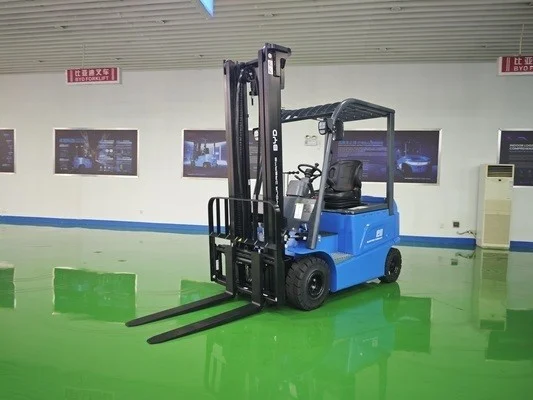
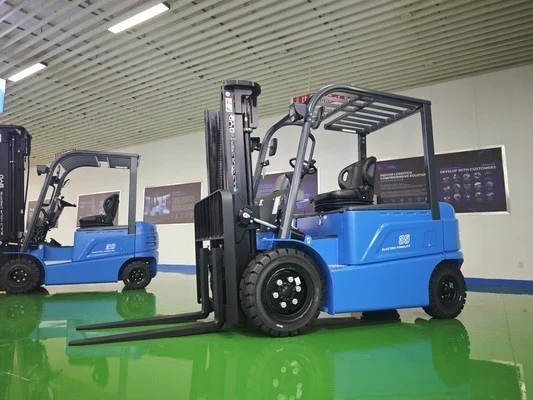
Many industrial facilities rely on electric forklifts to move heavy loads across production floors, warehouses, and loading yards. Selecting a unit built to withstand daily factory use prevents downtime, reduces safety risks, and aligns with long-term operational goals. This guide breaks down core selection criteria, common application scenarios, key limitations, and answers top questions facility teams face.
Core Selection Criteria To Match Factory Operations
Load Capacity And Lift Height Requirements
Factory operations move loads ranging from small component pallets to heavy raw material bulk. First, document your maximum routine load weight and the highest lift height you need. Standard factory-grade electric forklifts handle capacities between 3,000 and 15,000 pounds, with heavy-duty units reaching up to 30,000 pounds. Overloading a unit causes premature component wear and increases safety risks, so always account for unexpected peak load sizes beyond your average daily weight.
Battery Type And Runtime Needs
Lead-acid batteries remain common across many facilities due to lower upfront cost, but require regular maintenance including water top-offs and longer charge times. Lithium-ion batteries offer faster charging, longer overall service life, and no routine maintenance, but come with higher initial investment. Calculate your daily shift length to match runtime; multi-shift operations often require either quick-change battery banks or lithium-ion units that support opportunity charging during breaks.
Chassis Size And Facility Compatibility
Factory floors have different aisle widths and turning radius requirements. Narrow-aisle facilities need compact chassis designs to navigate tight spaces between storage racks and production lines. Outdoor yard operations adjacent to factory floors require larger, more stable chassis with rugged tires to handle uneven pavement. Measure your narrowest working aisle before finalizing any purchase to avoid compatibility issues after delivery.
Durability And Maintenance Design
Factory-grade units need protection from dust, moisture, debris, and frequent use. Prioritize sealed electrical components to prevent contamination from production byproducts like sawdust, metal shavings, or chemical residues. Models with easily accessible service points reduce downtime during routine maintenance, which cuts long-term operational costs.
Common Factory Application Scenarios
General Production Floor Material Movement
Most light to medium assembly factories move finished goods and component pallets between production lines and storage areas. These operations typically work with 3,000 to 6,000 pound capacities, and require compact units that can navigate around workstations. Electric options eliminate exhaust emissions, which improves air quality among on-floor workers compared to internal combustion models.
Cold Storage Factory Operations
Food processing and pharmaceutical factories often require forklifts that operate consistently in low-temperature environments. Standard electric batteries lose capacity quickly in temperatures below freezing, so specify units built with cold-weather battery packs and insulated component housings. This ensures steady runtime through full shifts in cold storage zones.
Heavy Manufacturing Raw Material Handling
Steel, automotive, and large component manufacturing deal with loads over 10,000 pounds. These applications need heavy-duty factory-grade electric forklifts with reinforced masts and high-torque drive systems to handle consistent heavy use.
Key Limitations To Consider Before Purchase
Electric forklifts have clear advantages within factory settings, but come with limitations that impact selection. First, upfront cost of lithium-ion models is significantly higher than lead-acid or internal combustion units, so align your choice with your budget timeline. Second, extreme outdoor conditions like heavy rain or uneven unpaved terrain can damage unrated electric components, so only use outdoor-rated units when operating off indoor factory floors. Third, charging infrastructure requires dedicated space and sufficient electrical capacity to support multiple units, so upgrade your facility power before adding a new fleet of electric forklifts.
Frequently Asked Questions
Are electric forklifts strong enough to handle daily factory use?
Modern factory-grade electric forklifts match or exceed the strength of many internal combustion models across most daily factory applications. Heavy-duty electric units can handle loads up to 30,000 pounds, making them a solid choice across most manufacturing and warehouse operations. Units built with durable sealed components withstand consistent daily use in harsh factory environments.
What charging infrastructure supports a fleet of electric factory forklifts?
Infrastructure needs depend on battery type and number of units. Lead-acid batteries typically require one dedicated charger per unit, plus space allocated to battery swapping when running multi-shift operations. Lithium-ion units support opportunity charging, so you can place shared chargers at break points across your facility. You will need to confirm your facility electrical system can handle the additional load from multiple high-power chargers before installation.
How do I balance upfront cost vs long-term operating expenses?
Lead-acid battery electric forklifts have lower upfront cost, but higher annual maintenance costs and shorter overall service life. Lithium-ion models have higher initial investment, but lower annual maintenance, longer service life, and lower energy costs per operating hour. Calculate total cost of ownership over the expected service life (usually 5 to 10 years) to make the best choice that fits your operation.
Can I use factory-grade electric forklifts outdoors?
Only units explicitly rated as outdoor-ready work reliably in outdoor conditions. Outdoor-ready electric forklifts have sealed components and rugged tires to handle moisture and uneven surfaces. Indoor-only models will suffer rapid component damage from exposure to rain, dirt, and uneven terrain.
Final Selection Steps
Start by documenting all your operational requirements: maximum load capacity, lift height, aisle width, shift length, and operating environment. Next, test drive shortlisted units within your actual facility to confirm maneuverability and performance matching your needs. Finally, calculate total cost of ownership including upfront purchase, infrastructure, maintenance, and energy costs to make a decision that aligns with your long-term operational goals. Working with a reputable supplier that offers on-site assessment and post-purchase service helps avoid common selection mistakes and ensures your new forklift supports consistent factory operation.