Key Safety Features Factory Electric Forklifts Require On Industrial Production Floors
News 07/10/2026
Industrial production floors host constant movement, heavy material transfers, and mixed traffic from equipment and workers. Factory electric forklifts serve as core material handling equipment, so mandatory safety features prevent serious injuries, property damage, and operational disruptions. This guide breaks down non-negotiable safety features every unit operating on active production floors needs, plus answers common questions facility teams ask when evaluating new or used equipment.
Core Visibility & Load Handling Safety Features
Overhead Impact Guards
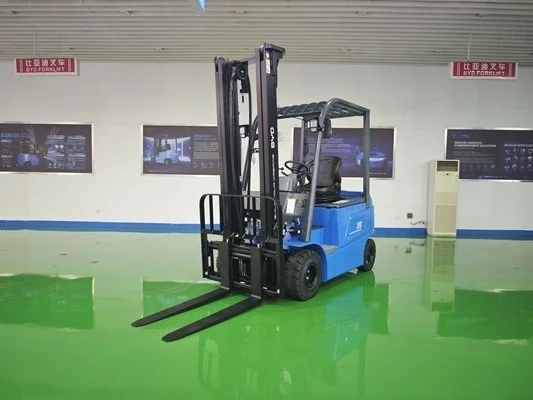
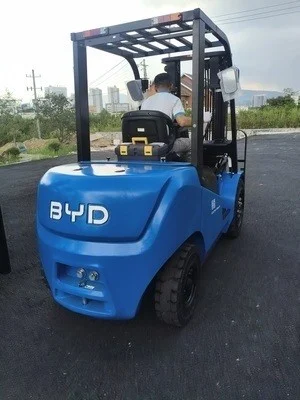
Falling objects represent one of the biggest risks to forklift operators on production floors. Overhead impact guards create a reinforced protective barrier above the operator compartment. These guards must meet global industrial safety standards, with sufficient load rating to withstand impact from falling crates, pallets, or improperly secured storage items. Guards leave unobstructed sight lines for the operator, so they maintain maneuverability while blocking falling hazards.
Load Backrest Extensions
Shifting loads can slide backward toward the operator compartment during transport or lifting. Load backrest extensions attach to the front of the forklift mast, and keep loads secured to the carriage during elevation changes. This feature prevents load shift incidents that can cause injury or damage to surrounding production line equipment.
Mast Design & Visibility Aids
Narrow masts with open viewing channels let operators clearly see load tines, the immediate travel path, and surrounding work areas. Many modern units include integrated high-mounted rearview mirrors and camera systems to eliminate blind spots, especially important in congested production floors with multiple workers and equipment operating nearby.
Operator & Stability Safety Features
Automatic Parking Brakes
Manual parking brakes rely on operator action to engage, which leads to human error on busy production floors. Automatic parking brakes engage when the operator leaves the seat, or when the unit sits idle for a set period. This prevents unintended rollaway on sloped floors or loading docks, a common cause of collisions and injuries.
Stability Control Systems
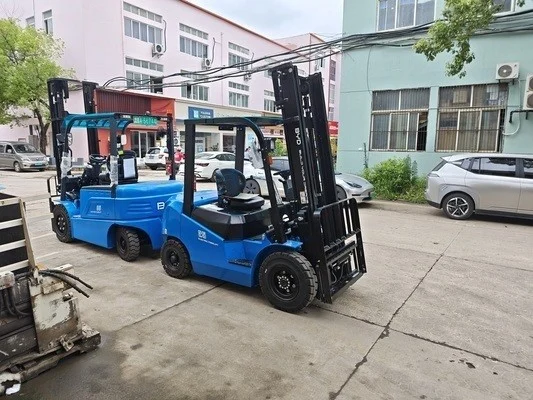
Factory electric forklifts operate on uneven or debris-covered floors often. Stability control systems monitor load weight, mast angle, and vehicle tilt in real time. Systems reduce power and limit mast movement if the unit approaches unsafe tip angles, preventing rollover incidents. Rollovers are the leading cause of fatal forklift-related incidents, so this feature delivers critical protection.
Ergonomic Operator Compartments
Fatigue impairs operator judgment and reaction time, especially during long shifts common in production environments. Ergonomic compartments include adjustable seats, intuitive control placement, and reduced vibration transmission to the operator. Less fatigue means fewer errors, and better overall decision-making during operation.
Workplace & Pedestrian Protection Features
Audible and Visual Movement Alerts
Production floors often have high ambient noise from machinery, so standard horns may not cut through background sound. Modern units include adjustable volume horns, blue spot lights that project onto the floor ahead of the travel path, and flashing beacons. These alerts let workers know a forklift approaches even around corners or behind production equipment, reducing surprise collisions.
Emergency Cutoff Controls
Easy access emergency cutoffs immediately disable all power to the forklift if an incident occurs. The cutoff switch should sit within easy reach of both the operator and nearby workers, so anyone can stop operation if the operator becomes incapacitated or a hazard emerges.
Collision Avoidance Tools
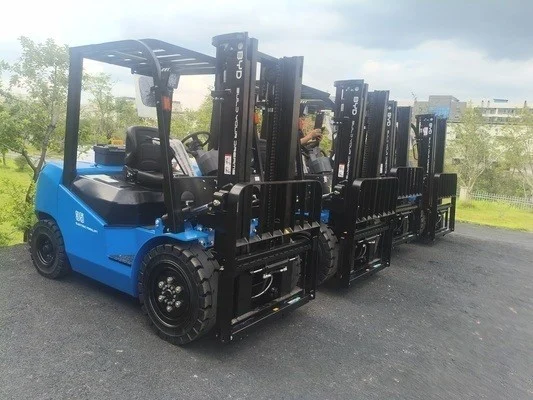
Many new factory electric forklifts include proximity sensors that alert the operator or slow the unit when it detects workers or obstacles within a set distance. These tools add an extra layer of protection in congested areas where visibility remains limited, even with good mast design and mirrors.
Frequently Asked Questions
Do used factory electric forklifts need updated safety features?
Yes. All units operating on active production floors must have core safety features in good working order, regardless of age. Used units should undergo full safety inspections before entering service, and any damaged or missing features (such as broken overhead guards or non-functional brakes) must receive repairs or replacement before operation. Facilities must update older units with modern alert systems or automatic brakes if current safety standards require these additions.
Which safety features matter most in congested production facilities?
Congested facilities with high mixed pedestrian and equipment traffic prioritize visibility aids, movement alerts, and proximity collision avoidance systems. These features reduce the risk of pedestrian collisions, the most common incident type in crowded production environments. Stability controls and overhead guards remain mandatory, but added pedestrian protection features deliver the greatest benefit in these settings.
Are electric forklifts safer than internal combustion units on production floors?
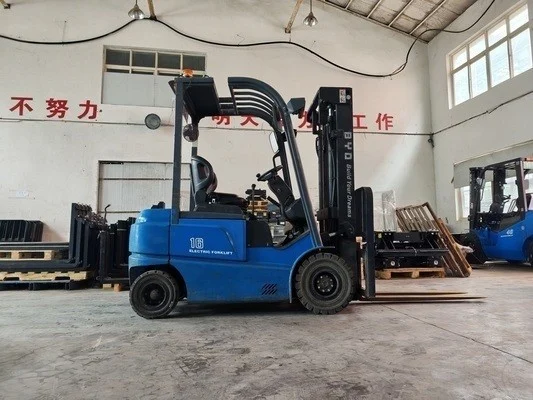
Electric forklifts produce zero tailpipe emissions, making them better suited to indoor production floors where ventilation remains limited. They also operate with lower noise levels than internal combustion units, which reduces overall workplace noise pollution. However, safety depends entirely on installed safety features and proper operator training, not just power source. Electric units without mandatory safety features still pose significant risk to workers and facilities.
How often should safety features receive inspections?
Most industrial safety standards require pre-shift inspections of key forklift safety features, including brakes, alerts, cutoffs, and overhead guards. Any issues found during inspection must get addressed before the unit enters service that day. Annual full inspections by qualified technicians also check structural integrity of guards, stability system calibration, and sensor function.
Safety features on factory electric forklifts protect workers, reduce operational downtime, and prevent costly property damage. When evaluating equipment serving your production floor, prioritize core features that address specific hazards within your work environment: congested spaces need added pedestrian protection, facilities with high racking need strong overhead guards, and uneven floors require reliable stability controls. Always confirm all safety features work correctly before placing any unit into service, and maintain regular inspection schedules to keep protection active across the equipment lifespan.