Indoor Electric Forklift Specification Decisions: Load Chart, Lift Height, Battery Voltage, and Charging Window Checks Before You Commit to a Four-Wheel Counterbalance Truck
News 23/10/2026
Understand Core Indoor Operation Constraints
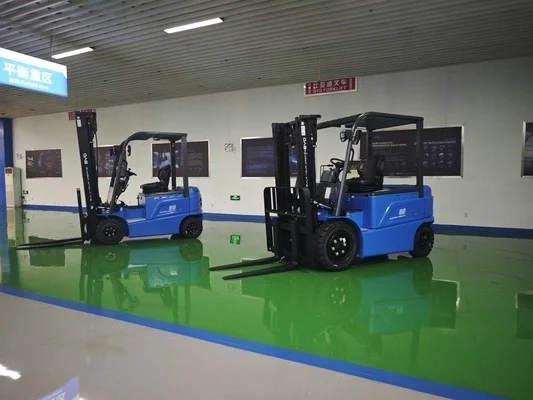
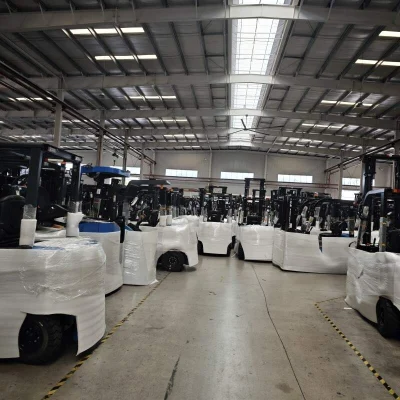
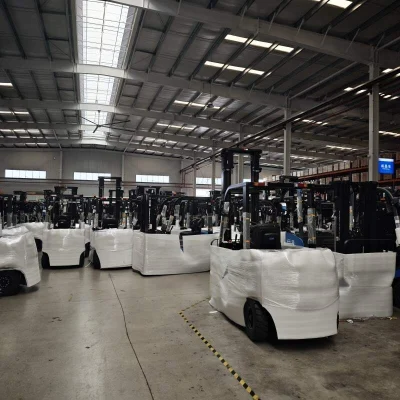
Most indoor warehouses, manufacturing facilities and retail back-of-house storage use smoother, paved concrete surfaces. These environments also have narrower aisle widths, lower ceiling clearance and stricter emissions rules than outdoor yards. Four-wheel counterbalance electric forklifts work well in these spaces, thanks to zero direct emissions and compact overall footprint compared to larger internal combustion models. You still need to align key specifications to your site before finalizing your purchase. Generic off-the-shelf models may leave you with unstable lifting, insufficient power or long unplanned downtime mid-shift.
Load Chart Interpretation Matches Your Actual Work Needs
A forklift load chart lists maximum safe weight your truck can lift at specific lift heights and load centers. Many new buyers skip full chart review and only look at maximum rated load, which creates safety and performance issues. Most indoor storage tasks move loads with standard 500mm or 600mm load centers. If your loads sit further from the truck’s front axles, your truck’s maximum safe load drops. Cross reference the chart’s values against the heaviest load you regularly move, not just the average. If you handle odd-sized or oversized loads, confirm your load center distance matches the chart’s listed values before you select your model.
Key Load Chart Check Points
- Confirm maximum rated load matches your heaviest common load at your typical working lift height
- Verify load center distance matches the size of pallets or containers you use
- Check rated load at your maximum lift height to avoid stability issues
Lift Height Adjustments Affect Overall Stability
Indoor ceiling height directly limits your forklift’s maximum usable lift height. Taller masts add extra weight to your truck’s front end, which reduces maximum safe load at higher elevations. If you only need lift 3 meters to reach top storage rack levels, you do not need a 6 meter mast. Extra mast height adds unnecessary cost and reduces your truck’s overall load capacity at common working heights. Measure your ceiling clearance before you order, and add 150-200mm extra clearance to account for mast and attachment height above the forks.
Four-wheel counterbalance electric forklifts typically require wider aisles than three-wheel or narrow-aisle reach models. Measure your aisle width before you confirm your truck size. Standard four-wheel counterbalance models work in aisles 3.5 meters wide or wider, but smaller capacity models fit slightly narrower spaces if needed.
Battery Voltage and Charging Window Planning
Lithium battery options power most modern four-wheel counterbalance electric forklifts used indoor. Battery voltage directly correlates to overall power output and runtime per charge. Higher capacity trucks need higher voltage batteries to handle heavy loads across full work shifts. Common voltage options range from 48V on smaller 1.5-3 ton models up to 80V on larger 4-5 ton units.
Charging window planning matches battery capacity to your daily work schedule. Most indoor operations run one or two shifts per day. Lithium batteries support opportunity charging during breaks, which lets you extend runtime without full battery swap out. Plan your charging location near loading or storage zones, and confirm your facility electrical system supports required charger output. If you run two full shifts per day, you may need a larger capacity battery to avoid mid-shift charging pauses that cut into productivity.
Frequently Asked Questions
Can four-wheel counterbalance electric forklifts work in all indoor spaces?
Four-wheel counterbalance electric forklifts work well in most general indoor handling, loading and storage tasks. They do require wider aisles than narrow-aisle or reach forklifts, so they may not fit very tight storage facilities with aisles narrower than 3 meters. Your site measurement will confirm compatibility.
Do I need a higher voltage battery than my base model includes?
Most single shift operations meet their runtime needs with base model battery options. If you run extended shifts or handle heavy loads consistently, higher capacity higher voltage batteries extend runtime between charges. Our team can help you match battery capacity to your daily work schedule.
Why does load chart reading matter more than rated maximum load?
Rated maximum load only applies at the rated load center and base lift height. Any change to either value reduces maximum safe load you can lift. Skipping this check can lead to tip-over risks, premature component wear or inability to lift your heaviest loads to required heights.
After you complete all these specification checks, share your site measurements, load requirements and work schedule with our team. We can help you match the right BYD four-wheel counterbalance electric forklift to your indoor operation needs.