Indoor Electric Forklift Charging Room Planning: Ventilation, Power Supply, and Fire Separation Checks When Adding a Four-Wheel Counterbalance Truck
News 12/11/2026
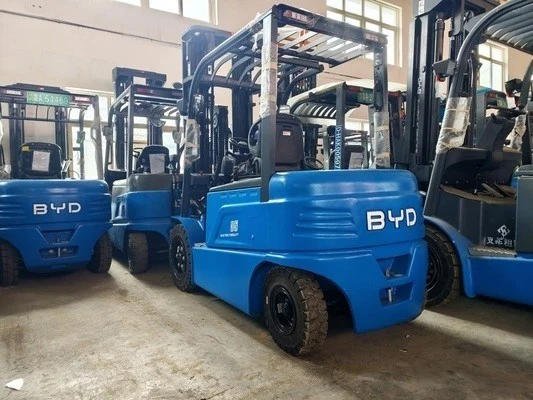
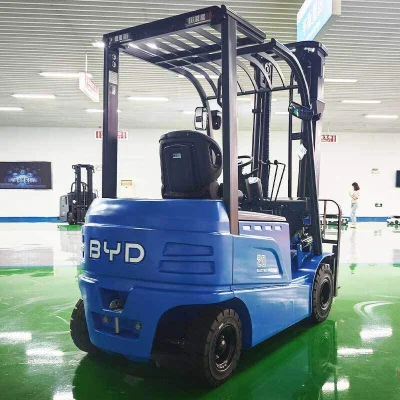
Adding a four-wheel counterbalance electric forklift to an existing building is rarely a plug-and-play decision. The charging room often becomes the bottleneck: it may lack adequate airflow, spare electrical capacity, or a fire separation strategy that satisfies the local authority having jurisdiction. This guide walks through the practical checks a facility team should complete before the truck arrives, focusing on indoor electric forklift charging areas that serve four-wheel counterbalance trucks with lithium battery packs.
Treat the points below as a planning framework, not a substitute for local code review. Requirements vary by country, region, and building type, and only the authority having jurisdiction can confirm what your site must satisfy.
Start With the Charging Load, Not the Truck
The charging room design begins with the energy demand, not the vehicle footprint. Two trucks with similar lifting capacity can place very different loads on a building depending on battery capacity, charger output, and shift pattern.
Collect the following before contacting an electrician or ventilation contractor:
- Battery voltage and rated capacity (kWh) from the manufacturer’s datasheet
- Charger input voltage, phase, and rated input current
- Expected charging window: opportunity charging during breaks, full-shift charging, or overnight
- Number of trucks charging simultaneously at peak
- Whether chargers are wall-mounted, floor-standing, or integrated into the truck
If the datasheet does not state charger input current, request it from the supplier. Do not estimate from battery capacity alone; charger efficiency and power factor affect the actual building load.
Ventilation Checks
Ventilation requirements depend on battery chemistry. Lithium iron phosphate packs used in many modern electric trucks do not release the same gases as flooded lead-acid batteries during normal charging, but the room still needs thermal management and a plan for abnormal events.
Heat Removal
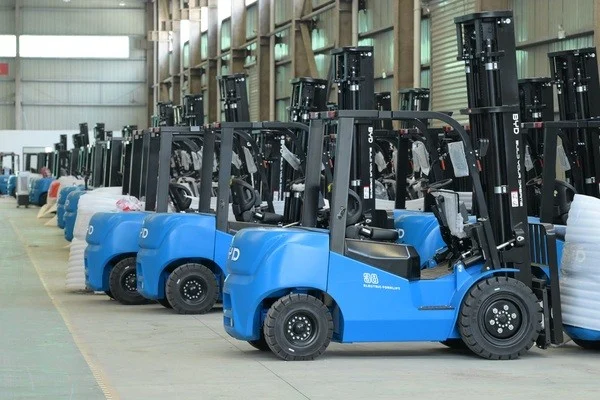
Chargers and batteries generate heat. A small enclosed room with no airflow can exceed the charger’s rated ambient temperature, which may cause derating or shutdown. Confirm the charger’s allowable ambient temperature range and compare it with the measured summer temperature inside the room. If the room runs warm, mechanical ventilation or air conditioning may be needed.
Airflow Path and Clearances
Check that chargers have the clearance specified in their installation manual, typically around the cabinet sides and rear. Blocked vents are a common commissioning error when rooms are tight. Also confirm that ventilation openings do not compromise the fire separation described later.
What to Ask the Supplier
Request written guidance on ventilation and ambient temperature limits specific to the charger model you plan to install. If the supplier cannot provide it, that is a reason to pause rather than guess.
Power Supply and Electrical Capacity
Electrical capacity is the check most likely to delay a project. A four-wheel counterbalance truck charger can draw a substantial current, and existing distribution boards may have little headroom.
Capacity and Diversity
Ask an electrical engineer to compare the connected charging load with the building’s available capacity, applying appropriate diversity factors if not all chargers run at once. Document the assumed charging schedule, because diversity assumptions are only valid if operations follow them.
Dedicated Circuits and Protection
Chargers should be supplied by dedicated circuits with protection rated to the charger’s requirements. Confirm cable sizing, isolation, and emergency stop arrangements with the electrical designer. Do not rely on extension leads or shared socket outlets.
Earthing and Charging Interface
Verify the earthing arrangement and the compatibility of the charger connector with the truck’s charging interface. Connector mismatch discovered on delivery day is avoidable through a pre-order technical review.
Fire Separation and Room Layout
Fire separation requirements vary widely. Some jurisdictions treat lithium battery charging as a higher-risk activity and expect a fire-rated enclosure, detection, or suppression; others apply general electrical and building rules. The planning task is to establish what applies to your site before construction begins.
Questions to Put to the Authority Having Jurisdiction
- Does the charging area require a fire-resistance-rated separation from occupied space or storage?
- Are smoke or heat detection and alarm devices required in the room?
- Is a suppression system expected, and if so, which type?
- Are there limits on locating charging near combustible storage or escape routes?
- What signage and emergency procedures are required?
Layout Principles That Usually Help
Keep charging positions clear of escape routes and combustible materials. Provide space to disconnect a charger and move a truck away in an emergency. Store charging cables so they are not damaged by truck traffic. Confirm that doors and ventilation openings are consistent with the agreed fire separation strategy.
In a hypothetical layout, a room adjacent to a warehouse wall might be separated by a rated wall, with detection linked to the building alarm and a clear exit path. The exact specification must come from your local code review, not from a generic template.
Commissioning Checklist and Common Mistakes
Before the truck enters service, walk the room against a written checklist:
- Charger input current and circuit protection match the datasheet.
- Ambient temperature in the room stays within the charger’s rated range during a full charging cycle.
- Ventilation openings and clearances are unobstructed.
- Fire separation, detection, and signage match the approved plan.
- Emergency stop, isolation, and cable management are in place.
- Operators know the charging procedure and whom to contact if a fault appears.
Common mistakes include ordering the truck before confirming electrical capacity, assuming a spare socket is adequate, blocking charger vents with stored goods, and treating fire separation as a formality. Each is cheaper to fix before installation than after.
If you are planning a charging area and want to confirm the charger and battery configuration of a four-wheel counterbalance electric forklift against your site conditions, share your shift pattern, available supply, and room dimensions with our team. We can discuss the selection and configuration options supported by the product documentation we hold, and identify the parameters your electrical and fire consultants will need to verify.
Frequently Asked Questions
Can a four-wheel counterbalance electric forklift be charged in a general warehouse area?
Sometimes, but it depends on local fire and electrical rules, charger ambient limits, and whether the area is protected from traffic and combustible storage. Confirm the arrangement with your authority having jurisdiction and electrical designer before relying on it.
Does a lithium battery charging room need mechanical ventilation?
Not always. Normal charging does not produce the same gas release as flooded lead-acid charging, but heat removal and abnormal-event planning still matter. Check the charger’s ambient temperature specification and the room’s measured conditions.
How much electrical capacity should be reserved?
There is no universal figure. The answer depends on charger input current, the number of simultaneous charging positions, and the diversity assumptions in your charging schedule. An electrical engineer should calculate it using the manufacturer’s datasheet values.
What documents should be ready before installation?
Gather charger datasheets, battery specifications, the electrical design, the ventilation assessment, and the fire separation plan approved by the relevant authority. Missing documents are a common cause of commissioning delays.