Indoor Electric Forklift Procurement: A Practical Checklist to Compare Four-Wheel Counterbalance Models, Battery Options, and Charging Requirements
News 21/10/2026
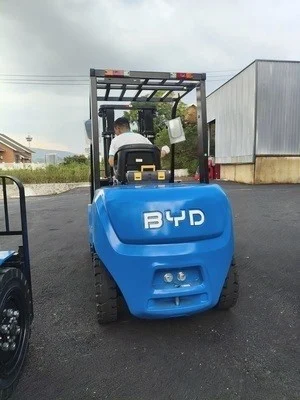
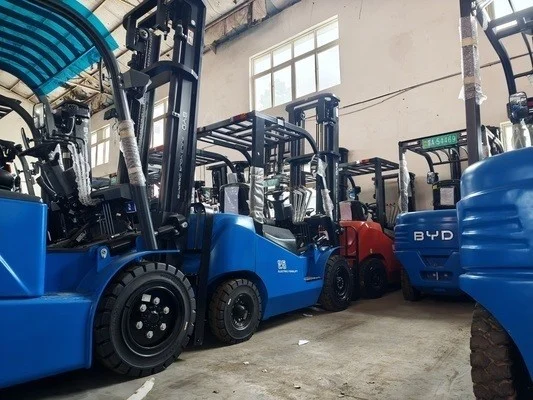
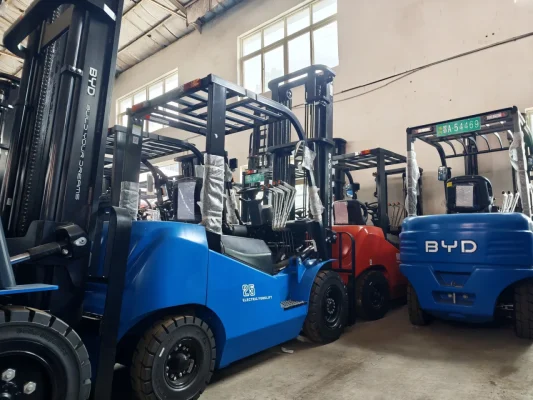
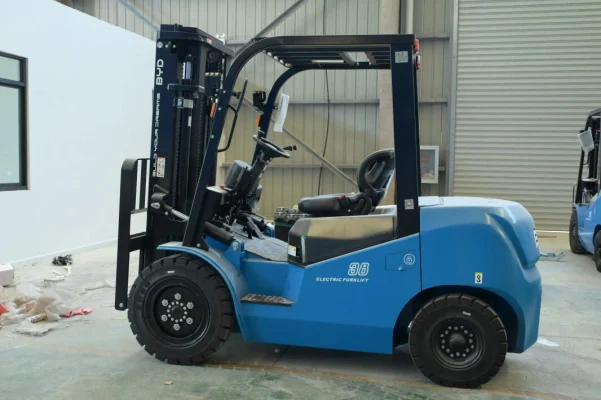
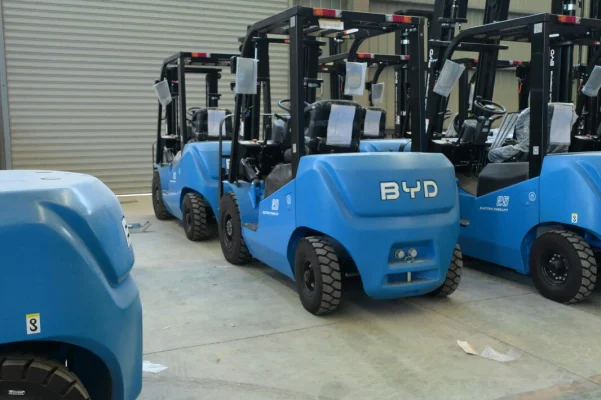
When sourcing indoor electric forklift, you need structured comparison approach avoid mismatched model selection. This checklist walks through core factors evaluate four-wheel counterbalance electric forklift, the most common general-purpose electric option indoor manufacturing, warehouse and retail operations.
Core Space & Load Constraints Indoor Operation
Your first comparison step must confirm site dimensions match selected model operational requirements. Indoor spaces all have unique limits that impact model compatibility. Key parameters evaluate include:
- Aisle width: Four-wheel counterbalance models require wider turning clearance than some alternative forklift designs. Measure your narrowest working aisle and share this dimension with your supplier to confirm compatibility.
- Turning radius: Confirm model turning radius fits your aisle width, especially around corners and loading docks connected to indoor storage areas.
- Floor load capacity: Indoor floors often have lower weight limits than outdoor yards. Check your floor rated capacity before finalizing model selection, as heavier battery configurations add overall vehicle weight.
Next confirm load capacity matches your heaviest regular load. Four-wheel counterbalance electric forklift models offer a wide range of load ratings, so match your rating to your typical load weight plus a small safety buffer. You must also confirm load center distance matches your most common load size, as this impacts maximum effective lifting capacity.
Lithium Battery Options Comparison
Most modern four-wheel counterbalance electric forklift designed indoor use come with lithium iron phosphate battery configurations. Compare core battery attributes based on your operational schedule:
| Battery Attribute | Standard Capacity | Extended Capacity |
|---|---|---|
| Typical Runtime Single Shift | Full 8-hour operation single shift | Full 12+ hour operation two consecutive shifts |
| Overall Vehicle Weight | Lower | Higher |
| Upfront Cost | Lower | Higher |
Extended capacity batteries remove battery swap requirements when your facility runs multiple consecutive shifts. Lithium batteries also maintain consistent voltage output through full discharge cycles, which keeps lifting performance steady across entire work periods. This delivers more predictable operation than older lead-acid alternatives.
Charging Infrastructure Requirements
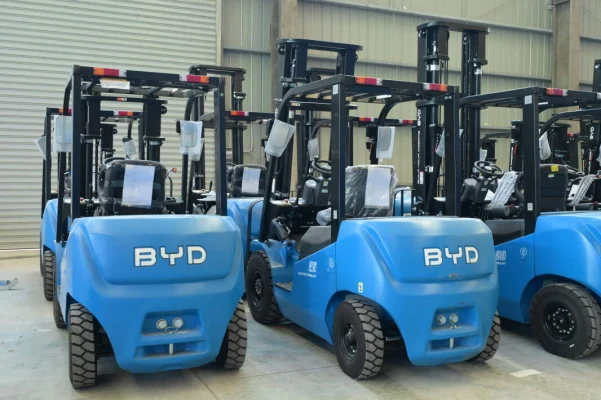
Charging needs vary based on your operational schedule and facility power capacity. Evaluate two common approaches indoor four-wheel counterbalance electric forklift:
Opportunity Charging
This approach uses short charging sessions during break times, lunch periods or shift changes to top up battery power. It works well facilities running multiple daily shifts, as it maintains consistent battery level throughout the day. You will need enough available power outlets near your work area to support this setup.
End-of-Shift Full Charging
This approach charges the battery fully after each work shift completes. It requires dedicated charging space, and works best single-shift operations. This approach needs fewer high-capacity power outlets, as only one charging session occurs each day.
Confirm your facility power supply can handle maximum charging load from all forklift units you plan purchase. Older buildings may need power system upgrades to support fast charging multiple lithium battery units.
Frequently Asked Questions
Can four-wheel counterbalance electric forklift operate in enclosed indoor spaces?
Yes, fully electric models produce no exhaust emissions, so they meet most enclosed indoor air quality standards. You still need confirm your aisle width matches model turning radius, as four-wheel designs need slightly more turning space than some other forklift types.
What battery type fits multi-shift indoor operation?
Lithium batteries support fast charging during break periods, which eliminates battery swap requirements. This fits facilities running multiple daily work shifts, as you avoid downtime associated with manual battery changes.
Do all indoor sites need dedicated charging areas?
It depends on your facility layout and local safety regulations. Lithium battery charging stations can locate near active operation zones when installed meet all applicable safety standards. Some facility managers prefer dedicated separated areas, however, to manage cable clutter and reduce potential fire risk.
After you complete your checklist evaluation, share your site dimensions, load requirements and operational schedule with your supplier to get tailored model recommendations. This helps narrow options and find a four-wheel counterbalance electric forklift that matches all your indoor operation needs.