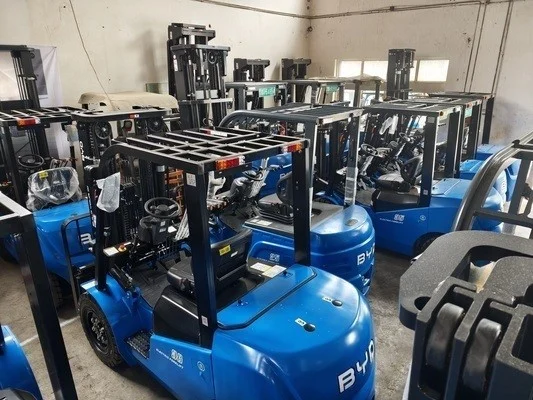
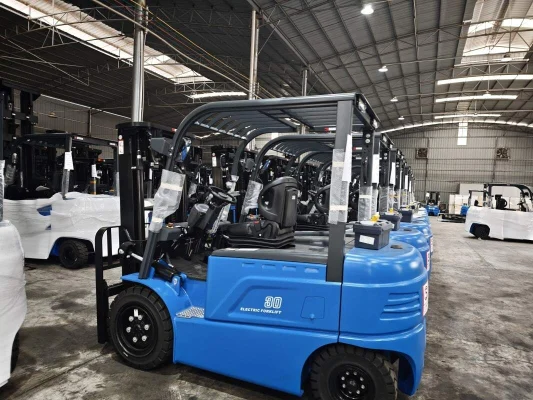
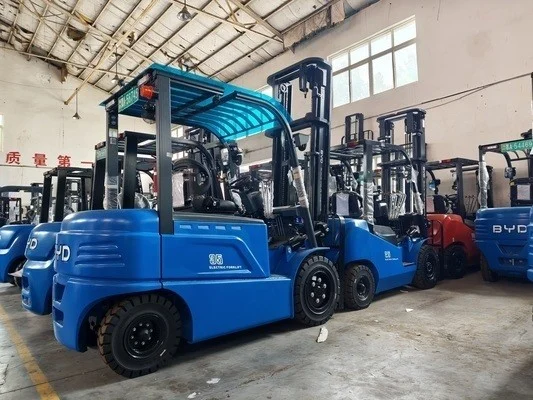
Integration Considerations When Adding BYD counterbalance forklift To Existing Electric Material Handling Fleets
News 10/10/2026
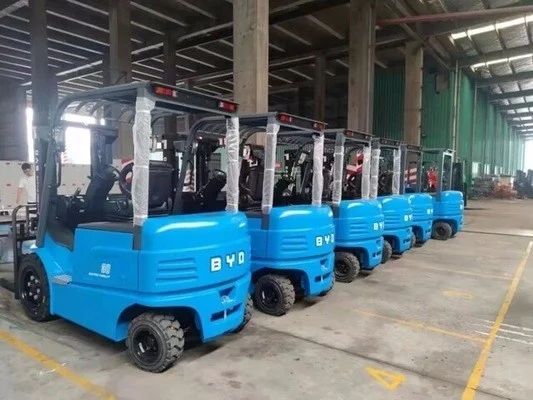
Many fleet managers already operate multiple electric material handling units, and want add a BYD counterbalance forklift to expand capacity or replace older units. BYD counterbalance forklifts use lithium iron phosphate (LFP) batteries, which differ from many older lead-acid electric models common in existing fleets. Successful integration depends on aligning new equipment with your current infrastructure, operational workflows, and maintenance practices. This guide breaks down core areas you must assess before deployment.
Charging Infrastructure Compatibility
BYD counterbalance forklifts typically come with their own proprietary charging systems, which may not match plug types or power requirements of your existing charging stations. That is a common first issue that causes delayed deployment if unaddressed.
Power Capacity Checks
Most BYD counterbalance forklift models require higher input power than older lead-acid electric forklifts. You need confirm your facility electrical service can handle additional load from new chargers, especially if you plan charge multiple units during off-shift hours. Overloaded circuits create safety risks and reduce charging efficiency. Always get a licensed electrician to audit your current service capacity before finalizing your order.
Plug and Connector Standard Alignment
Some older electric fleet charging setups use SAE J1772 or other regional connectors that do not match BYD’s default connectors. Adapters are available in some cases, but you should verify long-term reliability of adapter use before committing, as improper connections can damage battery or charger components. Also, check available space needed to accommodate new BYD chargers, as they often have different footprints than older lead-acid chargers.
Operational Workflow Alignment
BYD counterbalance forklifts offer different run time and maintenance characteristics than many older electric models, which changes daily fleet operations.
Shift and Run Time Planning
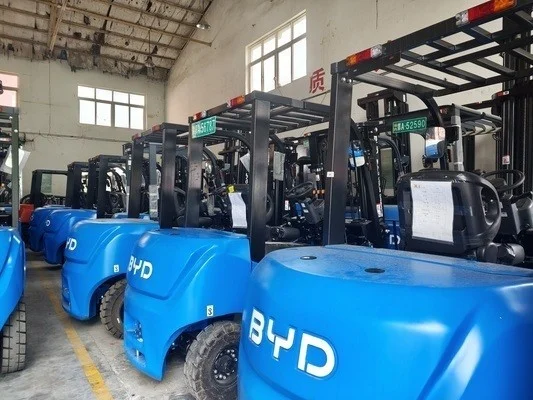
LFP batteries in BYD counterbalance forklifts often deliver full shift operation on a single charge, eliminating the need for mid-shift battery swaps common with older lead-acid models. If your existing fleet relies on battery swap bays, you can repurpose that space to accommodate other uses, but you need adjust operator routines to reflect opportunity charging practices that work best with LFP batteries. Unlike lead-acid batteries, LFP units tolerate frequent opportunity charging without reducing battery lifespan, which adds flexibility to your operations.
Operator Training Requirements
Operators familiar with older counterbalance forklifts may need brief training on BYD’s different acceleration, braking, and regenerative braking features. Regenerative braking extends battery life but changes stopping feel, which requires a short adjustment period. Training also covers proper charging protocols for LFP batteries, which differ from lead-acid care.
Maintenance Process Integration
Your current maintenance team and workflows need adjustments to support new BYD counterbalance forklifts.
Technical Knowledge and Certification
BYD requires specific training for service teams working on its LFP battery systems and powertrains. If your in-house team currently only services older lead-acid electric forklifts, you need plan for training or certified third-party service arrangements before taking delivery of new units. This ensures you maintain valid warranty coverage and avoid improper service that causes downtime.
Spare Parts Inventory Alignment
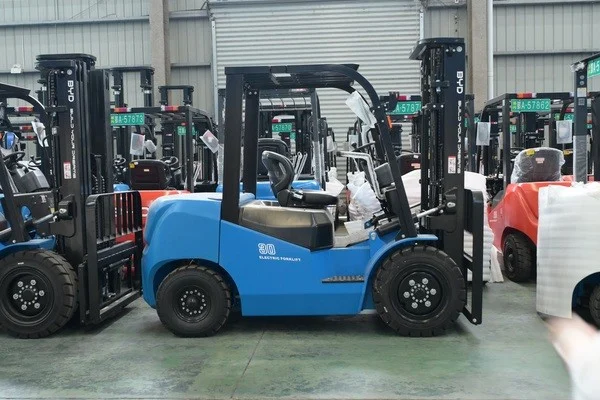
BYD counterbalance forklifts use unique components for their powertrain and battery management systems, which are not interchangeable with other brands in your existing fleet. You need confirm local parts availability and plan minimum on-site inventory of common wear items to avoid unexpected downtime.
Weight and Capacity Compatibility
BYD counterbalance forklifts have different weight distributions than many comparable capacity units from other brands. You need confirm they work with your existing facility layouts and material handling tasks. Check floor load ratings in areas where the forklift will operate, especially in older warehouses or multi-level facilities. Also confirm lift capacity matches your common load sizes and stacking heights, to avoid overloading that reduces safety and equipment lifespan.
Frequently Asked Questions
Can I use my existing charging station with a BYD counterbalance forklift?
Compatibility depends on plug type, power output, and electrical rating. In some cases, certified adapters work, but many fleets need install dedicated BYD chargers to maintain battery warranty protection and optimal performance. Always confirm compatibility with your local BYD dealer before purchase.
Do BYD counterbalance forklifts work alongside older lead-acid electric forklifts?
Yes, they operate alongside other electric models without issues. The main changes relate to infrastructure and maintenance workflows, not daily operation alongside other units.
What is the biggest common integration mistake fleet managers make?
The most common mistake is failing to assess facility electrical capacity before delivery. This leads to delayed deployment, unexpected upgrade costs, or unsafe operating conditions when new chargers draw more power than existing service can handle.
Do I need special insurance coverage for a new BYD counterbalance forklift?
Most commercial fleet insurance policies cover new industrial equipment additions, but you should notify your insurance provider of the new unit to update your policy and confirm coverage limits match the equipment value.
Adding a BYD counterbalance forklift to your existing electric material handling fleet delivers benefits like longer battery life and lower long-term maintenance, but successful integration depends on early planning across charging, operations, maintenance, and facility compatibility. Complete all assessments before placing your order to avoid unexpected costs and deployment delays. Work closely with your local BYD dealer to confirm all alignment with your current fleet setup.