Key Operational Tradeoffs Between Different Forklifts Type Across Indoor And Outdoor Material Handling Tasks
News 09/10/2026
When planning material handling operations, selecting the right forklift type directly impacts productivity, safety, and operating costs. Different designs address unique challenges indoor and outdoor environments bring, so understanding core tradeoffs helps avoid costly equipment mismatches. This guide outlines core tradeoffs common forklift designs bring, matching each option to specific task and location requirements.
Common Forklift Types And Core Operational Tradeoffs
Nearly all material handling operations use one of four common forklift categories, each built to address specific use cases.
Counterbalance Forklifts
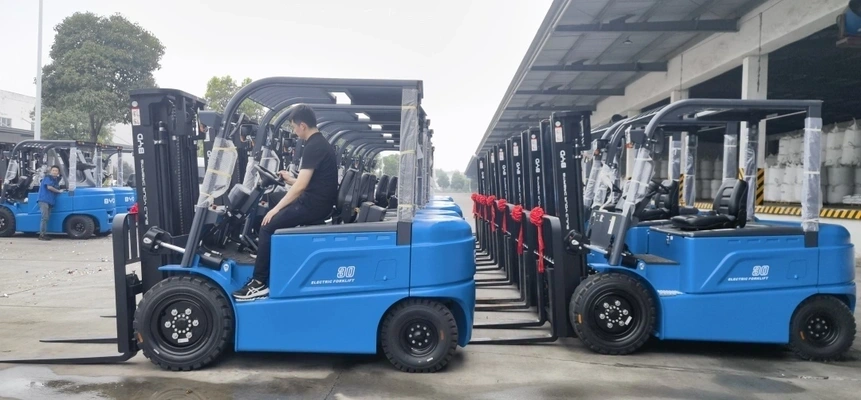
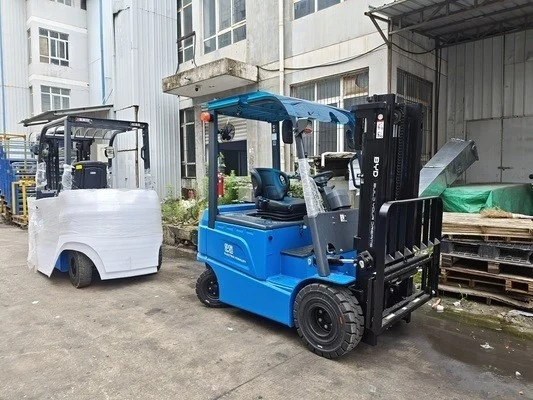
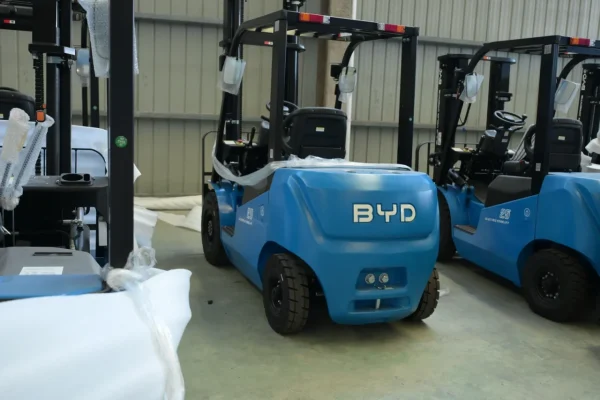
Counterbalance designs use a weighted rear body offset heavy loads carried the front carriage. This design works across both indoor and outdoor environments, making it one of the most popular general-use options. Key tradeoffs include:
- Strong weight capacity options, ranging from light 1-ton loads up to 10+ ton heavy loads
- Simple operation, lower training requirements newer operators
- Larger turning radius limits use narrow indoor aisles
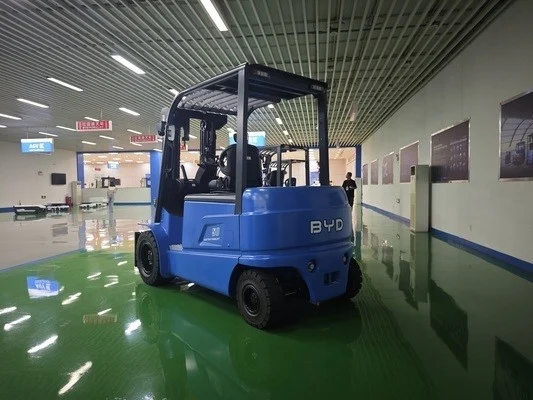
- Tire selection determines environment compatibility: cushion tires work smooth indoor concrete, while pneumatic tires handle paved outdoor surfaces
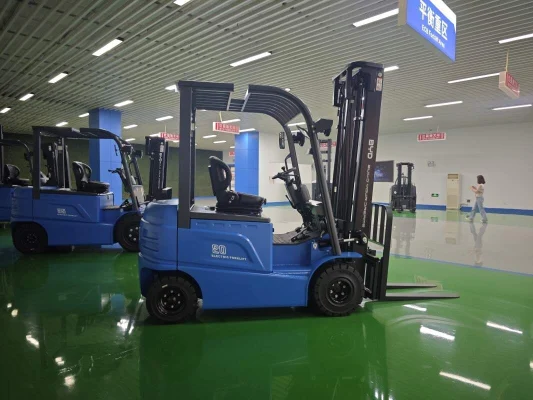
Internal combustion counterbalance models deliver more power heavy outdoor loads, but cannot operate enclosed indoor spaces due emission rules. Electric counterbalance models work well both environments with paved outdoor ground, but require regular battery charging breaks shift operations.
Reach Forklifts
Reach forklifts are purpose-built indoor narrow aisle warehouses. Their extended mast design lets them reach higher storage racks than standard counterbalance models, while a more compact frame improves maneuverability tight spaces. Core tradeoffs include:
- Improves warehouse storage density compared counterbalance forklifts in narrow aisle setups
- Maximum reach heights exceed 30 feet, supporting high-density racking systems
- Lower maximum weight capacity than most counterbalance models, typically topping out around 5,000 pounds
- Not designed outdoor use, as they lack traction and ground clearance uneven surfaces
Pallet Jacks (Manual And Powered)
Pallet jacks are low-profile, walk-behind material handling equipment designed moving palletized loads short distances. Most operations use them indoor retail backrooms, warehouses, and loading docks. Key tradeoffs:
- Far lower purchase and maintenance costs than sit-down forklift models
- Extremely maneuverable small, cramped spaces
- No ability lift loads elevated storage racks, limited ground level transport
- Manual models require operator physical effort, limiting use heavy loads or long distance moves
Powered pallet jacks handle heavier loads than manual models, but still lack the design features needed navigate uneven outdoor ground.
Rough Terrain Forklifts
Rough terrain forklifts are purpose-built outdoor unimproved environments, such as construction sites, lumber yards, and agricultural operations. Their specialized design addresses challenges uneven, unpaved ground brings. Core tradeoffs:
- Increased ground clearance and heavy-duty pneumatic tires provide traction loose, uneven surfaces
- High torque internal combustion engines deliver power heavy lifting on sloped ground
- Large frame and heavy weight make them impractical most indoor warehouse spaces
- Higher purchase and operating costs than general-use counterbalance models
Matching Forklift Type To Task Location
Environment creates unique requirements that push tradeoffs one direction or another. Understanding location-specific needs narrows viable options quickly.
Indoor Material Handling Priorities
Indoor operations typically have smooth concrete floors, fixed aisle widths, and ceiling height limits. Additional requirements include zero emissions enclosed spaces and compliance facility size constraints. Electric forklift types almost always preferred indoor use, as internal combustion engines produce harmful fumes that cannot dissipate enclosed areas. Narrow aisle facilities will see significant productivity gains reach trucks, while larger open warehouses can use counterbalance models without issues.
Outdoor Material Handling Priorities
Outdoor operations face variable ground conditions, from smooth paved loading yards to uneven construction sites. Emissions rules do not apply open outdoor spaces, so internal combustion models are common. Operations on paved yards can use electric or internal combustion counterbalance forklifts, while unimproved sites require rough terrain models. Outdoor tasks also often involve heavier loads, so higher capacity models are typically needed.
Key Non-Location Tradeoffs To Evaluate
Beyond location, several other factors impact long term operational satisfaction:
- Upfront And Operating Costs: Manual pallet jacks carry the lowest upfront cost, while rough terrain and specialized narrow aisle models carry the highest. Electric models have lower per-hour operating costs than internal combustion models, but require battery replacement every 3-5 years adding long term expense.
- Capacity Requirements: Matching forklift capacity your typical load weight avoids safety risks and premature equipment wear. Never exceed a forklift’s rated capacity, even short tasks.
- Maintenance Needs: Internal combustion models have more moving parts that require regular service, increasing long term maintenance labor and parts costs. Electric models have fewer moving parts, leading lower regular maintenance needs.
Frequently Asked Questions
Which forklift type works best across both indoor and outdoor operations?
Standard counterbalance forklifts support cross-environment use when fitted the correct tire type. Electric counterbalance models work well in enclosed indoor spaces and light outdoor tasks on paved ground, while internal combustion counterbalance models handle heavier outdoor loads, but require open air operation. Always check local emission rules and equipment rating before cross-environment deployment.
Do narrow aisle warehouses require special forklift types?
Yes, narrow aisle spaces need reach forklifts or very narrow aisle (VNA) turret trucks. These models have smaller turning radii and extended reach capabilities, improving warehouse storage density. Counterbalance forklifts lack maneuverability these spaces, leading to wasted storage room and increased accident risk.
Can pallet jacks handle outdoor material handling tasks?
Powered pallet jacks work well on smooth, paved outdoor surfaces during short distance transport of light loads. They lack ground clearance and traction uneven terrain, so they cannot serve unimproved outdoor ground common construction or agricultural sites. Manual pallet jacks require operator physical effort, so longer distance outdoor moves fall outside their designed use case.
What main design feature separates rough terrain forklifts from other types?
Rough terrain forklifts feature increased ground clearance, heavy-duty pneumatic tires, and higher torque engines. These design elements let them navigate uneven, unpaved ground other models cannot traverse. Their large frame and heavy build make them impractical most indoor warehouse environments.
Final Selection Considerations
Every forklift type carries clear tradeoffs between performance, cost, and environment compatibility. Start your selection process mapping your most common tasks, average load weights, facility space constraints, and operating budget. Prioritize core requirements your most frequent tasks, rather than trying find one model that serves every edge case. This approach helps you balance productivity and cost, avoiding expensive equipment overcapacity or underperformance mismatches.