Impact of Chassis and Mast Design Across Different Forklifts Type on Narrow Aisle Operations
News 11/10/2026
Core Design Differences Across Varied Forklift Platforms
Warehouse operations rely on equipment matched to available space. Narrow aisle setups require adjusted design features compared to standard open warehouse layouts. Design choices related to chassis and mast directly impact maneuverability, lift capacity, and overall operational safety in these constrained spaces.
Chassis Design Variations
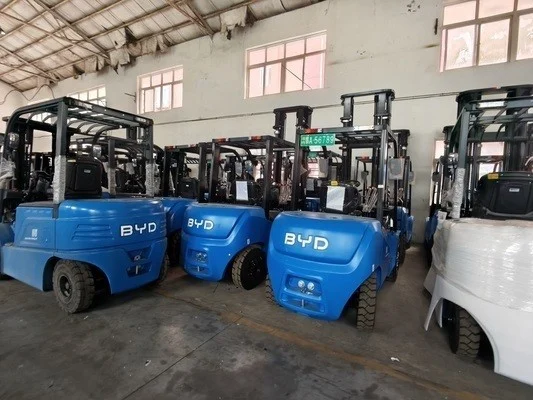
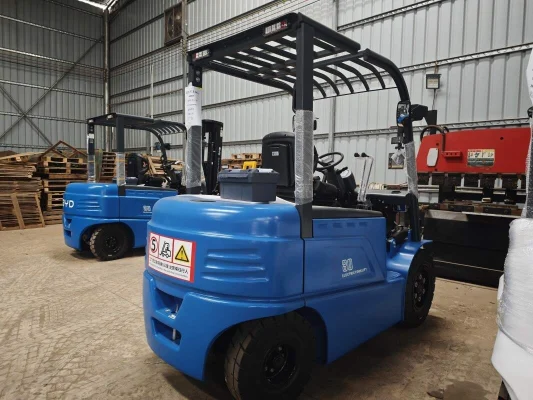
Reach forklift chassis feature shorter wheelbases, tighter turning radii, and lower overall profiles compared to counterbalance forklifts. Counterbalance forklifts use extended chassis to offset heavy load weight, which increases overall footprint. Stand-up rider narrow aisle forklifts integrate chassis with operator compartment positioned to maximize visibility and cut extra width. Scissor lift reach trucks move center of gravity closer to front axle, eliminating need for extra rear counterweight that adds overall length. Each adjustment changes how equipment moves within constrained aisle widths.
Mast Design Adaptations
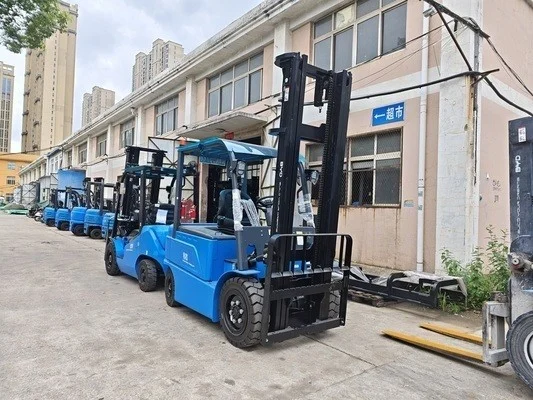
Mast design controls how loads lift and move within vertical space while keeping overall machine width minimal. Narrow aisle optimized masts use single or double stage construction with reduced side profile. Many narrow aisle masts integrate telescopic construction that extends vertically without widening the base. Counterbalance forklift masts typically use wider frames to support higher load capacities at extended forward reach, which adds width that conflicts with narrow aisle clearances. Articulated masts on some specialized forklifts allow side shifting of loads without moving entire machine, cutting unnecessary movement within aisles.
Performance Outcomes and Selection Guidance
Design differences translate directly to measurable operational differences within narrow aisle environments. Selection requires matching design strengths to specific warehouse constraints and operational needs.
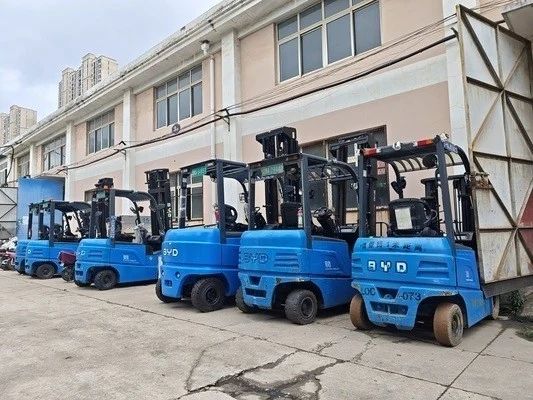
One key performance metric relates to minimum aisle width requirement. A standard counterbalance forklift with traditional chassis and mast requires 12 foot or wider aisles to turn and operate. A reach forklift with optimized narrow aisle chassis and mast can operate in aisles as narrow as 8 feet. Very narrow aisle (VNA) turret trucks, with specialized chassis and rotating masts, work in aisles under 6 feet wide. These differences directly change overall storage capacity a warehouse can support. More storage slots become available when narrower aisles work with compatible equipment.
Each design brings unique limitations. Shorter chassis on narrow aisle forklifts reduces maximum load capacity. Most compact narrow aisle chassis support loads under 5000 pounds, while larger counterbalance chassis support loads exceeding 10000 pounds. Narrow profile masts also have greater deflection under heavy load, so maximum safe lift height drops as load weight increases.
Selection guidance follows clear steps: First, measure actual minimum aisle width across all work areas. Next, confirm average and maximum load weight you need move regularly. Match chassis turning radius and mast profile to your aisle measurement, then confirm load capacity meets your needs. Prioritize visibility features when operators work with tall loads, because mast design can block sight lines in constrained spaces.
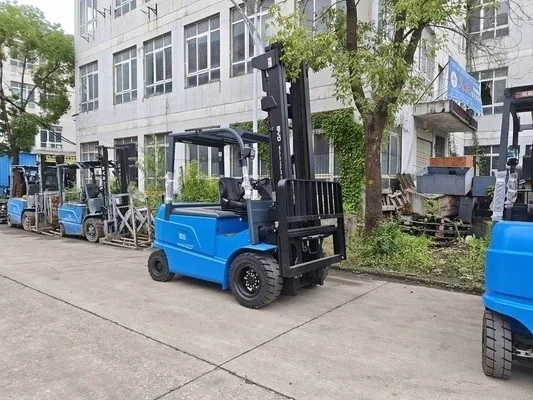
Hypothetical application example: A 50,000 square foot grocery distribution center wants to add 20% more storage slots by reconfiguring aisles from 11 feet wide to 8 feet wide. The center moves palletized loads averaging 2500 pounds. The best equipment option matches a stand-up reach forklift with compact chassis and narrow profile telescopic mast, which fits the 8 foot aisle and supports the required load capacity. A standard counterbalance forklift would not fit within the new aisle width, so it cannot work in the reconfigured space.
Frequently Asked Questions
Which forklift type delivers best results in extremely narrow aisles?
Very narrow aisle turret trucks with specialized rotating masts and compact chassis deliver best results in extremely narrow aisles. Their design eliminates need for full vehicle turns within the aisle, so they operate in clearances as low as 5 feet. They suit high density storage warehouses that prioritize maximum storage capacity.
Can standard forklift designs adapt to narrow aisle operations after purchase?
Minor modifications can cut a small amount of width from standard chassis, but most design changes require full redesign of core components. Mast width changes also require replacement of entire mast assembly, which costs nearly as much as purchasing new purpose-built narrow aisle equipment. Most operations find purpose-built narrow aisle forklifts deliver better long term value.
How does mast design affect operator safety in narrow aisles?
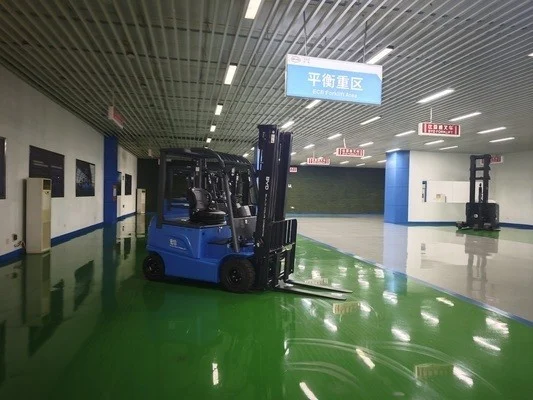
Narrow profile masts often include integrated sight lines through the mast center, which improves operator visibility when positioning loads. Poorly adapted wider masts block more of the operator’s forward view, increasing risk of collisions with racking or other equipment. Articulated or rotating masts also require additional operator training, because movement patterns differ from traditional fixed mast designs.
Chassis and mast design directly determine whether different forklift type can safely and efficiently operate within narrow aisle layouts. Matching design characteristics to your specific aisle width, load capacity, and lift height requirements ensures you maximize storage capacity while maintaining safe productive operations. Always verify equipment specifications against your actual warehouse measurements before making purchasing decisions.