Matching Different Forklifts Type To Your Facility’s Specific Material Handling Requirements
News 05/10/2026
Every facility has unique material handling workflows, space constraints, and load profiles. Choosing the right forklift directly impacts operational efficiency, worker safety, and long-term equipment costs. This guide breaks down common forklift types, key facility assessment steps, and clear selection guidance to help you match equipment to your specific needs.
Common Forklift Categories And Core Capabilities
Counterbalance Forklifts
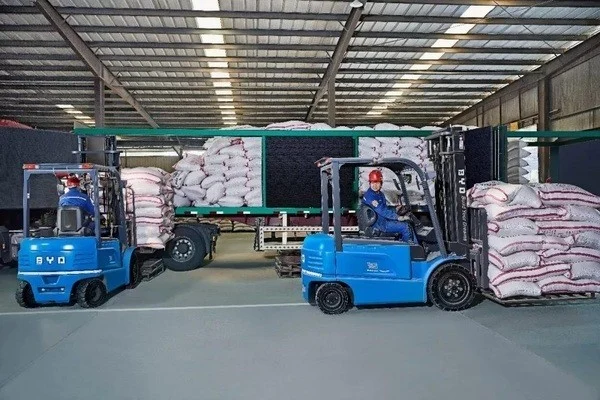
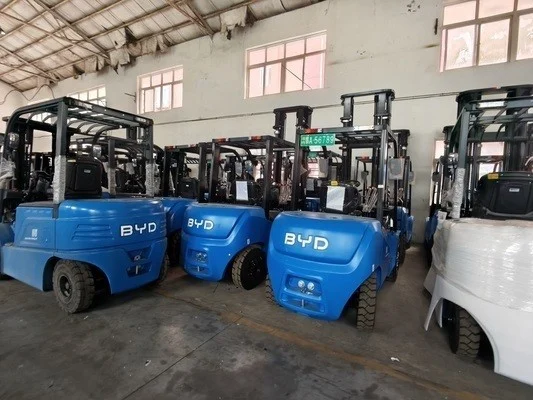
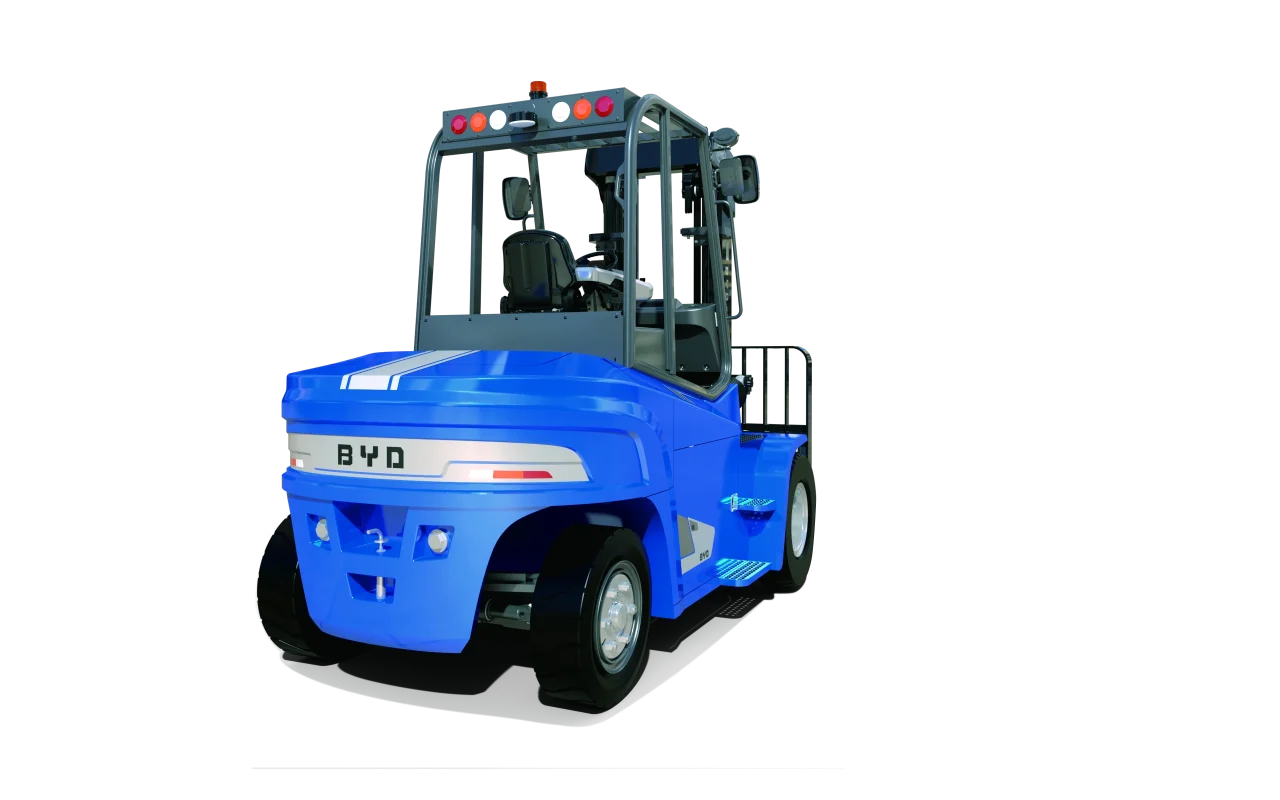
Counterbalance forklifts use a weighted rear section to offset heavy loads held at the front. They work well in open areas, and handle both indoor and outdoor operation when equipped with appropriate tires.
Core capabilities include maximum load ratings from 1 ton up to 10+ tons, making them ideal when loading and unloading trailers from shipping yards. They require wider turning radius than other types, so they do not fit well into narrow warehouse aisles. Solid tires work best on smooth indoor concrete, while pneumatic tires handle uneven outdoor surfaces.
Reach Forklifts
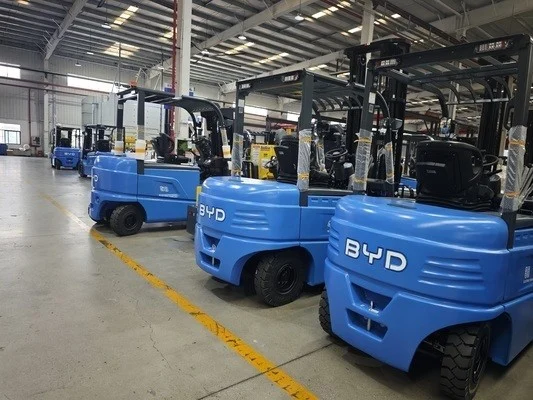
Reach forklifts feature extendable masts that let operators reach into high racking systems. They fit into much narrower aisles than counterbalance models, so they remain the preferred option when you operate high density storage warehouses.
Most reach forklifts run on electric power, and serve primarily indoor operations. Maximum lift heights reach up to 12 meters, and typical load ratings stay between 1 ton and 2.5 tons. They lack the stability for heavy outdoor operation, and require smooth flat floors to operate safely.
Pallet Jacks
Pallet jacks, also called pallet trucks, handle low-level horizontal transport of palletized goods. Both manual and electric models exist, and they require very little space to maneuver.
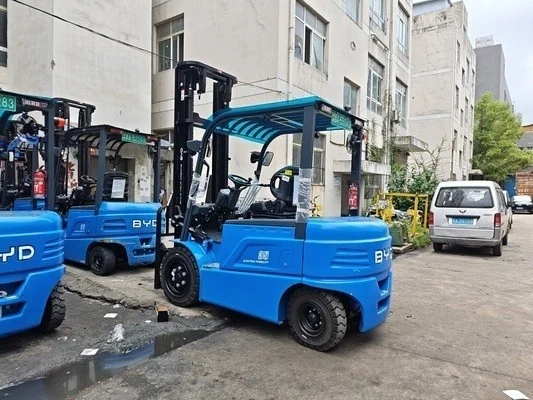
Manual models work well with low volume, short-distance moves with loads under 1.5 tons. Electric models handle higher volumes and loads up to 3 tons. Both types only lift loads a small distance off the ground, so they do not work with high racking storage. They excel at loading delivery vans, moving pallets around retail floors, and sorting materials in staging areas.
Order Pickers
Order pickers lift the operator alongside the load, allowing direct access to items stored at height. This design streamlines piece picking operations, where workers retrieve individual items from multiple storage locations.
Order pickers work exclusively indoors on smooth flat floors. Lift heights go up to around 8 meters, and load ratings stay under 1.5 tons. They increase picking efficiency compared to reach forklifts, because operators do not need to exit the cab to retrieve items.
Key Facility Factors That Guide Selection
Aisle Width
Aisle width is one of the most limiting factors when choosing a forklift. Counterbalance forklifts typically require aisles 3.5 meters or wider to turn. Reach forklifts operate safely in aisles between 2.1 meters and 2.8 meters, depending on model. Very narrow aisles, under 2 meters, require specialized three-way forklifts not covered in this guide.
Floor Condition And Load Capacity
Uneven or cracked outdoor ground needs pneumatic tires to absorb impacts. Smooth indoor concrete works with solid tires that do not damage floor surfaces. You also need confirm your facility floor supports the total weight of the loaded forklift, especially on upper levels of multi-story warehouses. Heavier counterbalance models may exceed load limits on raised mezzanines.
Lift Height Requirements
Measure your maximum racking height before you select a forklift. Each model has a rated maximum lift height, and matching that to your racking ensures you can access all storage locations. Order pickers work well for low to medium height picking, while reach forklifts handle the highest racking systems common in modern warehouses.
Indoor Versus Outdoor Operation
Internal combustion counterbalance forklifts handle continuous outdoor operation in all weather. Electric models work best for indoor use, though some sealed electric models can handle occasional outdoor use in dry conditions. Electric models produce zero emissions, making them safe inside spaces with poor ventilation.
Actionable Step-By-Step Selection Process
Follow these simple steps to narrow your options:
- Map your entire facility layout, and record exact aisle dimensions, maximum racking height, and common load paths.
- Document all common load characteristics, including average and maximum weight, size, and how often you move each load type.
- Eliminate forklift types that do not match your core constraints. For example, eliminate counterbalance forklifts if your aisles measure under 3 meters wide.
- Test any candidate forklift inside your facility before you commit to purchase or long-term rental. This lets you confirm maneuverability and fit in your actual working space.
Many facilities benefit from a mixed fleet of different forklift types. You can assign larger counterbalance models to shipping yard tasks, and use reach forklifts inside storage areas to maximize space utilization.
Frequently Asked Questions
Can a single forklift handle all tasks within my facility?
Most facilities have mixed operational needs that one forklift can not cover efficiently. A single multi-purpose forklift may work for very small facilities with under 1000 square meters of storage space, but larger operations almost always see better results with a mixed fleet.
What issues come from choosing the wrong forklift type?
Wrong sizing leads to several costly problems. Too large a forklift can not maneuver through aisles, leading to damaged racking, slower operation, and increased safety risks. Too small a forklift can not handle your maximum load weight, leading to premature equipment failure and safety hazards. Poor matching to operation environment (like electric forklifts used daily in wet outdoor areas) leads to higher maintenance costs and shorter equipment lifespan.
Do electric forklifts work outdoor?
Only electric forklifts with sealed electrical components and appropriate weather rating work for regular outdoor use. Standard indoor electric forklifts suffer electrical damage from moisture and temperature swings, so they should stay inside climate controlled facilities.
What separates reach and counterbalance forklifts?
Counterbalance forklifts use rear weight for stability, work well with heavier loads, and handle outdoor operation. Reach forklifts have extendable masts, fit into narrower aisles, and reach higher for racking access, but have lower maximum load ratings and require consistent indoor use.
Choosing the right forklift starts with accurate assessment of your facility unique constraints and material handling needs. Taking time to measure layout, document load characteristics, and test candidate equipment helps you avoid costly mistakes and build an efficient, safe operation.