Maintenance Requirements And Long Term Operational Implications Of Different Forklifts Type
News 08/10/2026
Equipment selection directly impacts long-term operational costs and uptime across any warehouse, construction site or distribution center. Different forklift type designs carry unique maintenance demands that influence total cost of ownership, downtime frequency and overall equipment lifespan. This guide breaks down established maintenance requirements and associated long-term operational implications to help stakeholders make informed purchasing and fleet management decisions.
Core Maintenance Needs By Forklift Category
Internal Combustion Engine (ICE) Forklifts
ICE forklifts rely on gasoline, diesel or propane power sources. Key routine maintenance includes regular oil and filter changes, spark plug replacement, fuel system cleaning and exhaust system inspection. Moving engine components experience wear much faster than electric alternative designs, so service intervals land every 100 to 200 operating hours.
Long term operational implications include higher ongoing maintenance spending, more frequent unplanned downtime and higher emissions compliance requirements in regulated regions. Engine corrosion and part degradation accelerate when equipment operates outdoors in wet or dusty environments. Proper storage can extend lifespan, but annual maintenance costs typically run 2 to 3 times higher than comparable electric models.
Electric Counterbalance Forklifts
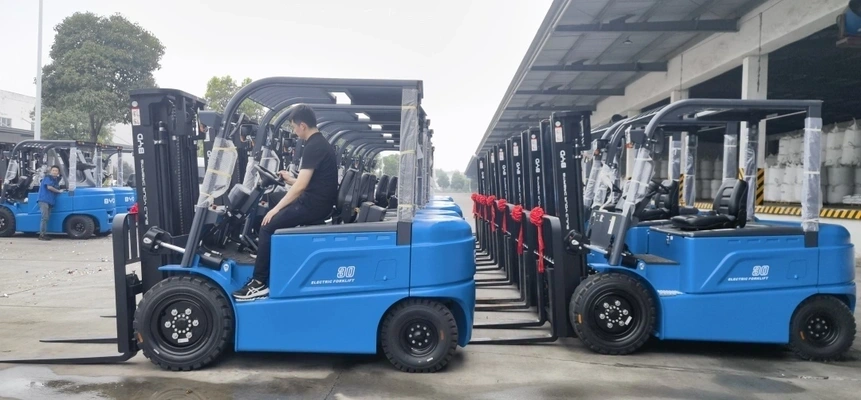
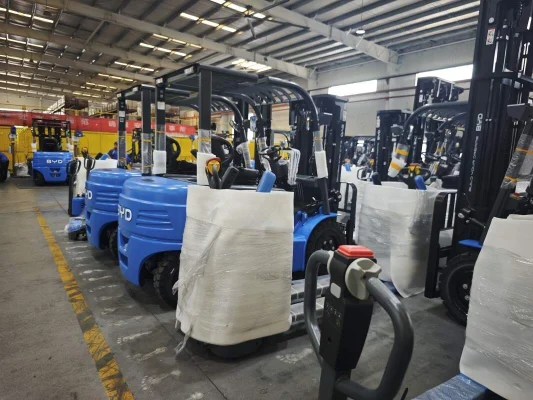
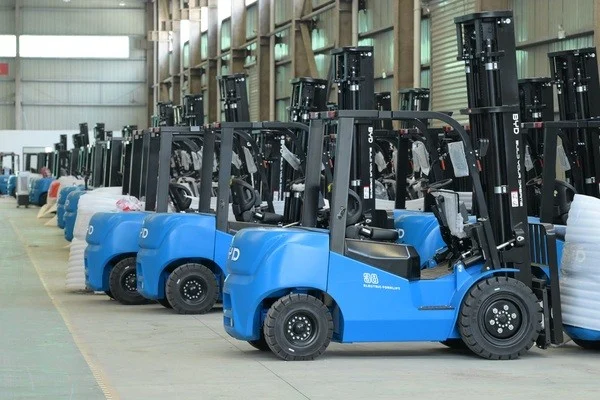
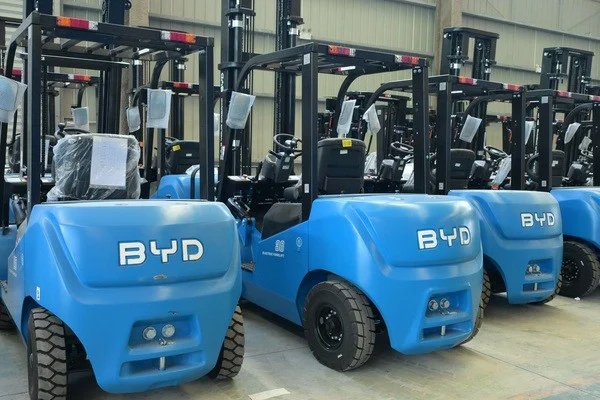
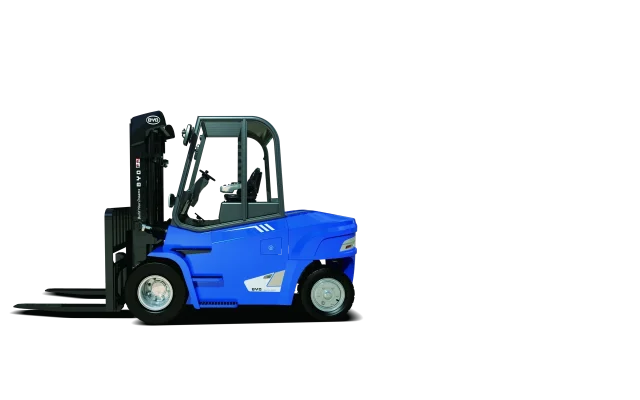
Electric forklifts eliminate most engine-related maintenance tasks. Core routine work focuses on battery care, brake inspection and hydraulic system checks. Battery maintenance includes regular terminal cleaning, electrolyte level checks on lead-acid units and proper charging cycle management. Lithium-ion battery models cut routine battery maintenance needs almost entirely.
Long term operational implications include lower ongoing service costs and longer overall lifespan with proper care. Battery replacement represents the single largest long-term expense, occurring every 5 to 10 years depending on charging habits. Uninterrupted indoor operation fits these units well, but extreme cold temperatures reduce battery capacity and shorten usable life.
Walk-Behind Pallet Jacks
Both manual and electric pallet jacks have simple designs with minimal moving parts. Routine maintenance includes wheel inspection, brake adjustment, hydraulic fluid top-offs and terminal cleaning on electric units. Service requirements are far less intensive than full-size counterbalance models.
Long term operational implications include low ownership costs and infrequent major repairs. Overloading remains the top cause of premature failure, so adherence to rated capacity directly extends equipment lifespan. Electric pallet jacks require battery replacement every 4 to 8 years, while manual units can operate reliably for over a decade with minimal service.
Rough Terrain Forklifts
These units serve outdoor operation on uneven, unpaved surfaces. Routine maintenance includes frequent tire inspection and rotation, chassis cleaning to remove debris, suspension checks and engine service on ICE models, the most common variant. Daily pre-operation inspection catches damage from rocky or uneven terrain before issues escalate.
Long term operational implications include higher structural wear than indoor-focused models. Exposure to rain, mud and temperature extremes accelerates corrosion and component degradation. Scheduled chassis cleaning and rust prevention treatments extend lifespan, but most rough terrain forklifts require major structural service within 7 to 10 years of regular use.
Key Long Term Operational Implications
Total Ownership Cost Variance
Upfront purchase price rarely reflects total long-term spending on forklift fleets. Electric models carry higher upfront cost, but lower ongoing maintenance costs deliver lower total spending over 10 years of use. ICE models have lower upfront cost, but higher fuel and maintenance spending quickly offsets initial savings.
Fleet size amplifies these differences. A 10-unit electric fleet can save tens of thousands of dollars in maintenance spending over a decade compared to an identical ICE fleet, depending on usage intensity.
Uptime And Operational Reliability
Unplanned downtime halts production, delivery and warehouse operations. Electric forklifts have fewer moving parts, so unplanned downtime events occur half as often as ICE models on average. Rough terrain forklifts experience more downtime due to harsh operating conditions, even with consistent scheduled maintenance.
Lifespan And Resale Value
Proper maintenance directly extends usable forklift lifespan. Electric models with consistent battery care often reach 10 to 12 years of usable life, while ICE models average 8 to 10 years with equivalent maintenance. Well-maintained electric forklifts hold higher resale value than comparable ICE units, due to lower remaining maintenance needs subsequent owners.
Practical Selection Guidance Based On Use Case
Selection must align with operational environment and usage intensity to minimize long-term maintenance burdens:
- Indoor warehouse use under 4 hours daily: Electric pallet jacks or small electric counterbalance units deliver lowest long-term maintenance needs.
- Heavy daily use in distribution centers: Lithium-ion electric forklifts cut downtime and maintenance compared to lead-acid or ICE models.
- Outdoor construction sites: Rough terrain ICE forklifts match environment needs, require consistent scheduled cleaning and inspection to limit premature degradation.
- Mixed indoor/outdoor operation: Propane ICE forklifts offer flexibility, but require budget allocation higher ongoing maintenance.
Always account for in-house maintenance team capacity. Small operations without dedicated maintenance staff benefit from electric or simple manual designs that require less frequent service.
Frequently Asked Questions
Which forklift type has lowest overall maintenance requirements?
Manual walk-behind pallet jacks have the lowest overall maintenance requirements, with only occasional wheel and hydraulic checks needed. Among powered models, lithium-ion electric forklifts carry the lowest routine maintenance demands, eliminating most engine and lead-acid battery care tasks.
How does operating environment impact maintenance frequency?
Dusty, wet or uneven environments accelerate component wear and increase required maintenance frequency. Equipment operating outdoors requires more frequent inspection and cleaning than equipment operating in climate-controlled indoor spaces. Corrosion and debris buildup are two top causes of premature component failure in harsh environments.
What is the largest long-term maintenance expense related to electric forklifts?
Battery replacement represents the largest single long-term maintenance expense connected to electric forklifts. Lead-acid batteries typically need replacement every 5 to 7 years, while lithium-ion batteries often last 8 to 10 years before replacement becomes necessary.
Can proper maintenance extend forklift lifespan?
Yes, consistent adherence to scheduled maintenance can extend usable forklift lifespan by 2 to 3 years beyond average estimates. Pre-operation inspections catch small issues before they escalate into major failures, and routine cleaning prevents corrosion and debris-related damage.
Understanding maintenance requirements and long-term operational implications of different forklift type helps organizations avoid unexpected costs and downtime. Align equipment selection with your operating environment, usage intensity and in-house maintenance capacity to maximize value across the full service life of your fleet.