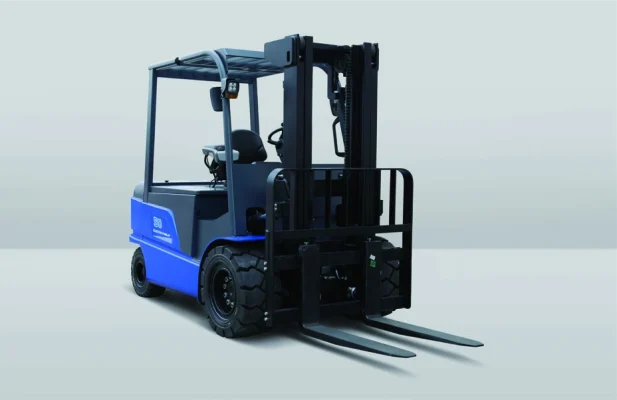
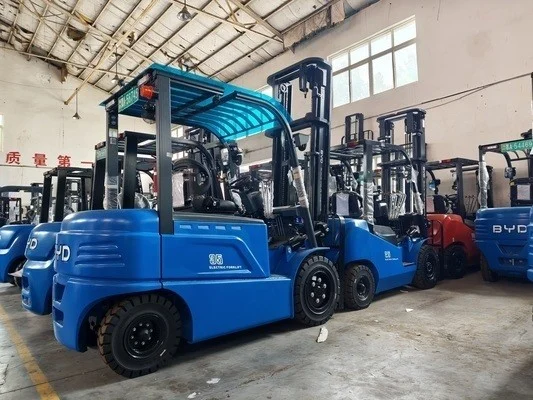
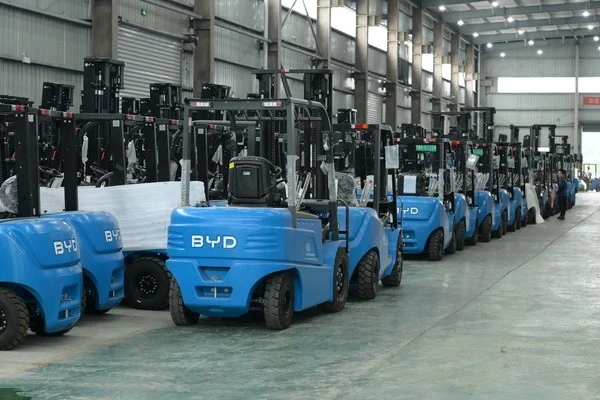
LiFePO4 Forklift Specification Review: Matching Battery Voltage, Charger Output, and Hydraulic Demand to Four-Wheel Counterbalance Electric Forklift Work Cycles
News 22/10/2026
LiFePO4 batteries power most modern four-wheel counterbalance electric forklifts, and matching core battery, charger and hydraulic system specs directly impacts consistent operation across full work shifts. Mismatched components lead to premature shutdowns, reduced performance and accelerated battery degradation, so understanding how these three specs align with your work cycles helps you avoid costly mistakes.
Core Specification Connections Between LiFePO4 Batteries and Four-Wheel Counterbalance Electric Forklifts
LiFePO4 chemistry delivers stable discharge and long cycle life compared to many other battery options available today. Every four-wheel counterbalance electric forklift relies on coordinated performance across three key components: the LiFePO4 battery pack, the battery charger, and the hydraulic lifting system. Each component’s specs interact with one another, so one mismatched part undermines the entire system’s performance.
When evaluating any new LiFePO4-powered four-wheel counterbalance electric forklift, you need to check how well three core specs work together:
- Battery voltage matches the forklift motor and controller rating
- Charger output fits your daily work shift structure
- Total battery capacity covers consistent hydraulic power demand
These three checks ensure your forklift delivers reliable performance every day.
How Battery Voltage Aligns With Lift Capacity and Work Demand
Common Voltage Ranges For?不对,哦改了,
Common Voltage Ranges
Most entry-level light-duty four-wheel counterbalance electric forklifts use 48V LiFePO4 packs. Mid-range units handling 3 to 5 ton loads typically run 80V systems. High-capacity units lifting over 5 tons often use 120V or higher configurations.
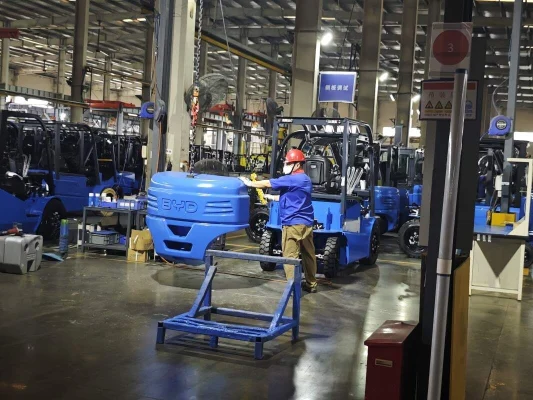
Higher voltage supports consistent power delivery during continuous lifting cycles. Lower voltage works well with shorter, intermittent work routines. Your operation team must document maximum daily load weight and average number of lift cycles to select the correct voltage. Always match battery voltage to the forklift’s factory-rated system requirements; incompatible voltage damages motor controllers and battery management systems beyond repair.
Matching Charger Output to Daily Work Cycles
Charger output, measured in kilowatts (kW), determines how quickly your LiFePO4 battery regains full charge between shifts. Operations running multiple continuous shifts need high-output on-board or off-board chargers that fully top up battery capacity within 1 to 2 hours. Single-shift operations can use lower-output chargers that complete charging during overnight idle periods.
Opportunity charging during break periods works well with LiFePO4 chemistry, but charger output must align with the battery’s maximum accepted charging rate to avoid overheating. Operations running through full 8-hour or 12-hour shifts must confirm charger output supports any planned mid-shift top-ups. LiFePO4 chemistry tolerates frequent partial charging better than older battery chemistries, but output matching remains critical to preserve long-term battery health.
Balancing Hydraulic System Demand With Battery Capacity
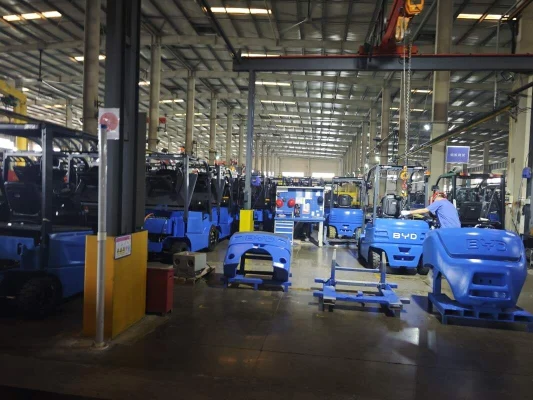
Four-wheel counterbalance electric forklifts use hydraulic systems to lift loads, tilt masts, and extend forks. Hydraulic power draw represents one of the largest loads on the LiFePO4 battery during operation. Frequent heavy lifting increases total power draw significantly, so your battery must have enough amp-hour (Ah) capacity to cover hydraulic demand alongside travel and steering loads.
Higher frequency lifting requires higher Ah capacity to maintain steady voltage throughout the full work shift. If your operation includes constant lifting of maximum rated loads, you need a higher Ah battery than you would need for infrequent lifting. Always account for hydraulic power demand when calculating required total battery capacity, because ignoring this factor leads to unexpected shutdowns before the end of your work shift.
Frequently Asked Questions
Can I use a generic charger with my LiFePO4 four-wheel counterbalance electric forklift?
Generic chargers often do not match the LiFePO4 battery’s required charging profile and output. Mismatched output can damage the battery’s internal cells or reduce its total usable life. Always use a charger approved by the forklift manufacturer to match your specific battery voltage and capacity.
Does higher battery voltage always deliver better performance?
Higher voltage supports higher load capacities and more continuous lifting, but it also increases total unit cost. Your operation only needs enough voltage to match your maximum load requirements. Unnecessarily high voltage adds extra upfront cost without meaningful performance gains.
How do I calculate required battery capacity for my operation?
Start by documenting three key factors: average number of lift cycles per shift, average load weight per lift, and total shift length. Share these details with your supplier, who can help you match correct Ah capacity to your hydraulic power and travel demand. This process ensures you get a battery that meets your needs without adding unnecessary cost.
If you plan to acquire a new LiFePO4-powered four-wheel counterbalance electric forklift, share your specific work cycle, load, and facility details with our team to get help matching correct specs.