LiFePO4 Forklift Performance: A Comparison Against Lead-Acid Powered Models
News 05/10/2026
Material handling operations depend heavily on consistent forklift performance. Battery type directly impacts daily productivity, long-term costs and operational flexibility. This comparison breaks down key performance differences between LiFePO4 and lead-acid powered forklifts to help decision makers evaluate options matching their operational needs.
Core Performance Metrics Comparison
We compare the most impactful performance areas that affect daily operations across most material handling facilities.
Charging Speed & Operational Uptime
LiFePO4 batteries fully recharge in one to three hours, compared with eight to 12 hours required by most lead-acid batteries. LiFePO4 chemistry also supports opportunity charging during break periods, with no damage to cell health. This means operations can run multiple shifts without battery swaps, eliminating extra labor required to change out drained lead-acid units mid-shift.
Lead-acid batteries require a cool down period after charging before use. They also lose usable capacity quickly when discharged below 50% on a regular basis, forcing operators to plan shifts around battery availability. Multi-shift operations typically need two or three extra lead-acid batteries per forklift to maintain uptime.
Energy Density & Lift Performance
LiFePO4 batteries deliver higher energy density within the same footprint as lead-acid alternatives. This translates to consistent power output through the full discharge cycle, so lift speed and hauling capacity remain steady even when battery charge drops below 20%. Lead-acid batteries experience power fading as charge depletes, slowing lift operations and reducing effective hauling capacity toward the end of a work shift.
LiFePO4 batteries also weigh less than lead-acid units with equal energy capacity. This can reduce overall forklift weight, improving maneuverability in tight warehouse spaces, though it may require additional counterweight required by maximum lift capacity applications.
Cycle Life & Long-Term Performance Retention
LiFePO4 batteries typically deliver 2000 to 5000 full charge cycles before capacity drops below 80% of original rating. Lead-acid batteries average 500 to 1000 full cycles under similar operating conditions. This means LiFePO4 units last two to five times longer than lead-acid alternatives with proper use.
Lead-acid batteries lose capacity gradually even when not in use, through self-discharge and sulfation. LiFePO4 batteries have much lower self-discharge rates, so they retain capacity during extended storage periods better than lead-acid units.
Cost Related Performance Differences
Upfront investment associated with LiFePO4 forklifts runs higher than equivalent lead-acid models. However, lower maintenance needs, longer lifespan and reduced energy consumption offset this initial cost over time. Lead-acid batteries require regular watering of cells, equalization charging and cleaning to prevent corrosion, adding ongoing labor costs to operational budgets. LiFePO4 batteries require no regular maintenance beyond keeping connections clean.
Ideal Application Scenarios
Applications LiFePO4 Forklifts Serve Best
LiFePO4 forklifts work best in multi-shift warehouse operations, high-throughput distribution centers and facilities lacking extra space dedicated to battery storage and charging infrastructure. Their opportunity charging capability eliminates space requirements dedicated to battery changing rooms, freeing valuable floor space previously dedicated to storage or operations. They also perform well in cold storage environments, as LiFePO4 chemistry maintains better capacity at low temperatures compared with lead-acid.
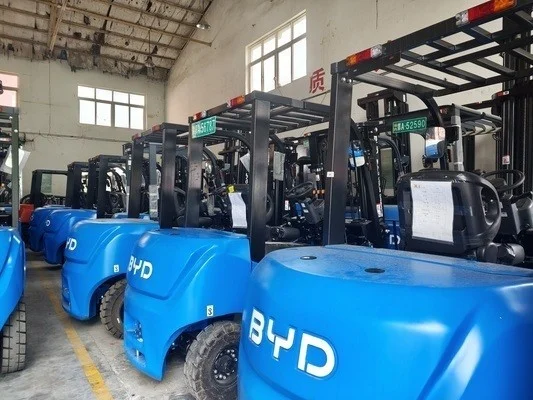
Assumed example: A 24/7 e-commerce fulfillment center running three daily shifts benefits directly from LiFePO4 uptime, as no time gets lost swapping batteries or waiting on charging cycles to complete.
Applications Lead-Acid Forklifts Remain Strong Options
Lead-acid forklifts remain solid choices serving single-shift operations with low daily usage, small facilities facing budget barriers, and operations that only use forklifts occasionally. Their lower upfront cost makes them easier to justify when teams do not need the extra uptime LiFePO4 delivers. Lead-acid technology also has well established recycling networks across most regions, which simplifies end-of-life disposal across most operations.
Known Limitations Each Option Faces
LiFePO4 forklifts carry higher upfront purchase costs, which can create budget barriers small businesses face. They also require properly rated charging equipment to ensure safety and long cell life, though many manufacturers offer compatible charging units with new LiFePO4 forklift purchases. Some older forklift frames may require adjustments to fit LiFePO4 batteries due to differences in size and weight distribution.
Lead-acid batteries require more space dedicated to charging and extra battery storage, which can create challenges smaller facilities face. They also produce hydrogen gas during charging, requiring ventilation to meet safety standards in indoor spaces. Regular maintenance needs add unplanned labor hours that pull team members away from core operational tasks.
Frequently Asked Questions
Are LiFePO4 forklifts safe used in indoor warehouse spaces?
Yes, modern LiFePO4 batteries include built-in battery management systems that regulate temperature, voltage and current to prevent safety hazards. Unlike lead-acid batteries, they do not produce harmful gas during charging, so they require no special ventilation dedicated to indoor use.
Do LiFePO4 batteries work with existing forklift charging equipment?
Compatibility depends on the voltage rating and output of your existing charger. Most LiFePO4 batteries require chargers specifically calibrated to match LiFePO4 chemistry, so older lead-acid chargers rarely work without modification. Always check manufacturer specifications before attempting to charge a LiFePO4 battery with an existing charger.
Can I retrofit my existing lead-acid forklift to use a LiFePO4 battery?
Retrofitting works on many forklift models, but it requires confirmation of fit, electrical compatibility and proper counterweight adjustments. Always work with a qualified equipment technician or manufacturer representative to complete a retrofit to ensure safety and proper performance. Some manufacturers void existing equipment warranties after unapproved modifications, so review warranty terms before starting work.
Conclusion & Selection Guidance
LiFePO4 forklifts outperform lead-acid models across most key performance metrics, including uptime, consistent power output, lifespan and lower maintenance needs. However, the higher upfront cost means they do not fit every operation’s needs. Teams evaluating options should assess their daily shift count, available upfront budget, floor space and long-term operational goals to match battery type to their specific needs. Small single-shift operations can meet their needs well with lower cost lead-acid forklifts, while high-throughput multi-shift operations will see faster return on investment from LiFePO4 models.