Choosing a Lithium Ion Forklift Mast and Overhead Guard: Clearance and Lift Height Checks Industrial Buyers Should Confirm
News 04/11/2026
A lithium ion forklift only performs safely when its mast, overhead guard and the building around it agree on dimensions. Before you request a quotation, confirm three things: the lift height your racking actually needs, the collapsed height the mast requires to pass under doors and rack beams, and the free lift that lets the carriage rise before the mast extends. Buyers who skip these checks often discover a clearance problem after delivery, when the machine can no longer enter a trailer or reach the top beam.
This guide covers the mast and overhead guard checks that belong in a procurement enquiry. It focuses on four-wheel counterbalance electric forklifts, the type this site supplies in BYD lithium battery configurations. The numbers below are checkpoints to confirm, not specifications; always use the manufacturer’s data sheet and a site survey before ordering.
Why Mast and Overhead Guard Dimensions Drive the Purchase Decision
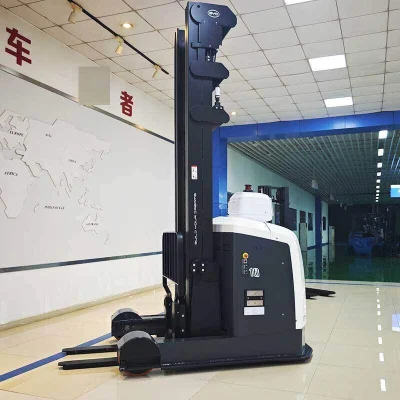
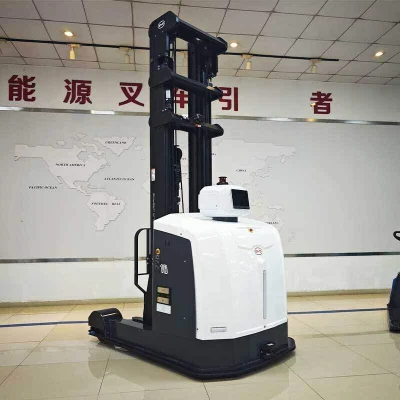
The mast sets the vertical envelope. It determines how high the forks reach, how low the collapsed assembly sits, and how much of the lift happens before the mast stages extend. The overhead guard sets the operator envelope and the machine’s overall height. Together they decide whether a truck fits a doorway, a container, a rack aisle or a mezzanine ramp.
Two trucks with the same rated capacity can have very different envelopes. A duplex mast, a triplex mast and a full free-lift triplex mast each trade collapsed height against free lift and visibility. That is why a capacity figure alone is not enough to compare offers.
Lift Height Checks to Confirm Before You Enquire
Work from the racking, not from the truck brochure. Measure the height of the highest beam you must serve and add the clearance needed to place and withdraw a pallet safely. The result is the required lift height, and it should be compared with the mast’s rated lift height at the actual load centre.
Rated lift height and load centre
Capacity ratings are tied to a load centre, commonly stated in the manufacturer’s data. A load whose centre of gravity sits farther from the fork face reduces the capacity available at height. Ask the supplier to confirm the residual capacity at your maximum lift height and load centre, and state the pallet depth and load weight in your enquiry.
Free lift and low-clearance areas
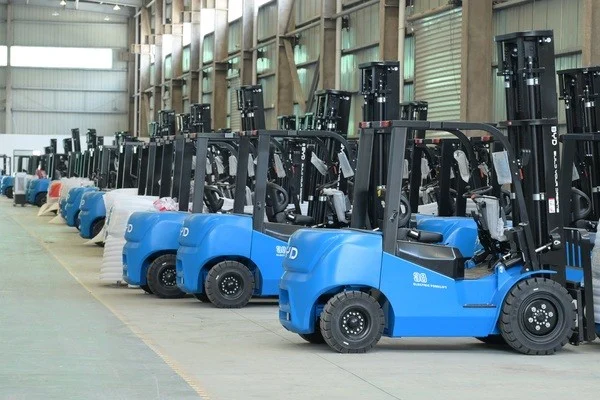
Free lift is the carriage travel before the mast sections begin to rise. It matters inside containers, trailers, low mezzanines and buildings with shallow door openings. If the truck must lift a pallet inside a trailer, confirm the free lift available and the collapsed height of the mast with the carriage at rest.
Collapsed height and doorway passage
Measure every opening the truck will pass through: dock doors, fire doors, lift gates and rack end frames. Compare these measurements with the mast’s collapsed height and the overhead guard height, then keep a working margin. Door thresholds, floor slopes and worn surfaces can reduce the real opening.
Overhead Guard Checks: Operator Envelope and Site Obstructions
The overhead guard protects the operator and also defines the machine’s highest point. Confirm its height against ceiling beams, sprinkler heads, pipework, lighting, roll-up door tracks and mezzanine edges along every route the truck will travel.
Check the guard’s openings and its fit with the mast and carriage. The guard should not interfere with the mast when it is fully extended, and the operator’s view of the fork tips should remain usable. If your site uses an overhead guard extension or a load backrest, confirm these as part of the configuration rather than assuming they are included.
Clearance, Floor and Charging Conditions That Affect the Configuration
Vertical dimensions are only part of the check. Horizontal and ground conditions decide whether the truck can work in the aisle and whether the battery configuration suits the shift pattern.
- Aisle width: confirm the right-angle stacking aisle and the intersecting aisle against the truck’s dimensions, including any rear counterweight overhang.
- Floor and slope: note floor type, joint condition and ramp gradients. Ask the supplier to confirm suitability rather than assuming a standard truck will cope.
- Attachments: side shifters, fork positioners and clamps change the load centre and the effective envelope. State them in the enquiry.
- Charging: confirm the available charging position, power supply and shift pattern so the lithium battery and charger configuration matches actual use.
Information to Send and Points to Verify on Delivery
A clear enquiry shortens the quotation cycle. Provide the following, and ask the supplier to state which figures come from the manufacturer’s data sheet and which still require a site survey.
| Item | What to provide or confirm |
|---|---|
| Lift height | Highest beam served, pallet height, required clearance above the beam |
| Load | Maximum weight, pallet depth, load centre, attachments used |
| Mast | Required free lift, collapsed height, rated capacity at your load centre |
| Overhead guard | Overall height, route obstructions, guard and backrest configuration |
| Site | Aisle widths, door openings, floor type, ramps, charging position and shift pattern |
On delivery, verify the mast type, rated capacity plate, lift height and load centre against the order. Measure the collapsed height and overhead guard height on the truck itself, and check the free lift travel. Confirm the battery, charger and any attachments match the agreed configuration. A short measurement session at handover is easier than correcting a clearance issue after the truck enters service.
If you are comparing options, send your lift height, load details and site measurements to our team and we will help match a BYD four-wheel counterbalance electric forklift configuration to your working conditions.
Frequently Asked Questions
Does a higher lift height always mean a larger mast?
Not necessarily. Mast stages, free lift and collapsed height vary between designs. A triplex mast may reach a similar height with a lower collapsed profile than a duplex mast, but the trade-offs in free lift, visibility and capacity at height differ. Confirm the specific mast data sheet.
Can I use the rated capacity at any lift height?
No. Capacity depends on the load centre and, on many trucks, on the lift height. Ask the supplier to confirm residual capacity at your maximum height and actual load centre, especially when using attachments.
What should I measure before requesting a quotation?
Measure the highest beam you serve, every door and opening the truck will pass through, aisle widths, floor slopes and the charging position. Add pallet weight, pallet depth and any attachments so the supplier can propose a suitable mast and overhead guard configuration.
Is the overhead guard height fixed?
It depends on the model and configuration. Confirm the overall height against ceiling beams, sprinklers, pipework and door tracks along all routes. If the route includes low openings, raise this early in the enquiry rather than treating it as a delivery detail.