Critical Factors Impacting Lithium Ion Forklift Reliability in Subzero Industrial Environments
News 16/10/2026
Many operations rely on lithium ion forklifts in cold storage and northern climate facilities, but reliability drops sharply when temperatures fall below freezing. Multiple interconnected factors affect performance, ranging from core battery chemistry to mechanical components and facility setup. Understanding these factors helps facility managers avoid unplanned downtime and extend equipment service life.
Core Chemical and Battery Related Factors
Lithium ion battery performance depends on consistent movement of lithium ions between anode and cathode. Lower temperatures slow ion movement, increase internal battery resistance and reduce available power output. This leads to shorter run times and sudden power cuts that stop operation mid-shift.
Battery Management System Calibration
The on-board battery management system (BMS) monitors cell temperature, state of charge and overall health. Most BMS units include calibration matching average ambient temperatures between 10°C and 30°C. When temperatures drop far below this range, uncalibrated BMS units incorrectly calculate available capacity, triggering unnecessary low-power shutdowns even when cells hold sufficient charge. Different cathode materials also have different low-temperature performance characteristics; some chemistries maintain better ion mobility at subzero temperatures than others.
Mechanical and Operational Factors
Reliability issues in subzero environments are not limited to the battery. Non-battery components also face increased stress that reduces overall equipment reliability. Common mechanical issues stem from these changes:
- Hydraulic fluid viscosity increases dramatically at low temperatures, which raises friction on pump and valve components and slows lifting and tilting response
- Tire rubber compounds harden when temperatures drop, reducing traction on smooth warehouse floors and increasing wear rate over time
- Seals and gaskets lose flexibility in cold conditions, increasing risk of fluid leaks that can cause unplanned repairs
Operational habits also impact reliability. Frequent fast acceleration and heavy lifting with a cold battery puts extra stress on cells and speeds up degradation. Operators who do not adjust their workflow to match lower power output increase risk of unexpected downtime.
Proactive Adjustments That Boost Reliability
Facility managers can take several practical steps to improve lithium ion forklift reliability in subzero environments, ranging from low-cost changes to larger equipment upgrades:
Store parked forklifts in insulated or heated overnight storage whenever possible. This keeps battery and fluid temperatures above critical thresholds before shifts start. Many modern lithium ion forklifts include built-in battery preheating systems that activate before operation, bringing cells up to a functional temperature before full power use.
Replace standard hydraulic fluids and lubricants with products engineered specifically subzero conditions. This reduces viscosity-related friction and cuts down on component wear. Train operators to recognize early signs of cold-related performance loss, and adjust operation patterns to avoid heavy high-power draws until equipment warms up.
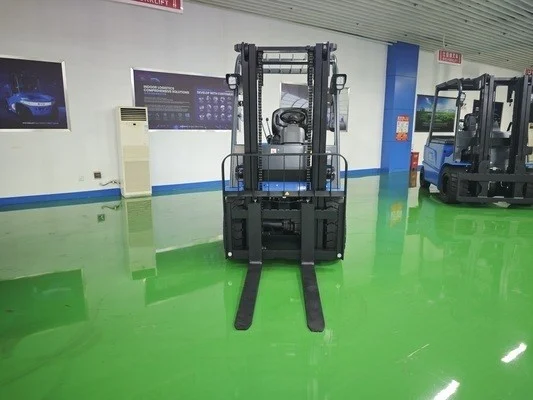
Always check manufacturer specifications before deploying a standard lithium ion forklift into sustained subzero conditions. Some units are not designed to handle continuous exposure to temperatures below -10°C, so alternative equipment or environmental adjustments become necessary.
Frequently Asked Questions
Can all lithium ion forklifts work reliably in subzero conditions?
No. Most standard lithium ion forklift models carry calibration suited mild to moderate ambient temperatures. Units built specifically cold climate operation include specialized battery chemistry and properly calibrated BMS systems that handle low temperatures far better. Always check manufacturer specifications before deployment.
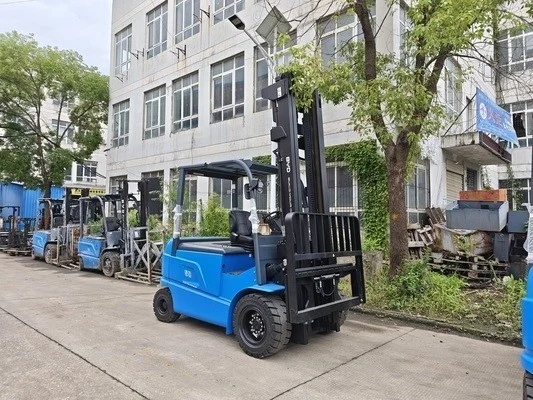
Does cold temperature permanently damage lithium ion forklift batteries?
Temporary performance drops occur any time temperatures drop below freezing. Extended continuous operation in extremely low temperatures can increase long term degradation rate, but permanent damage only occurs under extreme unregulated conditions. Proper pre-operation heating and storage reduces this risk significantly.
What simple changes improve subzero forklift reliability quickly?
Moving parked forklifts into heated overnight storage, switching to low-temperature hydraulic fluid, and adding short pre-operation battery warm up cycles deliver the most immediate reliability gains without major capital investment. These changes address the most common causes of unplanned downtime in cold environments.