How Lithium Ion Forklift Design Supports Narrow Aisle Warehouse Operations
News 11/10/2026
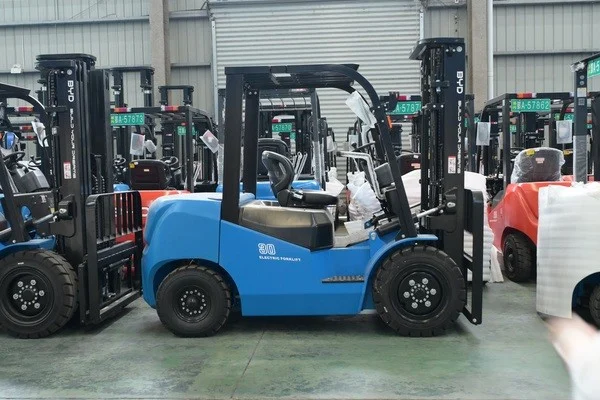
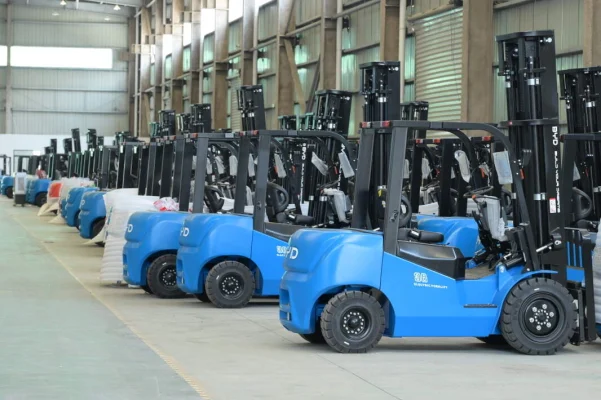
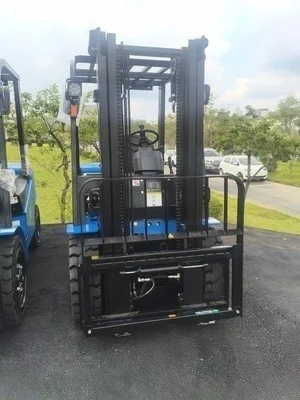
Narrow aisle warehouse designs help facilities increase total storage capacity without expanding building footprints. These operations rely on tight clearances between racking rows, which demands material handling equipment built to navigate and perform in constrained spaces. Lithium ion forklift design includes multiple features that align perfectly with these needs, from compact dimensions to flexible power management that supports uninterrupted workflow.
Core Design Features That Enable Narrow Aisle Operation
Designers shape lithium ion forklift construction to meet narrow aisle space constraints, with three key functional adjustments that set these units apart from older lead acid powered models.
Compact Chassis and Reduced Turn Radius
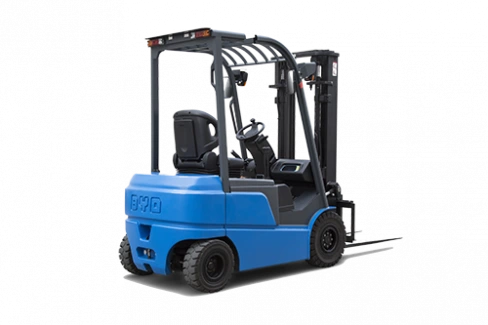
Lead acid batteries require large, heavy enclosure boxes that take up significant space inside a forklift chassis. Lithium ion battery packs deliver equivalent power in 30 to 50 percent smaller overall volume. This smaller footprint lets designers shrink the total width of the forklift chassis and reduce the minimum turn radius needed to maneuver between racking rows. One common result: many lithium ion narrow aisle forklifts can navigate aisles 1 to 2 feet narrower than comparable lead acid units, opening opportunities to adjust racking spacing and add extra storage rows.
Low Center of Gravity
Lithium ion battery packs mount low on the forklift chassis, often directly under the operator platform or along the base of the unit. This placement lowers the overall center of gravity, which improves stability when turning or lifting loads in tight spaces. Reduced body roll and lower tip-over risk make operation safer, even when operators work close to racking uprights with no extra clearance to spare.
Integrated Opportunity Charging
Lithium ion chemistry supports partial charging without damaging battery life. This capability lets operators charge units during short breaks, rather than swapping batteries between shifts. Swapping lead acid batteries requires dedicated battery storage and changing rooms inside the warehouse, which take up valuable floor space that could otherwise serve as storage or work zones. On-board lithium ion charging eliminates this extra space need, and removes the manual labor associated with battery swapping.
Operational Benefits Narrow Aisle Facilities Gain
Beyond design adaptations that fit tight spaces, lithium ion forklifts deliver consistent performance that matches the workflow demands high density warehouses create.
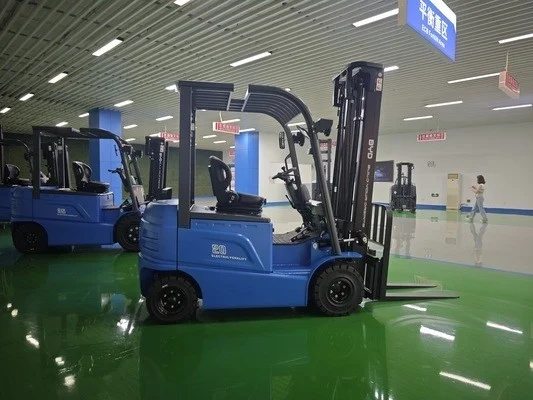
Uninterrupted operation is one key benefit. Lithium ion batteries hold voltage steady through almost the full discharge cycle, unlike lead acid units that lose power output as battery level drops. Consistent power lets lift and travel speeds stay steady, even toward the end of a shift, so operators maintain consistent throughput in narrow aisles without slowdowns.
Regenerative braking, a standard feature on most modern lithium ion forklifts, also adds value in tight spaces. When the operator slows down or travels downhill, the system recaptures kinetic energy to recharge the battery slightly. This system also provides smoother, more responsive braking than traditional friction braking, which helps operators avoid collisions with racking or other equipment when working in constrained areas with limited stopping room.
Many facilities also see longer run times between charges, which reduces the need to move units away from work zones mid-shift. This cuts down on unnecessary travel time across the warehouse, and keeps work flows moving along narrow aisles without interruptions.
Selection Considerations and Common Limitations
Lithium ion forklift design works well with most narrow aisle layouts, but buyers must account for key tradeoffs and limitations before making a purchase.
Aisle Width and Load Capacity Tradeoffs
Very narrow aisle (VNA) layouts, with aisles under 8 feet wide, require specialized reach or turret trucks, not standard stand-up or counterbalanced lithium ion forklifts. When selecting a unit, you must match the forklift’s rated minimum aisle width to your existing layout. Shrinking chassis size to fit narrower aisles can also reduce maximum load capacity, so verify weight ratings match your heaviest common loads before finalizing selection.
Upfront Cost and Infrastructure Needs
Lithium ion forklifts carry higher upfront purchase prices than equivalent lead acid units. While long term operational savings often offset this initial cost, smaller operations may need to plan this capital outlay. You also need to place charging stations in locations that keep travel time low, so operators can access charging during breaks without traveling long distances across the facility.
Environmental Constraints
Extreme temperature environments, such as frozen cold storage warehouses, require special temperature-regulated lithium ion battery enclosures to maintain performance and battery life. Standard lithium ion packs lose capacity quickly in temperatures below freezing, so you must specify units built to match your facility’s operating environment.
Frequently Asked Questions
Can I use a standard counterbalanced lithium ion forklift in my narrow aisle warehouse?
Standard counterbalanced lithium ion forklifts work well in aisles 10 feet wide or wider. If your aisles measure between 7 and 10 feet, you need a specialized reach truck lithium ion model. Aisles narrower than 7 feet require VNA-specific turret or reach trucks built to operate in those extreme clearances.
Does lithium ion power improve safety in narrow aisle operations?
Lower center of gravity from under-chassis battery placement reduces tip-over risk, which is a major safety benefit in tight turning spaces. Responsive regenerative braking also helps operators avoid collisions with racking and other obstacles when stopping room is limited. Many lithium ion units also produce less noise and zero exhaust emissions, which improves overall work environment quality inside enclosed warehouses.
Do I need to modify my warehouse to use lithium ion narrow aisle forklifts?
The only required modification is installation of appropriate charging stations, placed near the work zones where the forklifts operate most often. Unlike lead acid units, lithium ion forklifts do not need separate ventilation or battery changing rooms, so major facility modifications are rarely necessary.
What is the expected service life of a lithium ion narrow aisle forklift battery?
Most manufacturers rate lithium ion forklift batteries between 2,000 and 5,000 full charge cycles, which translates to 5 to 10 years of typical use in warehouse operations. Actual service life depends on operating temperature, charging habits, and maintenance practices.
Narrow aisle warehouses rely on every square foot of space, and every minute of workflow time. Lithium ion forklift design aligns with these priorities, delivering compact dimensions, improved stability, and flexible charging that maximizes storage density and operational efficiency. By matching the forklift type to your aisle width, load capacity, and facility environment, you can build a material handling system that supports your high density storage goals long term.