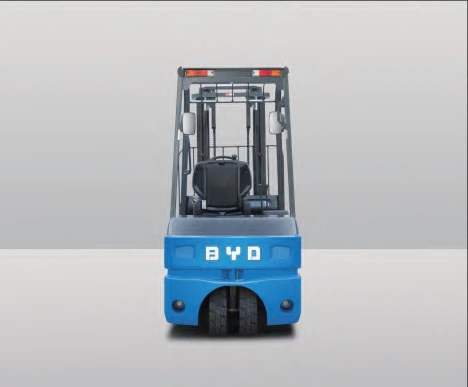
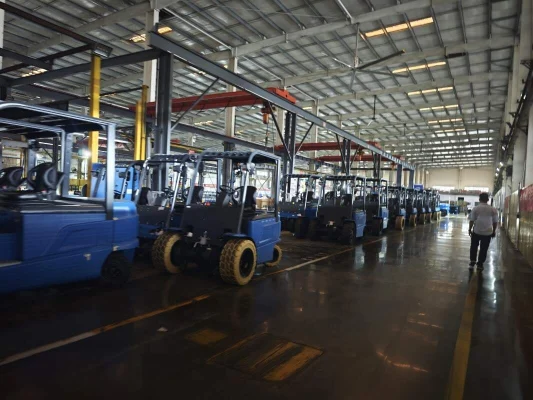
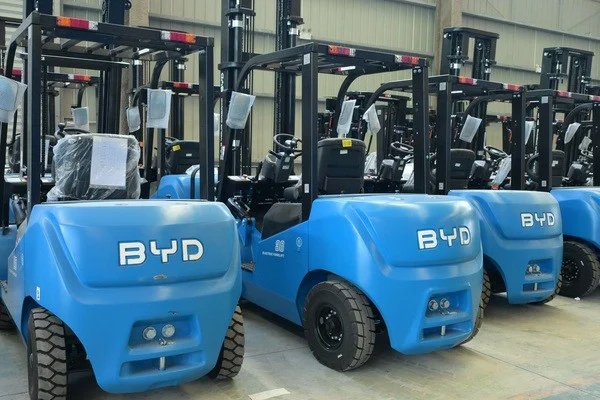
Comparing Lithium-Ion and Lead-Acid Battery Options Across Four-Wheel Counterbalance Electric Forklift Configurations
News 05/11/2026
Battery choice shapes how a four-wheel counterbalance electric forklift is specified, charged, and scheduled. The short answer: lithium-ion packs generally suit opportunity charging and multi-shift patterns where the truck can return to a charger during breaks, while lead-acid remains a familiar, lower-upfront-cost option when a dedicated battery room, spare batteries, and longer charging windows are practical. Neither chemistry is universally better; the right choice depends on duty cycle, charging infrastructure, and how the truck is used throughout the day. This comparison covers the same decision dimensions so you can match a battery option to a real 2 ton electric forklift configuration rather than to a general preference.
Where the Two Battery Chemistries Diverge in Daily Operation
Both chemistries power the same traction and hydraulic systems, so the difference appears in charging behavior, maintenance routines, and how much usable capacity you can plan around.
Charging patterns and shift planning
Lead-acid batteries typically follow a full-charge cycle followed by cooling before the next shift, which is why operations often keep a spare battery and a change-out routine. Lithium-ion packs are commonly charged in shorter, more frequent sessions, including during operator breaks, which can reduce the need to swap packs. These are general characteristics of the chemistries; the acceptable charging window and any partial-state-of-charge limits must be confirmed against the battery and charger documentation supplied with a specific truck.
Maintenance and handling
Flooded lead-acid batteries require watering, terminal care, and ventilation in the charging area. Lithium-ion packs generally need less routine fluid maintenance, but they still require correct charger matching, temperature-aware charging, and protection from damage. Neither option removes the need to follow the manufacturer’s charging instructions and site safety rules.
Weight, counterweight, and truck balance
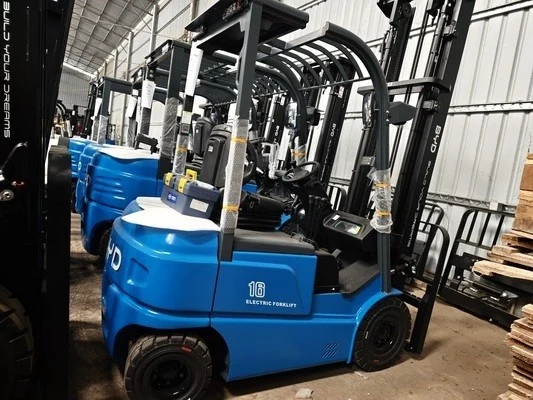
Battery weight contributes to the counterbalance of a four-wheel counterbalance electric forklift. A lighter pack can change the truck’s stability envelope, so the battery must be specified as part of the truck configuration rather than treated as an interchangeable accessory. Confirm the residual capacity, load center, and mast rating with the truck supplier before assuming a pack change leaves performance unchanged.
Comparison Across Shared Decision Dimensions
The table below compares the two options on dimensions that matter during specification. It describes general tendencies, not measured results.
| Dimension | Lead-acid | Lithium-ion |
|---|---|---|
| Upfront cost pattern | Often lower pack cost; may need spare batteries and a charging room | Often higher pack cost; fewer spares may be needed |
| Charging routine | Full charge plus cooling; planned change-outs | Short, frequent top-ups possible; charger matching is critical |
| Routine maintenance | Watering and terminal care | Less fluid maintenance; monitoring and charger discipline still required |
| Infrastructure | Ventilated charging area and battery handling equipment | Charging points where the truck parks; electrical capacity to check |
| Shift flexibility | Tied to charge and cooling windows | Fits break-time charging if the duty cycle allows |
Cost comparisons should be built from local quotes covering the pack, charger, electrical work, battery handling, and any spare pack. Without those figures, no savings claim is reliable.
Matching a Battery Option to a 2 Ton Electric Forklift Duty Cycle
A 2 ton electric forklift is a common capacity class in warehousing and light manufacturing, but the battery decision depends on hours of use, load weight, lift height, and travel distance. Use these steps to narrow the choice.
- Map the working day: record shift length, number of lifts, average load, and any peak periods. A truck that works continuously has different charging needs from one used in bursts.
- Check the charging window: identify when the truck can be parked at a charger, including breaks and shift changes. If no window exists, a spare pack or a different chemistry may be needed.
- Review the site: confirm ventilation, electrical capacity, floor space, and any rules covering battery charging and handling.
- Confirm the truck configuration: ask the supplier to state the battery type, voltage, capacity, and charger as part of the quoted configuration, along with the resulting truck weight and stability information.
- Plan the end of life: ask how each option is serviced, replaced, and recycled under local rules before committing.
As a hypothetical example, a warehouse running two shifts with a truck that returns to a charging bay during each break might evaluate lithium-ion opportunity charging, while a single-shift operation with a dedicated battery room might compare lead-acid with a spare pack. These are illustrations of the decision process, not recommendations or measured outcomes.
Frequently Asked Questions
Can a lithium-ion pack be added to an existing lead-acid truck?
Sometimes, but it is a configuration change rather than a simple swap. Weight, voltage, charger compatibility, and stability must be confirmed with the truck manufacturer or supplier. Do not assume an aftermarket pack preserves the original ratings.
Does lithium-ion always cost less over the life of the truck?
No universal answer exists. The result depends on local prices, charging infrastructure, maintenance labor, duty cycle, and replacement timing. Build a comparison from actual quotes and your own operating hours.
Which option suits cold storage or hot environments?
Temperature affects charging and usable capacity for both chemistries. Ask the battery and truck supplier to confirm the permitted operating and charging temperature range against your site conditions; do not rely on general claims.
How do I know which battery suits my operation?
Provide the supplier with shift patterns, load weight, lift height, travel distance, charging location, and electrical capacity. A four-wheel counterbalance electric forklift configuration can then be quoted with a battery and charger matched to those conditions. If you are evaluating a 2 ton electric forklift, ask for the battery specification and charging requirements in writing so the comparison is based on documented data.