Proactive Maintenance Strategies Extending Service Lifespan of Factory Electric Forklifts
News 10/10/2026
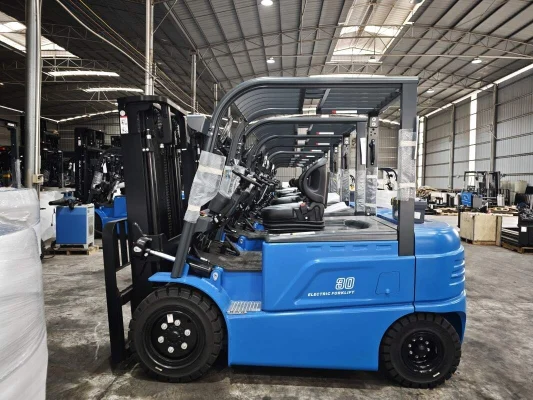
Factory electric forklifts are critical material handling assets in most manufacturing operations. Unplanned downtime from unexpected breakdowns cuts production output and raises operational costs. Proactive maintenance focuses on early issue detection and consistent care, rather than waiting for failures to occur before making repairs. This approach directly reduces overall wear and adds years of usable service life to your fleet.
Core Principles Of Proactive Maintenance
Proactive maintenance differs from both reactive repair work and routine time-based scheduled maintenance. It combines regular inspections with real-time condition monitoring to catch small issues before they escalate into major damage. This approach aligns with varying usage intensity different factory forklifts experience, so you do not waste time over-maintaining low-use units or miss critical checks on high-demand units.
Key Proactive Maintenance Strategies Extending Electric Forklift Lifespan
Battery System Care And Regular Inspections
The battery system represents the most expensive replacement component on any electric forklift, and poor care is the leading cause of early service life end. Lead-acid batteries require regular checks of internal fluid levels, and terminal cleaning to remove corrosion buildup that blocks power flow. Avoid deep discharges below 20% capacity to prevent permanent cell damage, and follow manufacturer charging protocols to avoid overheating. Lithium-ion batteries require different care: check cooling system function regularly and avoid charging at extreme temperatures outside manufacturer recommended ranges. One key limit: cold environment operation reduces battery capacity, so adjust charging and inspection frequency accordingly units working in cold storage areas.
Tire And Brake System Inspections
Factory floors often have debris, uneven surfaces, and spilled materials that accelerate tire and brake wear. Check solid tires weekly for cracks, tears, or chunking that can lead to sudden tire failure. Pneumatic tires require regular pressure checks to maintain proper load capacity and reduce rolling resistance. Inspect brake pads monthly for wear, test braking response, and adjust alignment as needed to prevent uneven wear on steering components. Worn tires and brakes increase energy use and add unnecessary stress to drive systems, shortening overall service life.
Hydraulic System And Mast Component Checks
Regular checks of hydraulic fluid levels and leak detection prevent low fluid that causes pump damage and premature wear. Inspect lift chains, forks, and mast rails for bending, cracks, or excessive wear every month. Lubricate all moving pivot points and chain links to reduce friction, which cuts wear on all interconnected components. Even small cracks in fork blades can lead to catastrophic failure under heavy load, so early detection prevents both equipment damage and safety hazards.
Onboard Diagnostics And Electrical Connection Scans
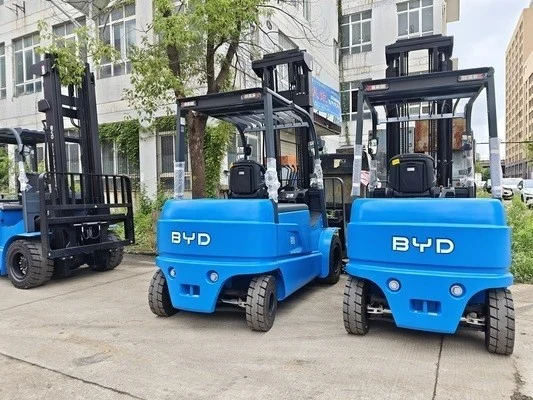
Modern factory electric forklifts include onboard diagnostic systems that generate fault codes long before visible performance issues appear. Run full system scans monthly to catch hidden issues such as loose wiring connections, sensor drift, or software errors that can cause unexpected shutdowns. Clean all electrical connection points annually to prevent corrosion that disrupts power flow to key components.
Application Guidance And Limitations
High-volume manufacturing facilities running multiple daily shifts require weekly basic inspections and full maintenance service every 200 service hours. Low-usage facilities with only one or two forklifts used fewer than 10 hours weekly only need monthly basic inspections and annual full service. Proactive maintenance requires dedicated staff time or contracted service partnerships. It does not fit very small operations with extremely low monthly usage, where reactive maintenance delivers lower short-term costs.
When building your maintenance schedule, always align checks with manufacturer guidelines. Heavier than rated load operation accelerates wear, so increase inspection frequency your team regularly carries loads near the forklift maximum rated capacity.
Frequently Asked Questions
How often should I complete maintenance checks on my factory electric forklift?
Check frequency depends entirely on how often you use the unit. Units operating multiple daily shifts need weekly basic inspections, with full major maintenance scheduled every 200 service hours. Low-usage units working fewer than 10 hours weekly work well with monthly basic inspections and annual major service.
Can consistent proactive maintenance actually extend my forklift service lifespan?
Yes. Early detection of small issues prevents minor damage from turning into major component failure that can end a forklift usable life early. Consistent care reduces overall cumulative wear on all moving, electrical and hydraulic systems. When followed correctly, this approach adds multiple years of usable service to the average unit.
What is the most common mistake factory teams make with electric forklift maintenance?
The top mistake is neglecting regular battery care. Many operations skip routine terminal cleaning and fluid level checks, which leads to premature battery failure. Replacing a forklift battery costs thousands of dollars, and early failure cuts overall service lifespan drastically.
Do I need certified technicians to complete proactive maintenance checks?
Basic weekly or monthly inspections can be completed by trained in-house staff. Major maintenance work, including electrical system repairs, battery replacement, and hydraulic component overhauls requires certified technicians to ensure worker safety and compliance with manufacturer requirements.
Actionable Next Steps
Start implementing proactive maintenance by mapping all your factory electric forklift fleet, documenting each unit’s weekly usage hours. Create a scheduled inspection calendar aligned with usage intensity, and train all operators to report unusual noises, reduced performance, or visible damage immediately. Consistent small investments in proactive care deliver long-term value through extended service lifespan and reduced unplanned downtime.