How Proper Tire Selection Optimizes Factory Electric Forklift Operations Across Diverse Industrial Facility Surfaces
News 14/10/2026
Core Impacts Of Tire Selection On Factory Electric Forklift Performance
Different factory facilities have vastly different floor surfaces, ranging from smooth polished concrete in assembly areas to rough unfinished concrete or gravel in outdoor storage yards. Tire selection directly interacts with these surfaces to shape three critical performance areas on electric forklifts.
First, rolling resistance directly impacts battery life. Higher rolling resistance forces the forklift motor to draw more power, reducing run time between charges and increasing charging costs. This effect matters more on electric models than internal combustion options, as battery capacity limits total daily operation.
Second, traction controls safety and load stability. Low traction on wet or rough surfaces increases slip risk during acceleration and braking, which can lead to load spills, workplace accidents, and equipment damage.
Third, correct tire selection reduces unexpected maintenance and replacement costs. Mismatched tires wear out far faster than correctly matched options, leading to unplanned downtime that disrupts production schedules.
Common Tire Types Matching Different Industrial Facility Surfaces
Solid Cushion Tires
Solid cushion tires fit best on smooth indoor concrete floors, the most common surface in most production and warehouse spaces. These tires offer high load capacity, low rolling resistance, and puncture resistance, making them ideal for frequent stop-and-go operation typical of most factory electric forklift use. They require very little routine maintenance beyond monthly inspections.
Key limitations include poor performance on rough surfaces or areas with loose debris. Small shavings or metal scraps can cut the tire surface faster than on tougher designs, and they offer very little shock absorption for uneven ground. They work best on low-speed, high-capacity electric forklifts that operate exclusively indoors.
Pneumatic Tires
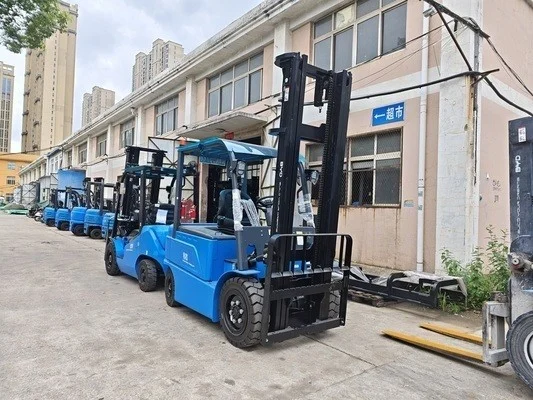
Pneumatic tires, both standard inflated and solid pneumatic variants, work best on rough outdoor or semi-outdoor surfaces. Common use cases include unprocessed concrete yards, gravel storage areas, and factory floors with high levels of loose debris. The thick, treaded design offers strong traction and excellent shock absorption, reducing operator fatigue on uneven ground.
Main limitations include higher rolling resistance, which reduces battery run time on electric models. Inflated variants carry a high risk of punctures that require emergency repairs, while solid pneumatic options cost significantly more upfront than cushion tires.
Polyurethane Press-On Tires
These tires are engineered for high-capacity electric forklifts operating in indoor facilities. They offer better traction than standard cushion tires, higher wear resistance against small debris, and still maintain low rolling resistance that preserves battery life. They are a popular middle ground for facilities with mixed smooth and slightly rough indoor surfaces.
The main limitation is higher upfront cost compared to standard cushion tires, and they still do not perform well on rough outdoor surfaces.
Non-Marking Tires
Non-marking tires are developed to serve facilities with strict clean floor requirements, such as food processing plants, pharmaceutical production areas, and electronics assembly facilities. They use specialized rubber compounds that do not leave black scuff marks on finished concrete or epoxy floor surfaces.
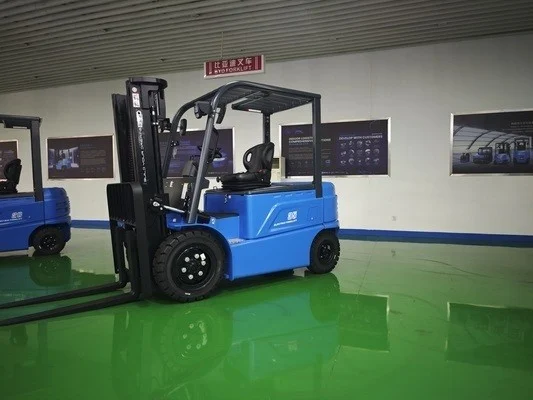
Key limitations include slightly lower wear resistance compared to standard carbon black rubber tires, leading to faster replacement cycles in high-traffic operations. They are available in most common tire constructions, including cushion and pneumatic variants.
Key Selection Criteria Your Operation Should Consider
Start your selection process by answering a few core questions about your operation to narrow your options:
- Primary operating surface: Document where your forklift operates 80% or more of its working time. Prioritize tire types engineered to fit that specific surface to maximize service life.
- Maximum load capacity: Match your tire load rating to your forklift’s maximum rated lifting capacity. Under-rated tires wear faster and create safety risks when handling heavy loads.
- Battery life requirements: In multi-shift operations that rely on long run times between charges, prioritize low rolling resistance tire designs to extend battery performance.
- Special facility requirements: Account for rules related to clean floors, outdoor access, and debris exposure when making your final choice.
- Total cost of ownership: Compare upfront purchase cost against expected service life and maintenance needs. Cheaper mismatched tires often cost more over the tire life cycle due to frequent replacement.
One common mistake many operations make is choosing a tire based on upfront cost alone, without accounting for accelerated wear and downtime that comes with a mismatched selection.
Final Actionable Recommendations
Proper tire selection delivers measurable improvements to efficiency, safety, and total cost of ownership across factory electric forklift operations. To apply this guide to your facility:
- Map all operating areas your electric forklift uses regularly, noting surface type and any special requirements.
- Narrow tire options based on your primary operating surface and maximum load requirements.
- Compare total ownership cost, not just upfront price, when selecting between competing options.
- Schedule quarterly tire inspections to check for wear, damage, and proper performance, replacing tires before excessive wear creates safety risks.
Small investments into correctly matched tires pay off through longer battery run times, fewer unplanned repairs, and safer working conditions across your facility.
Frequently Asked Questions
How often should I replace electric forklift tires in factory settings?
Replacement frequency depends on tire type, operating surface, and daily use. Most solid cushion tires last 1,000 to 2,000 operating hours on smooth indoor floors, while pneumatic tires on rough surfaces may need replacement every 800 to 1,500 hours. Inspect tires monthly for cuts, tears, worn tread, or low pressure to avoid avoidable safety issues.
Can I mix different tire types on one electric forklift?
Mixing tire types is not recommended. Different tires have different diameters, load ratings, and traction properties. Mixing creates uneven weight distribution, reduces steering stability, and increases wear on both the tires and the forklift drive train. Always replace all four tires, or matched drive and steer sets, with models aligned to your operation needs.
Are non-marking tires less durable than standard black tires?
Non-marking tires use different rubber compounds without carbon black, the additive that gives standard tires high wear resistance. Many modern non-marking compounds narrow this performance gap, but most still see slightly faster wear in high-traffic operations. Factor this higher replacement frequency into your cost calculations when choosing tires meeting clean facility requirements.