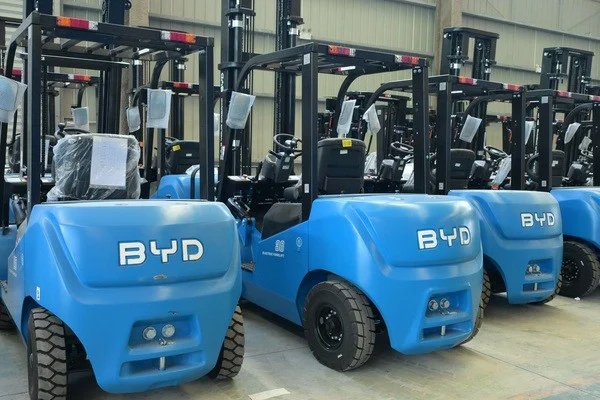
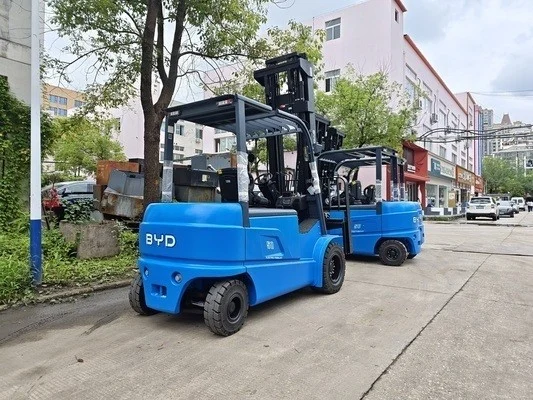
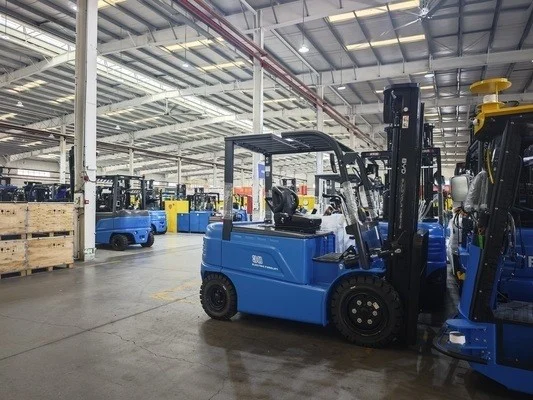
Matching Site Electrical Infrastructure To 5 Ton Electric Forklift Continuous Operation Requirements
News 18/10/2026
When you run a 5 ton electric forklift through extended work shifts, mismatched electrical infrastructure causes consistent problems: voltage drops, tripped breakers, premature battery degradation and unplanned work stops. Most facilities focus on battery size and lift capacity of the unit itself, but overlook site side power requirements that enable continuous operation.
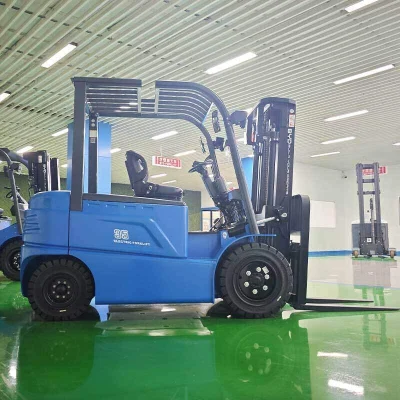
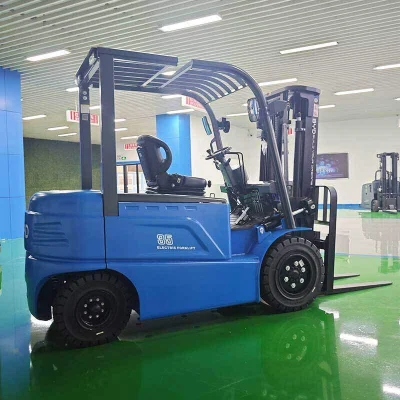
A 5 ton electric forklift typically draws higher peak current than smaller units during lifting and acceleration. Continuous operation, meaning multiple back-to-back shifts with opportunity charging or fast charging between runs, adds sustained load to your site electrical network. Understanding the difference between peak and sustained load helps you correctly assess your infrastructure needs.
Peak load occurs when the forklift lifts a full 5 ton capacity from ground level to maximum lift height. This momentary draw can be 2-3 times higher than the baseline draw during idle or travel. Sustained load comes from frequent charging cycles when multiple units operate at the same time within the same electrical zone. Both types of load must be accounted for when assessing your site’s ability to support continuous operation.
Core Power Draw Characteristics of 5 Ton Electric Forklift
Step-by-Step Site Infrastructure Assessment
Map Total Connected Load Within Your Electrical Zone
First, list all electrical devices connected to the same circuit or panel that serves your forklift charging and operation area. Add the maximum continuous draw of all devices, including your 5 ton electric forklift and its charger, to get total expected load. Compare this total to your panel’s rated capacity. If your total load exceeds 80% of the panel rating, you risk frequent tripping under sustained use.
Verify Input Voltage Tolerance Levels
Most 5 ton electric forklift battery chargers require input voltage within a 5% tolerance range of the rated value. Voltage drops happen when too many devices draw power from the same circuit during peak facility operation. Low input voltage forces chargers to work harder, extends charging time and can damage battery cells over extended use. Use a multimeter to test voltage at the charging outlet during your facility’s busiest shift to confirm it stays within the manufacturer’s stated range.
Confirm Wiring and Breaker Sizing
Wiring gauge must match the maximum current draw of your forklift charger. Undersized wiring overheats during continuous charging, creating a fire risk and causing additional voltage drops. Breakers must be sized to handle momentary peak draw without tripping, but still provide overcurrent protection. Check local electrical codes to confirm your wiring and breaker sizing align with requirements of your charger and forklift combination.
Common Adjustments To Support Continuous Operation
If your assessment reveals gaps between your current infrastructure and operational needs, several adjustments can bring your site into alignment. The right option depends on your current setup, number of forklifts and future expansion plans:
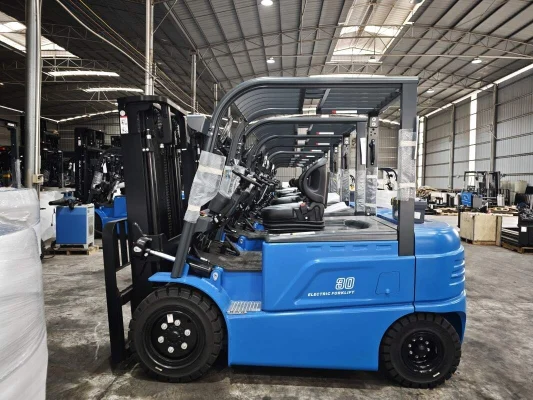
- Upgrade panel capacity: Adding a new dedicated panel just serving your forklift charging bank eliminates shared load issues, and leaves room supporting future addition of more electric material handling units.
- Dedicated circuit routing: Run separate dedicated circuits from your panel to each charging station, so one unit’s peak draw does not impact voltage delivered to other operating units.
- Install voltage regulators: If your site experiences consistent voltage fluctuations from the main utility feed, voltage regulators stabilize input power to protect chargers and batteries from damage.
- Stagger charging schedules: If you cannot complete infrastructure upgrades immediately, spread charging times across off-peak periods to reduce total simultaneous load on your electrical network.
Each approach carries different upfront costs and implementation timelines. Dedicated infrastructure upgrades offer long term reliability that supports consistent continuous operation. Staggered charging works as a temporary solution while you plan capital improvements, but it reduces operational flexibility.
Frequently Asked Questions
Can I run a 5 ton electric forklift on standard residential electrical service?
Most standard counterbalance 5 ton electric forklift require three phase industrial electrical service, which delivers consistent higher power levels needed to support continuous operation. Smaller specialty 5 ton units may work with single phase service, but most full size models intended for daily heavy use need industrial grade electrical connections.
How does opportunity charging change site electrical requirements?
Opportunity charging means topping up battery power during short work breaks instead of swapping batteries at the end of a shift. This adds more frequent, sustained load to your electrical system throughout the entire work day, instead of a single large charge after a shift ends. This means your infrastructure must handle continuous low to medium load instead of periodic high load events.
What issues come from ignoring mismatched electrical infrastructure?
Common outcomes include unplanned downtime from tripped breakers, shortened battery service life from inconsistent charging, increased risk of overheated wiring or electrical fires, and reduced forklift performance during peak operation. Over time, these issues add up to higher operating costs than the upfront cost of correcting infrastructure gaps.
Before finalizing your 5 ton electric forklift purchase or installation, complete your infrastructure assessment early in the planning process. This helps you identify upgrade needs before they impact daily operations, and lets you include upgrade costs in your total project budget.