How Warehouse Layout and Load Type Influence electric forklift Specification and Operational Performance
News 04/10/2026
Choosing the right electric forklift requires more than comparing price tags or brand reputations. Two core factors directly impact long-term performance, safety, and total cost of ownership: your warehouse layout and the types of loads you move regularly. Mismatched specifications to these factors lead to increased downtime, higher operating costs, and unnecessary safety risks. This guide breaks down key connections between these factors and electric forklift performance to help you make informed choices.
Core Connections Between Warehouse Layout and Electric Forklift Specs
Every warehouse has unique layout characteristics that dictate which electric forklift specifications work best. Below we break down the most impactful layout features and their corresponding spec requirements.
Aisle Width
Aisle width ranks among the most impactful layout factors when selecting an electric forklift. Standard bulk storage warehouses typically feature wide aisles, which accommodate standard counterbalance electric forklifts with larger turning radii. Narrow aisle storage systems, common in high-density facilities, require units with reduced turning diameters or specialized reach designs.
Mismatched turning radius and aisle width causes frequent collisions with racking, slower load transfer speeds, and increased operator fatigue. Facilities with very narrow aisles (under 8 feet across) often need very narrow aisle (VNA) turret trucks designed specifically to operate in these high-density spaces.
Maximum Lift Height
Your facility’s ceiling height and racking configuration directly determine the required maximum lift height your electric forklift needs. If your racks extend 25 feet high, a forklift with a 15 foot maximum lift cannot access top storage tiers. Conversely, a forklift with an excessively high lift adds unnecessary upfront cost, increases overall unit weight, and reduces maneuverability in facilities with low ceilings.
Floor Condition and Load Rating
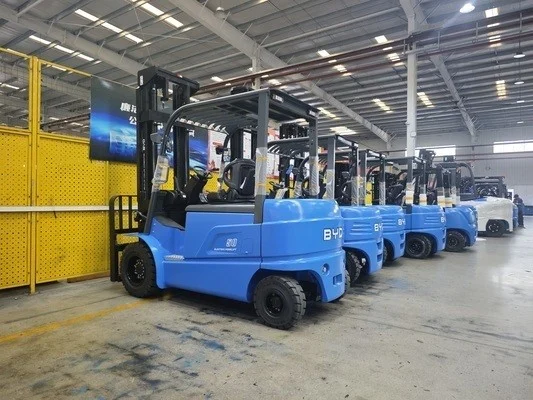
Electric forklift total weight includes the heavy battery pack needed to power the unit. Weak or aged warehouse floors often have strict weight limits that exclude larger, heavier high-capacity electric forklifts. Uneven or poorly maintained floors also require stable forklift designs to avoid tipping risks and excessive tire wear.
How Load Type Shapes Electric Forklift Performance and Spec Choices
Beyond layout, the characteristics of loads your operation moves daily shape every key specification selection.
Load Weight and Size
Every electric forklift has a rated maximum load capacity, tied to its mast strength, motor output, and counterbalance design. Consistently moving loads exceeding this rating causes premature wear to motor components, reduces battery life, and creates serious safety hazards. Odd-sized or extra-long loads require longer forks or specialized attachments, which change the forklift’s effective load capacity, so you must adjust your spec selection to account for added attachment weight.
Usage Intensity
Operations running multiple shifts daily need higher capacity batteries or fast opportunity charging capability. Single shift operations with intermittent use can work with standard, lower-cost batteries that charge overnight. High-intensity operations also require more robust cooling systems for motor and battery components to avoid overheating during extended use.
Special Load Requirements
Loads stored in cold storage environments need cold-temperature rated battery and electrical systems, because standard batteries lose capacity quickly in sub-zero temperatures. Loads classified as hazardous require explosion-proof electrical components to prevent ignition risks.
Hypothetical Application Scenarios
To illustrate these connections, we share two common hypothetical scenarios that demonstrate proper spec matching:
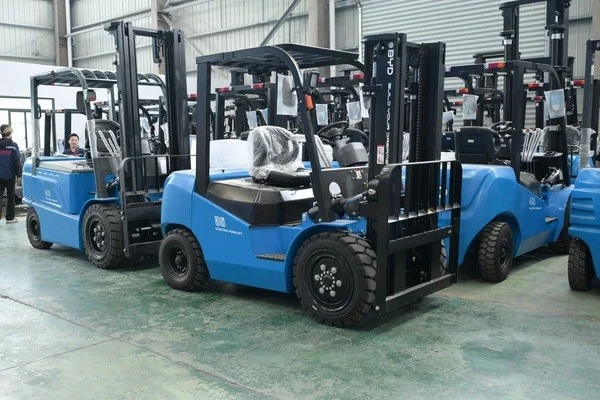
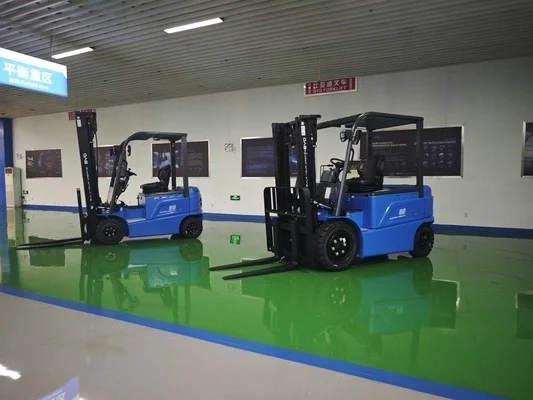
- Small local retail distribution center: This facility features 12 foot wide aisles, 10 foot maximum rack height, and moves standard 2,000 lb pallets one shift daily. The correct spec matches a standard counterbalance electric forklift with 3,000 lb rated capacity and 12 foot maximum lift. This unit fits the aisles, meets load requirements, and keeps upfront costs low.
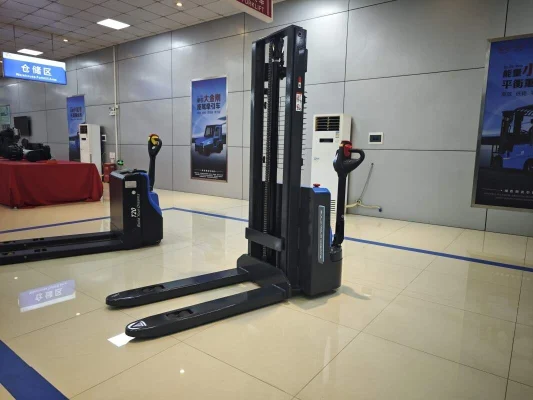
- High-density e-commerce fulfillment center: This facility features 8 foot narrow aisles, 25 foot maximum rack height, moves 1,500 lb pallets across two shifts daily. The correct spec matches a stand-up reach electric forklift with 2,000 lb rated capacity, 30 foot maximum lift, and a high-capacity battery with opportunity charging support. This unit fits the narrow aisles, reaches top rack tiers, and supports multi-shift operation without interruption.
Common Selection Mistakes To Avoid
- Prioritizing initial cost over proper matching: Choosing a cheaper standard forklift in a narrow aisle facility leads to far higher long-term costs from collisions, downtime, and accelerated wear.
- Over-specifying capacity or lift height: Purchasing a 10,000 lb capacity forklift when your maximum load weighs 3,000 lb adds unnecessary upfront cost, increases energy use, and reduces maneuverability.
- Ignoring future expansion plans: If you plan to add higher-density racking or shift to heavier product lines within the next five years, account for these changes in your initial spec selection to avoid premature replacement.
Frequently Asked Questions
Can I use a standard electric counterbalance forklift in narrow aisles?
Most standard counterbalance electric forklifts require 10-14 foot wide aisles to operate safely and efficiently. If your aisles measure less than 10 feet across, attempting to use a standard unit increases collision risk, slows operations, and raises wear on your forklift and facility infrastructure. Specialized narrow aisle models fit these spaces far better.
How does load weight impact electric forklift battery life?
Heavier consistent loads force the forklift motor and hydraulic system work harder, drawing more power from the battery per shift. This reduces total run time between charges, and can shorten overall battery lifespan if the unit operates beyond its rated capacity regularly. Operations moving heavy loads consistently should select higher capacity batteries matched to the load rating.
Does warehouse layout impact electric forklift energy use?
Yes. Layouts with long travel distances between receiving and storage areas require more energy per shift than compact layouts. Layouts with frequent sharp turns or ramps also increase energy draw. These factors mean operations with longer travel distances benefit from larger capacity batteries to avoid mid-shift charging interruptions.
Do irregular loads require different electric forklift specifications?
Yes. Long, oversized, or unevenly weighted loads require adjustments to fork length, mast capacity, and sometimes specialized attachments like side shifters or rotators. These additions change the overall effective capacity of the forklift, so you must account for attachment weight when calculating your required total load rating.
Conclusion
When selecting an electric forklift, always map your facility layout measurements and typical load characteristics first before reviewing spec sheets. Confirm turning radius, lift height, load capacity, and battery capacity align with your specific conditions to avoid unnecessary costs, performance issues, and safety risks. This intentional approach ensures your electric forklift delivers reliable, efficient operation aligned with your operational goals.