Structured Preventive Maintenance Schedules Extend Industrial Forklift Service Life And Reduce Unexpected Downtime
News 13/10/2026
Unplanned downtime costs warehouse and industrial operations thousands in lost productivity and emergency repair costs. Industrial forklifts represent a critical material handling investment, and consistent structured maintenance directly impacts how long equipment remains functional and reliable. This guide outlines actionable elements of effective schedules, highlights common pitfalls, and answers top questions teams face.
Core Components of an Effective Structured Preventive Maintenance Schedule
Structured schedules break maintenance into tiered checks aligned with usage, so teams catch small issues before they escalate into major failures. Each tier targets different components that wear at different rates.
Daily Pre-Operation Inspections
Operator-led pre-shift checks take 5 to 10 minutes to complete, and focus on safety-critical components. Checks include brake function test, tire pressure and tread inspection, hydraulic fluid level check, fork bend or crack inspection, and lighting test. Operators log results digitally or on paper, so maintenance teams address issues before the forklift enters service.
Weekly and Monthly Tiered Checks
Weekly checks add deeper inspection of moving parts, including chain tension, mast function, and steering alignment. Monthly checks expand to include battery health (for electric models — wait no, correct that: Monthly checks expand to include battery health (electric models), fuel system connections (internal combustion models), and fastener torque across key frame components.
Quarterly and Annual Full Audits
Quarterly audits include load test checks for lifting capacity — no, correct: Quarterly audits include load test checks of lifting capacity and brake system full inspection. Annual audits cover full system diagnostics, replacement of worn wearable components (such as filters and belts) before they fail, and alignment with manufacturer service requirements.
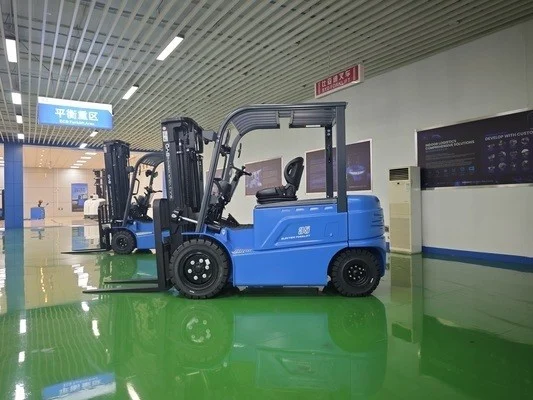
A hypothetical mid-sized warehouse operating four industrial forklifts 8 hours daily, this tiered structure spreads maintenance work across existing staff, eliminates large blocks of unplanned downtime, and keeps service costs predictable.
Key Limitations and Common Implementation Mistakes
Structured preventive maintenance delivers clear benefits, but several factors limit effectiveness if teams implement schedules incorrectly.
First, generic one-size-fits-all schedules do not work across all operating environments. Industrial forklifts working in cold storage need more frequent battery and hydraulic fluid checks, because cold temperatures change fluid viscosity and reduce battery capacity. Forklifts working in dusty outdoor yards need more frequent air filter changes and chassis cleaning to prevent dust buildup on moving components. Your team must adjust generic schedules to match your operation’s unique working conditions.
The most common mistake teams make skips consistent logging and follow-up. Operators complete checks but do not report small issues, such as minor brake softness, because they want avoid delaying work. This small issue can turn into a total brake failure and unexpected downtime within weeks. Another common mistake over-schedules maintenance, which wastes labor and ties up equipment unnecessarily. Over-scheduling often happens when teams use manufacturer schedules designed for extreme use — no, correct: Over-scheduling often happens when teams use manufacturer schedules built around extreme use, but their own operation uses equipment far less frequently.
Structured maintenance also requires team buy-in. If frontline operators and maintenance staff do not understand how regular checks reduce their overall workload long term, they will skip steps or rush through inspections. This erodes almost all benefits the schedule should deliver.
Frequently Asked Questions
How often should your industrial forklift complete structured maintenance?
Answer depends on daily usage intensity. Operations that use equipment under 4 hours daily can complete full checks once each month. Operations that use equipment 4 to 8 hours daily need partial checks weekly and full checks every two weeks. Extreme daily usage (over 8 hours) requires partial checks every shift. Always follow original manufacturer guidelines to match your equipment model.
Can small operations implement structured preventive maintenance without extra staff?
Yes. Small operations can assign pre-operation checks to the daily operator, and schedule monthly full checks during off-shift hours. Focus checks on high-risk safety and failure components first, rather than adding unnecessary steps that consume extra time. This approach keeps costs low while delivering most benefits.
Does structured preventive maintenance eliminate all unexpected downtime?
No. Schedules significantly reduce risk of unplanned stops, but unexpected failure can still occur from accidental damage, unforeseen manufacturer defects, or extreme operating stress. The main goal reduces overall frequency of unplanned downtime and extends overall service life, it does not guarantee zero stops.
Consistent structured preventive maintenance schedules help teams get more years of service from each industrial forklift, while keeping unexpected downtime low. Tiered checks aligned with your operation’s specific usage and environment deliver the greatest value, and avoiding common implementation mistakes keeps efforts efficient and cost effective.